
Breast cancer affects millions of women worldwide, and many feel a wave of worry when they notice something unusual in their breasts. The fear is real — changes can appear suddenly, leaving you wondering if it’s nothing serious or something that needs attention right away. These subtle shifts often go unnoticed because they’re easy to dismiss as normal hormonal fluctuations or minor irritations. But here’s the encouraging part: becoming familiar with your breasts and spotting potential warning signs early can make a significant difference in how quickly you seek professional advice.
In this article, we’ll walk through 10 common early warning signs of breast cancer that deserve your attention. But that’s not all — stick around until the end for practical steps you can take today to stay proactive about your breast health.
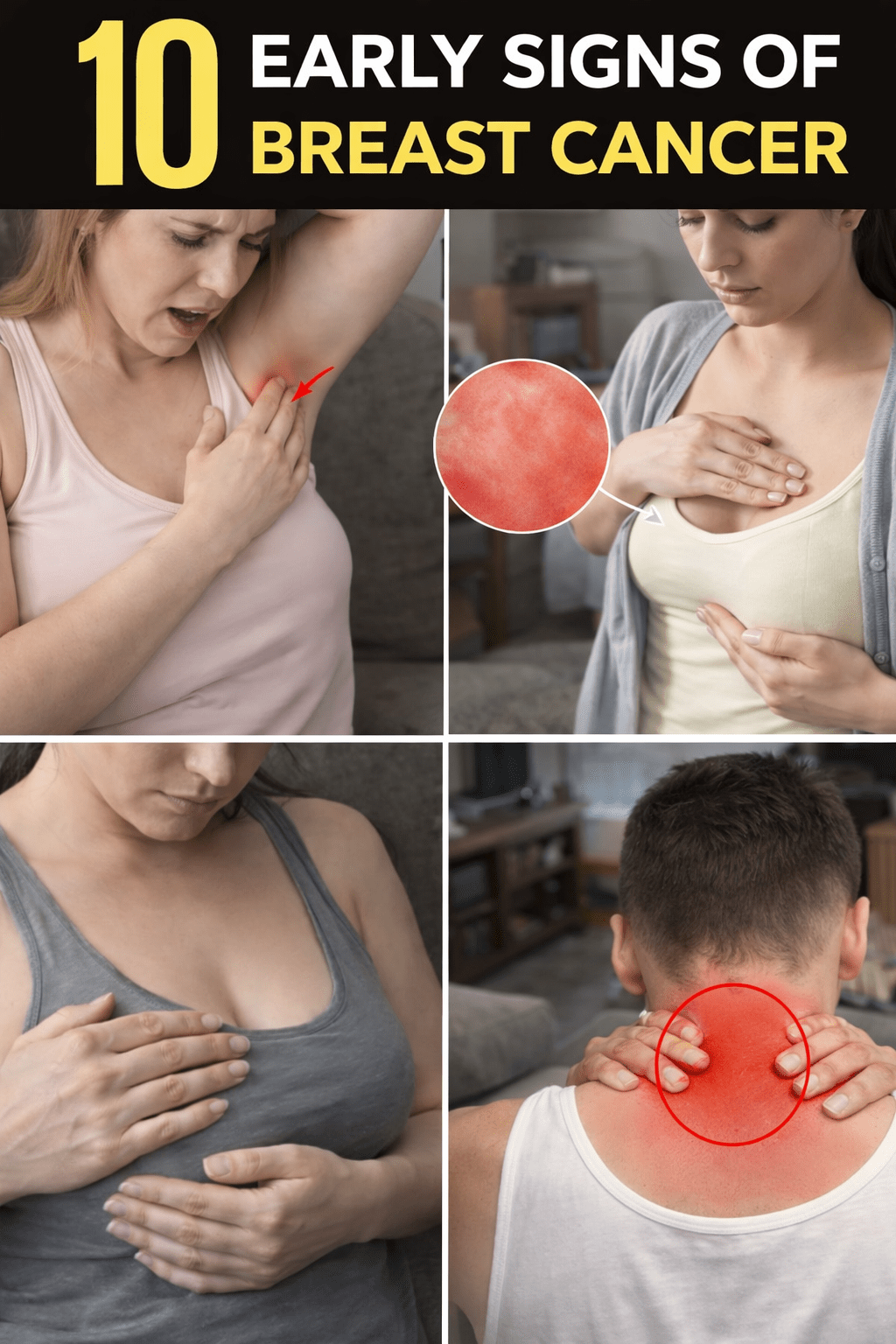
Why Knowing Your Breasts Matters More Than Ever
Research from organizations like the American Cancer Society shows that many breast cancers are found through screening before symptoms even appear. However, when changes do occur, recognizing them promptly allows you to consult a healthcare professional sooner.
Many of these signs can stem from benign conditions, such as cysts, infections, or hormonal changes. That’s why self-awareness combined with regular check-ups is key. Studies emphasize that understanding your normal breast feel and appearance helps you identify what’s new or different.
1. A New Lump or Mass in the Breast or Underarm
The most recognized sign is a new lump or thickened area that feels different from the rest of the breast tissue. It might feel hard, painless, and have irregular edges, though some can be soft or tender.
But don’t stop there — even small changes matter. A lump in the underarm (lymph node area) can also signal something worth checking.
Quick Tip: Perform a monthly self-exam in the shower or lying down to get familiar with your breast texture.
2. Swelling in All or Part of the Breast
You might notice unexplained swelling or enlargement in one breast, even without a clear lump. This can make one side feel heavier or fuller than usual.
This change happens because of fluid buildup or tissue changes. If it persists beyond your menstrual cycle, it’s worth discussing with your doctor.
3. Skin Dimpling or Puckering
Dimpling that resembles the texture of an orange peel (often called peau d’orange) occurs when tissue pulls inward. Raise your arms overhead in front of a mirror — this makes subtle dimples easier to spot.
This visual change is one of the more noticeable signs and shouldn’t be ignored.
Here are some everyday ways to check your breast skin:
- Look in natural light with your arms at your sides
- Raise arms above your head to see if skin moves evenly
- Gently press to check for fixed dimples
4. Changes in Breast Size or Shape
Sudden asymmetry, where one breast changes size or shape without explanation, can be a red flag. Breasts are rarely perfectly symmetrical, but recent or noticeable shifts deserve attention.
Hormonal shifts can cause temporary changes, but persistent ones should be evaluated.
5. Breast or Nipple Pain
While pain isn’t common in early breast cancer, persistent discomfort, tenderness, or burning in the breast or nipple area can sometimes occur. This is more typical in certain types like inflammatory breast cancer.
If pain doesn’t follow your usual cycle patterns and lingers, talk to your healthcare provider.
6. Nipple Retraction or Inversion
A nipple that turns inward (retraction) or flattens, especially if it’s a new change, is something to note. This differs from nipples that have always been inverted.
Observe both sides for comparison.

7. Nipple Discharge (Other Than Breast Milk)
Any spontaneous discharge from the nipple — especially if clear, bloody, or occurring without squeezing — should prompt a visit to the doctor. Milky discharge outside of breastfeeding warrants checking too.
8. Redness, Scaliness, or Thickening of the Skin
Red, irritated, dry, flaking, or thickened skin on the breast or nipple can indicate inflammation. In darker skin tones, this might appear as darker patches or purple hues.
This can mimic a rash, but if it doesn’t improve with usual remedies, seek advice.
9. Swollen Lymph Nodes Under the Arm or Near the Collarbone
Feel for enlarged or tender nodes in the armpit or above the collarbone. These can appear before a breast lump is noticeable.
Swelling here sometimes points to changes spreading, even early on.
10. General Changes in Breast Appearance
Any persistent difference — from texture to color — that doesn’t resolve should be checked. Your body knows its baseline best.
But that’s not all — the real power comes from combining awareness with action.

Actionable Steps to Take Right Now for Breast Health
Follow these simple habits to stay ahead:
- Perform regular breast self-awareness checks — once a month, about 5-7 days after your period ends (or any consistent time if postmenopausal).
- Schedule regular screenings — Discuss mammogram recommendations with your doctor based on age, family history, and risk factors (many organizations suggest starting around age 40-45 for average risk).
- Know your risk factors — Family history, genetics, lifestyle — share these openly with your healthcare provider.
- Maintain a healthy lifestyle — Stay active, eat well-balanced meals, limit alcohol, and avoid smoking, as research links these to overall breast health.
Conclusion: Empowerment Starts with Awareness
Spotting early warning signs of breast cancer doesn’t mean something is wrong — it means you’re informed and proactive. Most changes turn out to be benign, but checking them gives peace of mind and, when needed, allows for timely professional evaluation.
Take that first step today: look in the mirror, feel your breasts, and commit to regular self-checks. Your future self will thank you.
Frequently Asked Questions (FAQ)
What should I do if I find a lump in my breast?
See a healthcare professional promptly for evaluation. Most lumps are not cancerous, but only a doctor can determine the cause through exams or imaging.
Can men get breast cancer too?
Yes, though rare — men can experience similar signs like lumps or nipple changes. Awareness matters for everyone.
How often should I get a mammogram?
Guidelines vary, but many experts recommend discussing annual or biennial mammograms starting at age 40-45 with your doctor, especially if you have higher risk.
Disclaimer: This article is for informational purposes only and is not a substitute for professional medical advice. Always consult a qualified healthcare provider if you notice any changes in your breasts or have concerns about your health. Early detection through screenings and awareness can be important, but only medical professionals can provide diagnosis and guidance.


