Breast cancer touches millions of lives worldwide, and many women worry about missing subtle changes in their bodies that could signal something serious. The fear of not noticing these signs early enough can keep you up at night, wondering if you’re doing enough to protect your health. Yet, understanding common changes can empower you to take proactive steps without unnecessary panic.
The good news? Early awareness often leads to better outcomes. In this article, you’ll discover 10 key warning signs backed by medical organizations, plus practical ways to stay on top of your breast health. And toward the end, I’ll share a simple habit that many women overlook—but it could make all the difference.

Why Paying Attention to Breast Changes Matters
Breast cancer is one of the most common cancers among women, but when noticed early, the chances of successful management improve significantly. Research from organizations like the American Cancer Society shows that regular awareness of your body plays a crucial role.
Many signs are subtle at first. They might seem like normal fluctuations due to hormones, age, or lifestyle. But ignoring them could delay important checkups.
Here’s the truth: Your body often gives gentle hints before things progress. Learning these hints doesn’t mean living in fear—it means taking control.
The 10 Warning Signs You Shouldn’t Ignore
Let’s break down the most common changes that experts recommend watching for. Remember, these aren’t always cancer, but they’re worth discussing with a healthcare provider.
1. A New Lump or Thickening in the Breast or Underarm
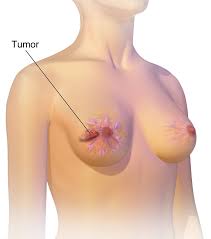
One of the most recognized signs is a painless lump or area that feels thicker than the surrounding tissue. It might feel like a marble or a thickened patch.
These can appear anywhere in the breast or even in the underarm area. Sometimes they’re movable, sometimes fixed.
But here’s what’s important: Not all lumps are concerning, as many are benign cysts or fibroadenomas. Still, any new lump deserves professional evaluation.
2. Changes in Breast Size or Shape
If one breast suddenly appears larger, smaller, or noticeably different in shape compared to the other, take note.
This change might happen gradually or seem sudden. It could be accompanied by a feeling of heaviness.
Hormonal shifts during menstrual cycles or menopause can cause temporary swelling, but persistent asymmetry is worth checking.
3. Skin Changes: Dimpling, Puckering, or Orange-Peel Texture
Look for skin that resembles the texture of an orange peel (known as peau d’orange). This happens when lymphatic fluid builds up.
Dimpling or indentations that look like small dents can also appear, sometimes described as resembling cellulite.
These changes occur because underlying tissue pulls on the skin. They’re more visible when raising your arms or leaning forward.
4. Nipple Changes or Discharge
A nipple that suddenly turns inward (inversion) when it was previously everted could be a signal.
Unexpected discharge, especially if it’s clear, bloody, or occurs without squeezing, should prompt a visit to your doctor.
Discharge can sometimes be milky in women who aren’t breastfeeding, but any new or unusual type needs attention.
5. Redness or Rash on the Breast or Nipple
Persistent redness, warmth, or a rash that doesn’t respond to typical skin treatments might indicate inflammation.
This is more common in inflammatory breast cancer, a rarer but aggressive type.
The affected area might feel tender or itchy. Unlike an infection, it often doesn’t improve with antibiotics.
6. Persistent Pain in One Spot
While breast cancer is often painless, some women experience ongoing ache or discomfort in a specific area.
This pain doesn’t usually fluctuate with the menstrual cycle like typical breast tenderness.
It’s different from the generalized soreness many feel before periods.
7. Swelling in the Armpit or Collarbone Area
Lymph nodes in the underarm or above the collarbone might swell even if no lump is felt in the breast itself.
This swelling can feel like small peas or larger nodes.
It’s the body’s way of responding to changes nearby.
8. Changes in Nipple Appearance or Sensation
Scaling, crusting, or ulceration around the nipple area (areola) can develop.
Some women notice increased sensitivity or, conversely, numbness.
These changes might start small but persist over weeks.
9. Visible Veins Becoming More Prominent
Suddenly prominent veins on one breast (but not the other) can sometimes occur.
This happens when blood flow patterns change due to underlying growth.
It’s not common, but when combined with other signs, it’s noteworthy.
10. Unexplained Breast Itchiness That Won’t Go Away
Persistent itching limited to one breast or nipple area, especially without a visible rash at first, deserves attention.
Many dismiss this as dry skin, but ongoing itch can sometimes signal deeper changes.
The key is duration—if it lasts more than a couple of weeks despite moisturizing, get it checked.
But that’s not all…
How to Perform a Simple Breast Self-Exam at Home
Knowing the signs is step one. Step two is regularly checking yourself. Here’s a straightforward monthly routine recommended by major health organizations:
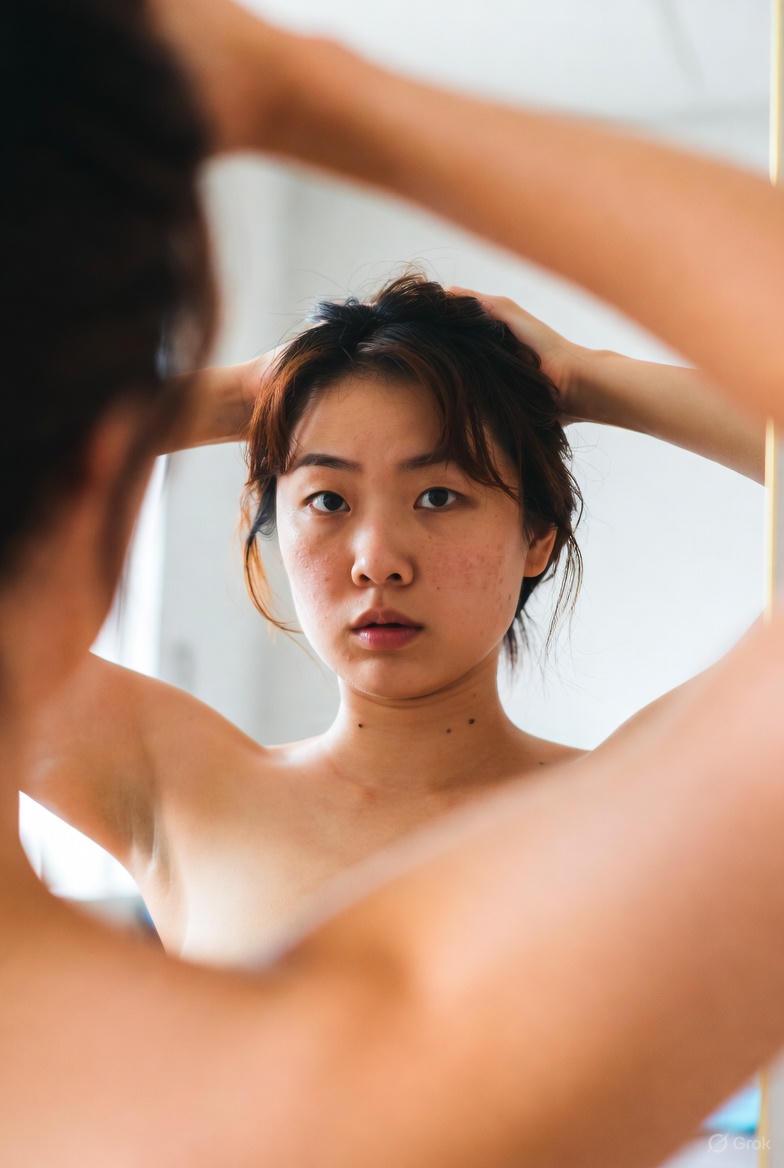
- Stand in front of a mirror with arms at sides, then raised, looking for visible changes in shape, skin, or nipples.
- Lie down and use the pads of your three middle fingers to feel in circular motions, covering the entire breast and armpit.
- Use different pressure levels—light, medium, and firm—to feel different tissue depths.
- Repeat while in the shower—soap makes it easier to feel changes.
- Do this 7–10 days after your period starts when breasts are least tender (or same day each month if postmenopausal).
This takes just 5–10 minutes but builds familiarity with what’s normal for you.
When to See a Healthcare Professional
Don’t wait for multiple signs. Any single persistent change lasting more than two weeks should prompt a call to your doctor.
Bring notes about when you noticed the change and any patterns.
Mammograms and clinical exams remain the gold standard for screening—self-exams complement, not replace, them.
The earlier changes are evaluated, the more options available.
The Simple Habit Many Women Overlook
Remember that open loop from earlier? Here’s the habit: Track your breast health in a simple journal or phone note each month.
Jot down your self-exam date, any observations, and even photos (privately) for comparison.
Studies suggest women who maintain consistent awareness routines feel more empowered and catch changes sooner.
It’s not about obsession—it’s about quiet confidence in knowing your body.
Final Thoughts
Being aware of these 10 warning signs—lumps, skin changes, nipple issues, and more—equips you to advocate for your health effectively.
Combine regular self-exams with recommended screenings based on your age and risk factors.
Your vigilance, paired with professional care, forms the strongest defense.
Frequently Asked Questions
At what age should I start being concerned about breast cancer signs?
Risk increases with age, but changes can occur at any time. Women in their 20s and 30s should still perform monthly self-exams and report anything unusual.
Can men get breast cancer too?
Yes, though much rarer. Men should also watch for lumps or nipple changes and seek evaluation promptly.
Do these signs always mean cancer?
No. Most breast changes turn out to be benign. However, only a healthcare professional can determine the cause through proper examination and tests.
Disclaimer: This article is for informational purposes only and is not a substitute for professional medical advice, diagnosis, or treatment. Always consult with a qualified healthcare provider about any changes in your breast health or concerns you may have. Early detection is important, but only a doctor can provide personalized guidance.