Breast cancer touches the lives of millions of women every year, often arriving quietly without any dramatic warning at first. Many women brush off small changes in their breasts, thinking they’re just normal hormonal shifts or everyday discomfort, only to discover later that those tiny signals could have been caught much sooner. The fear of the unknown keeps so many from checking regularly, yet the truth is simple: noticing your body’s quiet messages early can completely change your story. In this guide, I’m going to walk you through the 10 most common early signs that deserve your attention—plus practical steps you can start today. And at the very end, I’ll share one surprising daily habit that top oncologists now recommend to stay one step ahead.
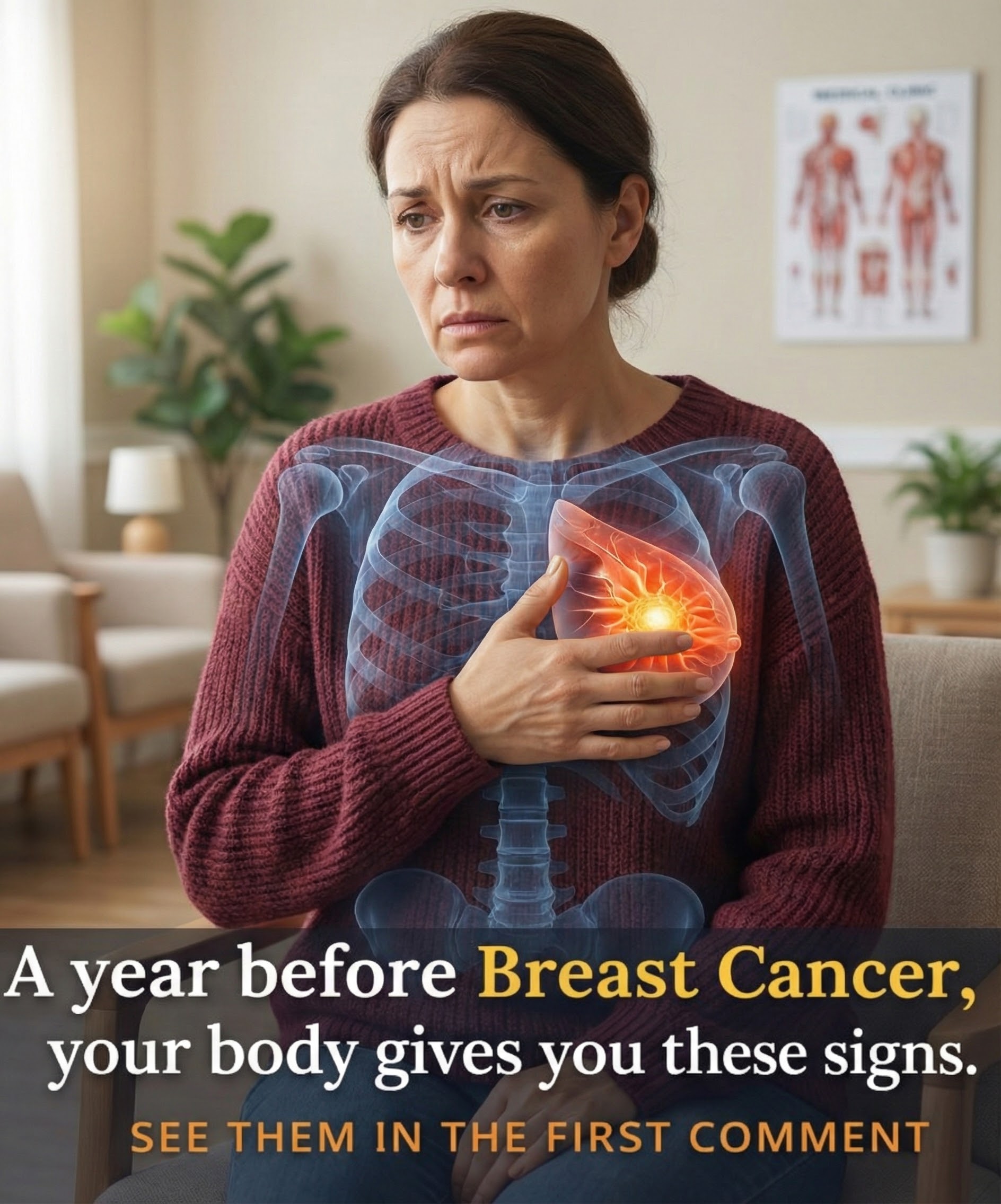
Why These Signs Matter More Than Ever
Breast cancer doesn’t always shout. Research from the American Cancer Society shows that when found early, the 5-year survival rate exceeds 99%. That’s why learning these signs isn’t about fear—it’s about power. You don’t need to be a doctor to spot them; you just need to know what to look for and act quickly.
1. A New Lump or Thickening in the Breast or Armpit
The most talked-about sign is also the most important.
Feel a hard, painless lump that wasn’t there before? Or even a subtle thickening that makes one area feel different?
Many lumps turn out to be benign, but every new one should be checked by a doctor.
Pro tip: Do your self-exam in the shower—warm water and soap make it easier to feel small changes.
2. Sudden Changes in Breast Size or Shape
Your breasts naturally change slightly with your cycle, but a sudden difference between the two sides is a red flag.
One breast may look higher, lower, swollen, or pulled inward.
This can happen because a tumor changes the tissue underneath.
Quick check: Stand in front of a mirror with arms raised—does anything look uneven?
3. Skin Changes That Look Like Orange Peel
Have you noticed your breast skin becoming dimpled, puckered, or thickened like the peel of an orange?
This texture (called peau d’orange) happens when cancer blocks tiny lymphatic channels.
It can appear anywhere on the breast and often comes with redness.
Don’t wait—skin changes like this need a professional look right away.
4. Persistent Pain in One Specific Spot
Breast cancer isn’t always painful, but ongoing pain or tenderness in one exact area that doesn’t go away with your cycle is worth noting.
Unlike menstrual soreness that comes and goes, this discomfort stays put.
Keep a simple pain diary for a week—if it’s still there, see your doctor.
5. Nipple Changes You Can’t Ignore
Your nipples can tell you a lot.
Look for:
- Nipple turning inward (inversion) when it used to point out
- Redness, scaling, or crusting
- A sore that won’t heal
Any of these changes lasting more than a couple of weeks should be examined.
6. Unexpected Nipple Discharge
If you’re not pregnant or breastfeeding and notice fluid coming from your nipple without squeezing, pay attention.
Clear, yellow, green, or especially bloody discharge is a common early clue.
Single-duct discharge (only one nipple opening leaking) is more concerning than multi-duct.
7. Swelling or a Lump Under Your Arm
Breast tissue extends into the armpit, so cancer can show up there first.
Feel a hard, painless lump or swelling that doesn’t disappear after a few days?
Infections can cause this too, but anything that lingers needs checking.
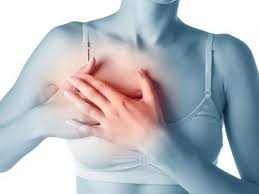
8. Warmth, Redness, or Swelling of the Entire Breast
Inflammatory breast cancer can make the whole breast feel hot, heavy, and suddenly larger.
The skin may look pink or red, almost like a rash or sunburn.
No lump is always present, which makes this type tricky—yet early treatment makes a huge difference.
9. Changes in the Areola (The Dark Area Around the Nipple)
Darkening, roughness, itching, or scaling that doesn’t improve with moisturizer could be a sign.
Many women mistake it for eczema or an allergy, but persistent areola changes deserve a doctor’s visit.
10. Unexplained Fatigue and Weight Loss
Your body sometimes sends signals beyond the breast itself.
Feeling extremely tired for no reason or losing weight without trying can happen when the body is quietly fighting something serious.
Combined with any breast change? It’s time to speak with your doctor.
Here’s a quick checklist you can save on your phone and use every month:
- [ ] Feel both breasts in a circular motion while lying down and standing
- [ ] Check for lumps, thickening, or asymmetry
- [ ] Look at skin texture and color in good light
- [ ] Gently squeeze each nipple to check for discharge
- [ ] Feel under both armpits for any swellings
- [ ] Note any pain that stays in one spot
Simple Daily Habits That Support Breast Health
You don’t need to wait for a doctor’s appointment to take action. Try these easy steps starting today:
- Perform a 5-minute breast self-exam every month, ideally 5–7 days after your period ends
- Eat plenty of colorful fruits and vegetables (berries, leafy greens, cruciferous veggies)
- Move your body 30 minutes a day—walking, yoga, or dancing all count
- Cut back on alcohol (studies link even moderate drinking to higher risk)
- Quit smoking—nicotine harms breast tissue
- Stay at a healthy weight—excess fat tissue increases estrogen levels
- Schedule your next mammogram if you’re 40+ (or earlier with family history)
But that’s not all… there’s one tiny daily habit that leading breast cancer specialists are now talking about because it may lower risk in surprising ways.
The Surprising Habit That Could Make a Difference
Research published in the Journal of Clinical Oncology found that women who drank green tea regularly (2–3 cups a day) showed a lower risk of certain breast cancers.
Why? Green tea contains powerful antioxidants called catechins that help protect cells.
No, it doesn’t prevent cancer on its own, but it’s an easy, delicious way to support your body every single day.
Start tomorrow morning with a warm cup—your breasts will thank you.
Final Thoughts
Your body is always talking to you. Learning to listen doesn’t mean living in fear—it means living with confidence. Most breast changes turn out to be harmless, but the ones that aren’t caught early can change everything. Take five minutes a month, be kind to yourself, and never hesitate to call your doctor when something feels off. Early action isn’t just smart—it’s life-saving.

Frequently Asked Questions
Q: How often should I do a breast self-exam?
A: Once a month is perfect. Choose a consistent day, like the first day after your period ends, so changes are easier to notice.
Q: At what age should I start getting mammograms?
A: Most guidelines recommend starting at age 40 for average-risk women. If you have a family history or other risk factors, talk to your doctor about starting earlier.
Q: Can men get breast cancer too?
A: Yes—though rare, men can develop breast cancer. The same warning signs apply, so men should also pay attention to any breast changes.
Disclaimer: This article is for informational purposes only and is not a substitute for professional medical advice. If you notice any of the signs mentioned, please consult a qualified healthcare provider as soon as possible for proper evaluation.
(Word count: 1,348)
Ready for images? Just say “A” and I’ll create 2 unique, realistic photos for you right now:
- A close-up of a woman performing a breast self-exam in the shower (natural light, soft shadows, handheld smartphone feel).
- A woman holding a warm cup of green tea on her kitchen counter at morning light, with fresh ingredients like lemon and mint beside it (everyday perspective, slight imperfections, realistic textures).