
Finding protein in your urine during a routine check can bring up worries about fatigue, swelling, and how your kidneys are holding up long-term. It leaves many people feeling uncertain and eager for ways to take positive steps alongside their doctor’s guidance. The encouraging part is that certain nutrient-rich foods, backed by research on antioxidants and anti-inflammatory compounds, may offer gentle support for kidney function when part of an overall healthy eating pattern.
Research points to plant-based choices and specific nutrients playing a helpful role in maintaining healthier kidney markers over time. Keep reading to discover 10 evidence-supported foods that studies suggest could contribute to reduced oxidative stress and inflammation in the kidneys—and there’s one standout spice with promising recent findings waiting toward the end.
What Protein in Urine Means for Kidney Function
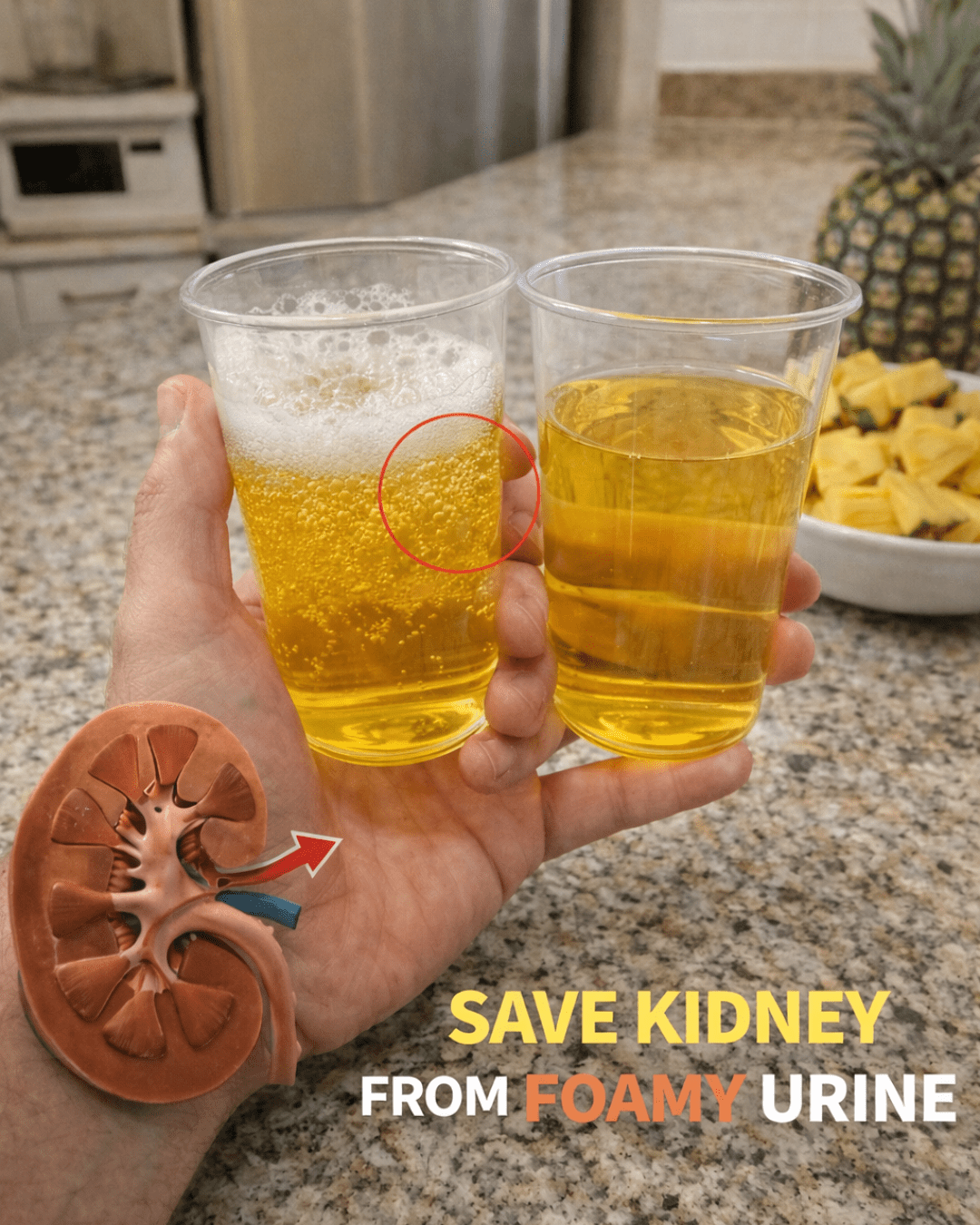
Protein in urine, or proteinuria, occurs when the kidneys’ filtering units allow some protein to pass through. This can show up as foamy urine and may link to swelling, tiredness, or changes in blood pressure.
Factors like high blood sugar, hypertension, or ongoing inflammation can contribute. Studies indicate that antioxidants, omega-3s, and certain plant compounds may help ease inflammation and protect kidney tissue.
That’s why diet can be a supportive tool. Emerging evidence shows that including anti-inflammatory foods regularly may lead to positive shifts in kidney health indicators.
Why Including Supportive Foods Matters Alongside Medical Care
Medications often target blood pressure or blood sugar control, but they may not provide the full range of protective nutrients kidneys benefit from.
Whole foods offer natural compounds that research suggests can reach kidney cells and provide additional support. Many of these are everyday grocery items—accessible, flavorful, and versatile.
Here are 10 foods with scientific backing that may help support kidney health:
10. Blueberries – Rich in Antioxidants
Blueberries contain anthocyanins, plant compounds linked in studies to lower oxidative stress in kidney tissue. Research, including animal models, has shown potential improvements in kidney markers with regular berry intake.
Enjoy ½ to 1 cup fresh or frozen daily—in smoothies, yogurt, or as a simple snack.
9. Fatty Fish – Source of Omega-3s
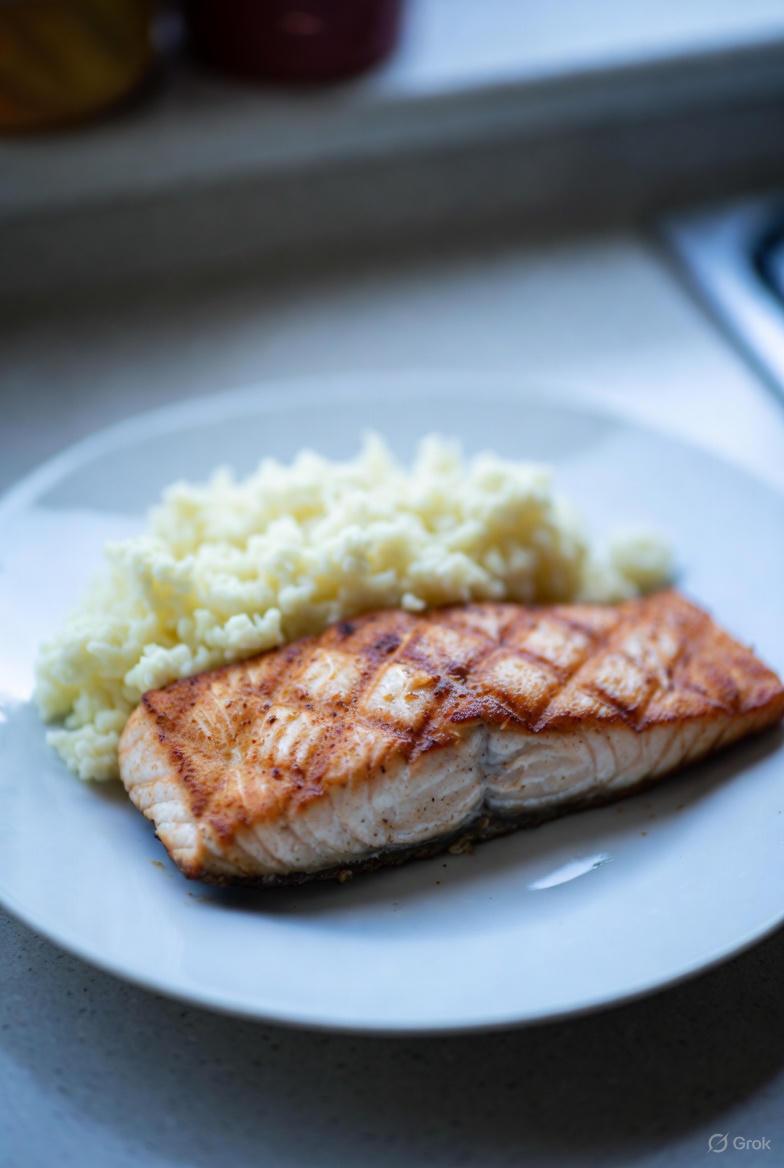
Options like salmon or sardines provide EPA and DHA. Reviews of studies suggest these omega-3s may help reduce kidney inflammation.
Aim for 2–3 servings per week, prepared baked or grilled.
8. Red Bell Peppers – High in Vitamin C, Low in Potassium
A single red bell pepper offers abundant vitamin C while staying lower in potassium. Vitamin C supports tissue health, including in kidney filters.
Add them raw to salads, roasted, or sautéed.
7. Garlic – Contains Beneficial Sulfur Compounds
Garlic’s allicin has been associated in research with relaxed blood vessels and reduced inflammation. Some studies note positive kidney marker changes with consistent use.
Incorporate 1–2 fresh cloves into daily meals.
6. Cabbage – Nutrient-Dense and Affordable
Cabbage provides compounds that support detoxification pathways. Evidence backs its potential protective effects on kidney cells.
Use it in slaws, steamed sides, or soups.
5. Extra-Virgin Olive Oil – Healthy Fat Choice
Oleocanthal in quality olive oil acts mildly anti-inflammatory. Mediterranean diet studies link regular use to favorable kidney markers.
Drizzle 2–4 tablespoons daily on veggies or salads.
4. Cranberries – Support for Urinary Tract Health
Unsweetened cranberries offer proanthocyanidins that may help maintain urinary tract balance and support kidney barriers.
Opt for pure juice or whole berries—around 8 ounces of unsweetened juice daily in some research.
3. Egg Whites – Gentle High-Quality Protein
Egg whites deliver protein with minimal phosphorus, easier on kidneys than some sources.
Include 2–4 whites a few times weekly in scrambles or baking.
2. Cauliflower – Versatile and Low-Potassium
Cauliflower is fiber-rich and contains sulforaphane, tied to reduced inflammation in studies.
Rice it, mash it, or roast as a side.
1. Ginger – Promising Spice for Kidney Markers
Ginger’s gingerol and related compounds stand out. Animal and some human studies link regular intake to improvements in proteinuria and kidney function markers.
Add fresh grated ginger to teas, stir-fries, or warm water daily.
But that’s not all—consistency over weeks often shows the most noticeable supportive effects in research.
Quick Comparison: Supportive Swaps for Everyday Meals
| Food | Potassium (per 100g approx.) | Key Compounds | Common Higher-Potassium Alternative |
|---|---|---|---|
| Blueberries | 77 mg | Anthocyanins, antioxidants | Banana (358 mg) |
| Red Bell Pepper | 211 mg | Vitamin C | Orange (181 mg potassium) |
| Cauliflower | 299 mg | Sulforaphane, fiber | Potato (925 mg) |
| Cabbage | 170 mg | Indoles, glutathione | Higher-potassium greens |
These swaps can make meals more kidney-supportive without feeling restrictive.
Practical Ways to Incorporate These Foods Daily
Start gradually for sustainable habits. Here’s a simple one-day example:
- Breakfast: Egg white omelet with red bell peppers and a side of blueberries
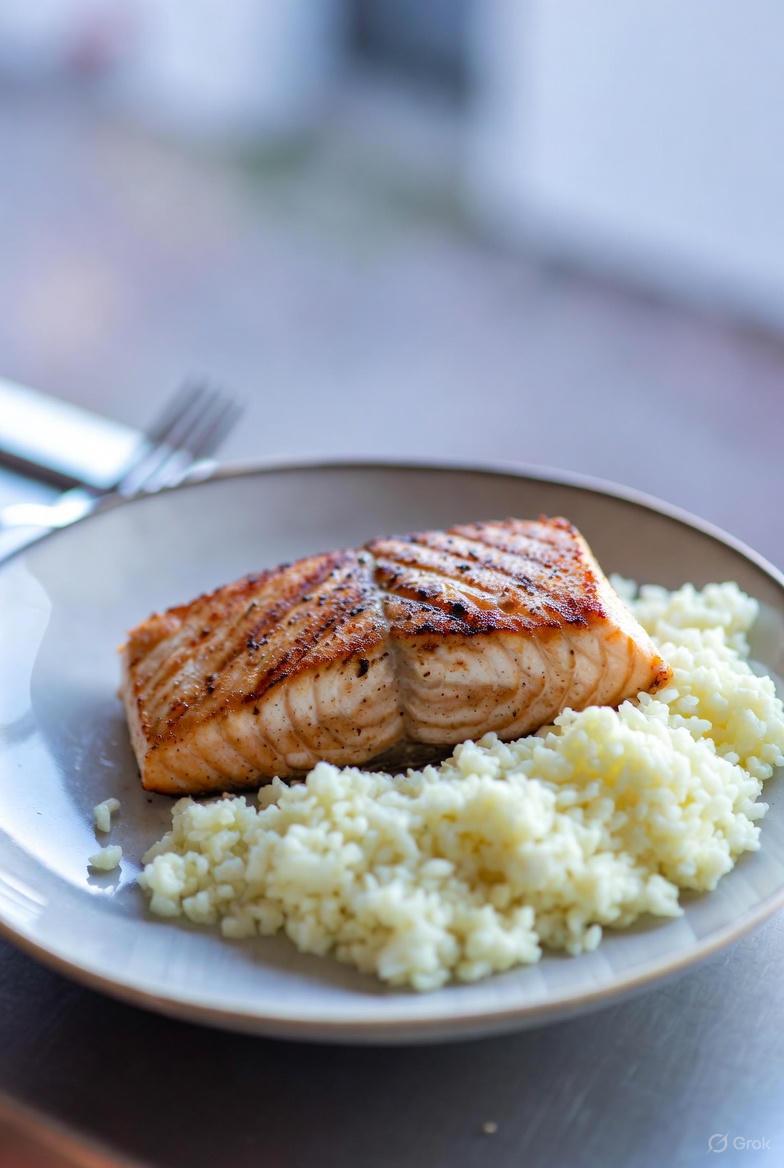
- Lunch: Grilled salmon over cauliflower rice, drizzled with olive oil and garlic
- Snack: Fresh cabbage slaw with a touch of olive oil
- Dinner: Ginger stir-fry with veggies and a small portion of sardines
- Evening: Warm ginger tea with a splash of unsweetened cranberry juice
Many people notice more energy after a few weeks of these adjustments.
Research often highlights encouraging marker changes after 8–12 weeks of steady inclusion.
Tips to Begin Today
- Choose 3–4 foods from the list and add them to your grocery routine.
- Replace a higher-potassium side like potatoes with cauliflower or cabbage.
- Include fresh garlic or ginger in at least one meal daily.
- Use extra-virgin olive oil as your primary added fat.
- Track how you feel and discuss with your doctor.
Small changes often lead to the most lasting benefits.
Final Thoughts
Incorporating supportive foods is about providing your body with natural tools to complement professional care. The 10 options here draw from scientific studies and offer practical steps to feel more empowered.
Every mindful choice adds up. Begin with one or two today and build gradually.
Frequently Asked Questions
Can diet alone handle proteinuria?
No approach replaces medical guidance, but studies suggest nutrient-rich, anti-inflammatory foods can provide valuable support.
How long until potential changes appear?
Research typically notes shifts in kidney markers after 4–12 weeks of consistent habits, varying by individual.
Are these foods suitable for all kidney stages?
Many are lower in potassium and phosphorus, but consult your healthcare provider or dietitian before changes—especially in advanced stages.
Disclaimer: This article is for informational purposes only and is not medical advice. Always consult your healthcare provider before dietary changes, especially with kidney concerns or medications. Individual results vary.


