
Many people enjoy their daily meals without realizing that certain common foods can add extra work to the kidneys, especially as we age or if kidney function isn’t at its best. With millions of adults living with chronic kidney disease, often without early symptoms, paying attention to what’s on your plate becomes more important than ever. Research from organizations like the National Kidney Foundation and NIDDK shows that excess sodium, potassium, phosphorus, or oxalates in some everyday items may contribute to mineral imbalances over time.
But here’s the good news: small, mindful adjustments can make a big difference. In this guide, we’ll explore 10 surprising foods that might need closer attention, why they matter, and practical swaps to keep enjoying flavorful meals. Stick around until the end for a simple table of kidney-supportive alternatives that could become your new go-tos.
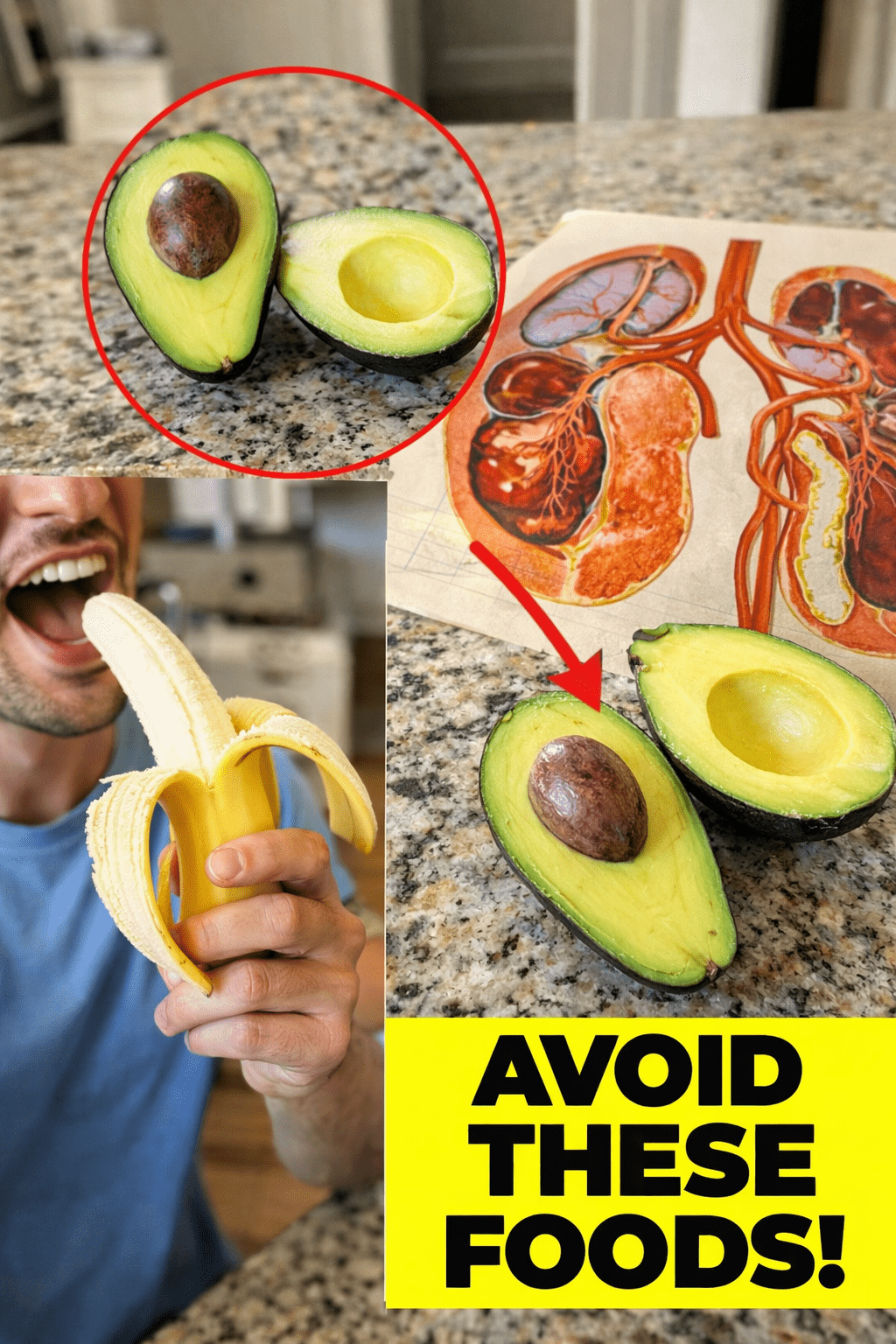
Why Everyday Foods Can Matter for Kidney Health
Your kidneys filter waste and help balance important minerals like potassium, phosphorus, and sodium. When function is reduced, these minerals can build up, potentially leading to issues like fatigue, swelling, or bone concerns. Studies highlight how diets high in certain additives or natural compounds play a role in kidney health management.
The key isn’t elimination—it’s moderation and smart selection. Working with a healthcare provider or dietitian ensures choices fit your unique needs.
1. Dark-Colored Sodas: The Hidden Phosphorus Additives
Many people reach for fizzy dark sodas as a refreshing treat, but these drinks often contain phosphorus additives that are easily absorbed. When kidneys struggle, extra phosphorus can accumulate.
Why it matters — Research from the National Kidney Foundation notes these additives may contribute more to buildup than natural sources.
Smarter swap — Choose water, herbal tea, or clear sodas without added phosphorus. Add lemon for flavor.
2. Avocados: The Potassium Powerhouse in a Superfood
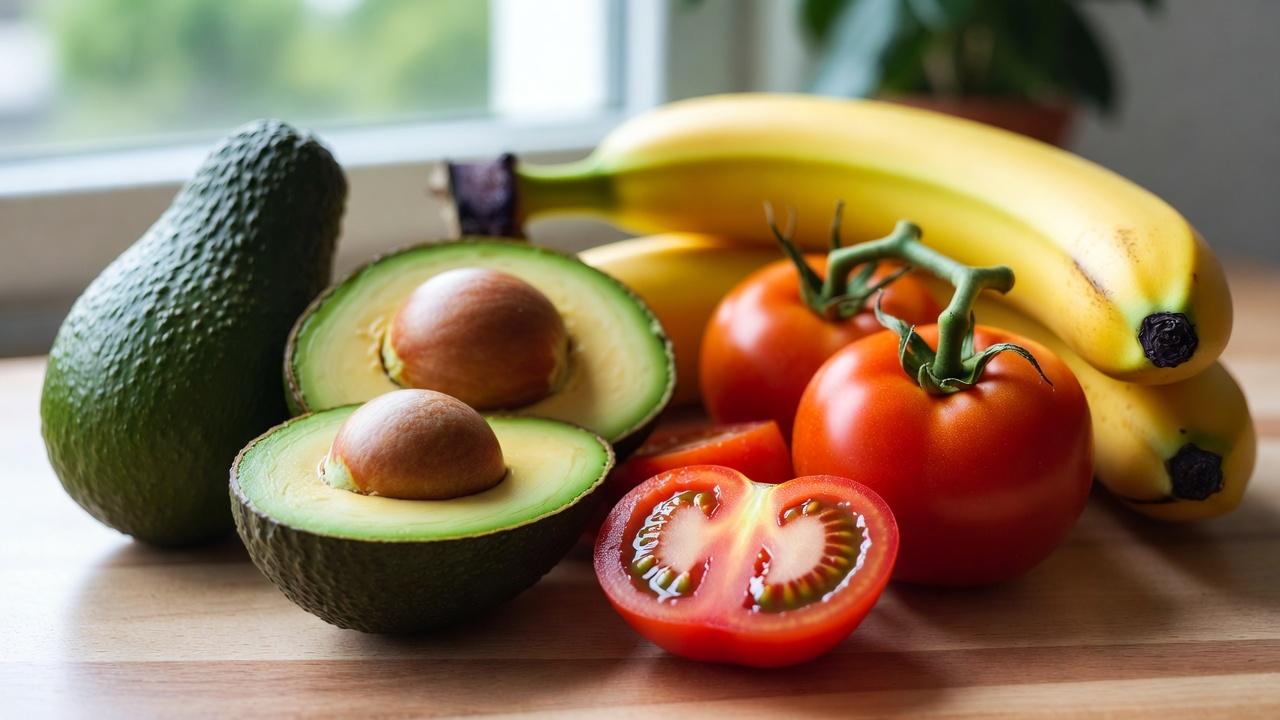
Avocados are loved for their healthy fats and creaminess, yet one medium avocado packs a significant potassium punch.
Why it matters — For those monitoring levels, high-potassium foods can be challenging if kidneys aren’t clearing them efficiently.
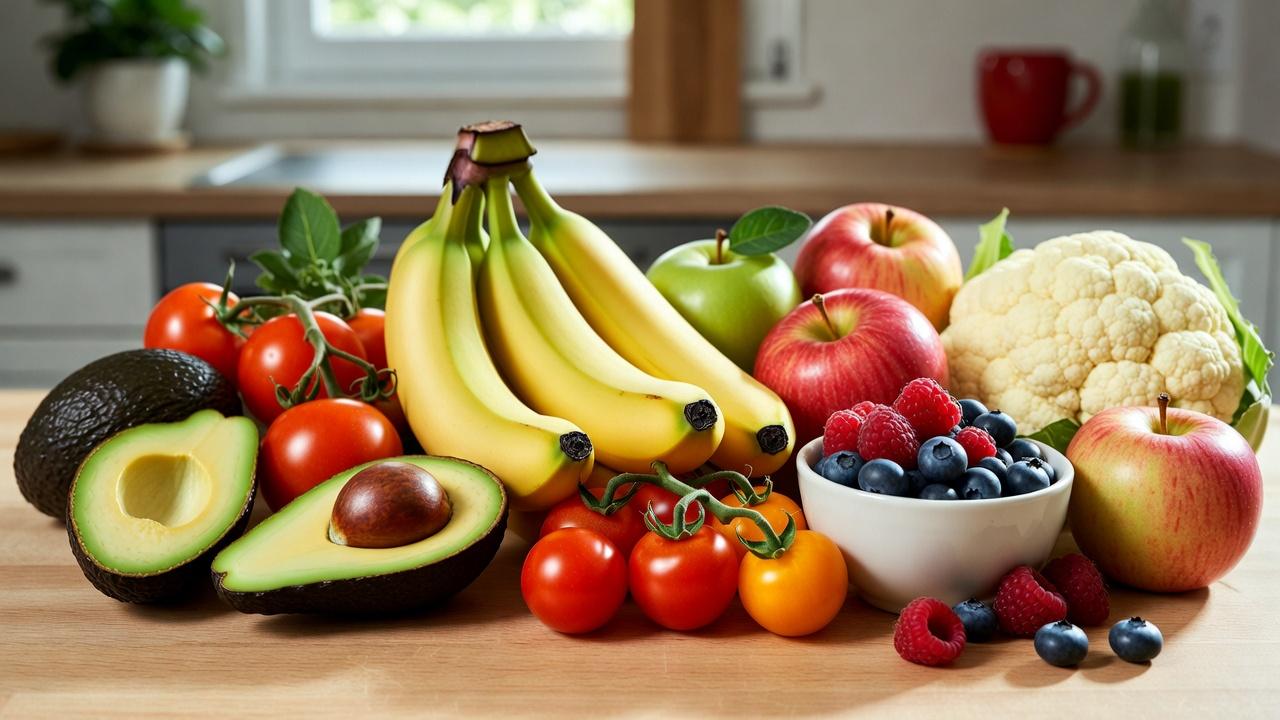
Smarter swap — Enjoy smaller portions occasionally, or try lower-potassium options like apples or berries. Leaching (soaking in water) can help reduce potassium in some veggies.
Here are some fresh, low-potassium fruit alternatives to consider:
- Apples
- Berries (strawberries, blueberries)
- Grapes
- Pineapple
These provide natural sweetness and antioxidants with less potassium impact.
3. Red Meat: The Acid Load from Frequent Portions
Steaks and burgers offer protein, but high intake of red meat can produce more acid for kidneys to handle.
Why it matters — Some studies link higher red meat consumption to increased kidney strain over time.
Smarter swap — Opt for lean fish, chicken, or plant-based proteins like beans (in moderated amounts) a few times a week.
4. Bananas: The Convenient Potassium Snack
Bananas are a quick energy boost, with a medium one delivering around 400mg of potassium.
Why it matters — Easy to grab, but they add up quickly for those watching intake.
Smarter swap — Reach for lower-potassium fruits like apples, cranberries, or grapes for snacks.
5. Spinach and Dark Leafy Greens: Oxalate Concerns
Spinach salads feel like the ultimate healthy choice, packed with nutrients.
Why it matters — High oxalates can bind with calcium, potentially contributing to stone formation in susceptible individuals.
Smarter swap — Try cabbage, cauliflower, or lettuce. Boiling greens can reduce oxalate content.
6. Processed Deli Meats: Sodium and Phosphorus Overload
Sandwich meats like ham or turkey slices are convenient, but often loaded with sodium and additives.
Why it matters — High sodium can affect blood pressure, adding kidney workload.
Smarter swap — Use fresh-roasted chicken or turkey, or go veggie with cucumber slices.
7. Tomatoes and Tomato Products: Potassium in Sauces
Fresh tomatoes or sauce add great flavor to meals, but concentrated forms pack potassium.
Why it matters — A cup of sauce can exceed daily targets for some.
Smarter swap — Use smaller amounts, or try lower-potassium veggies like onions or peppers.
8. Dairy Products: Phosphorus from Cheese and Yogurt
Cheese, milk, and yogurt provide calcium, but they’re naturally high in phosphorus.
Why it matters — Excess can build up when clearance is limited.
Smarter swap — Moderate portions, or explore lower-phosphorus options like cream cheese in small amounts.
9. Dried Fruits: Concentrated Minerals
Trail mix or dried apricots seem like healthy snacks, but drying concentrates potassium.
Why it matters — A small handful can deliver a big dose.
Smarter swap — Stick with fresh low-potassium fruits.
10. Oranges and Orange Juice: Citrus Potassium Surprise
Fresh oranges or juice offer vitamin C, but one large glass can approach significant potassium levels.
Why it matters — Convenient, yet impactful for monitoring.
Smarter swap — Choose apples or berries, or get vitamin C from bell peppers.
Quick Comparison: Foods to Watch vs. Kidney-Friendly Alternatives
| Food to Watch | Key Concern | Better Alternative | Why It’s Helpful |
|---|---|---|---|
| Dark Sodas | Phosphorus additives | Water or herbal tea | No added minerals |
| Avocados/Bananas | High potassium | Apples/Berries | Lower potassium, great flavor |
| Processed Meats | Sodium + phosphorus | Fresh chicken or fish | Better control over intake |
| Spinach/Tomatoes | Oxalate/potassium | Cauliflower/Cabbage | Versatile, lower impact |
| Dairy | Phosphorus | Small portions or alternatives | Supports bone health carefully |
Actionable Steps to Start Today
- Check labels for hidden phosphorus (look for “phos” ingredients) and sodium.
- Track portions of high-potassium foods for a week.
- Incorporate one or two swaps per meal, like berries instead of bananas.
- Stay hydrated with water as your main drink.
- Consult a dietitian for personalized guidance.
FAQ
What are the main minerals to watch in a kidney-friendly diet? Sodium, potassium, and phosphorus are key. Limiting them through food choices can help maintain balance.
Can I still eat fruits and vegetables? Yes! Focus on lower-potassium options like apples, berries, cabbage, and cauliflower for variety.
How do I know if I need to adjust my diet? Talk to your healthcare provider. Blood tests can show if mineral levels need attention.
This article is for informational purposes only and is not a substitute for professional medical advice. Always consult your doctor or a registered dietitian before making dietary changes, especially if you have kidney concerns.


