
Many people worry about health risks that build up over time from daily habits like diet and lifestyle. It’s frustrating when energy levels dip or routine check-ups highlight concerns, leaving you wondering if simple changes could make a difference. The good news is that research from organizations like the American Cancer Society and World Cancer Research Fund shows that focusing on whole, plant-based foods may help create an environment in the body that’s less favorable for cell damage and inflammation. And here’s the exciting part—we’ll reveal a surprising everyday staple at the end that ties it all together with its unique properties.

Why Your Daily Food Choices Matter More Than You Might Think
Major health experts estimate that up to 30-50% of cancer cases could be influenced by modifiable factors like diet, weight, and activity levels. Diets high in processed foods, added sugars, and red meats are linked to higher risks, while those rich in fruits, vegetables, whole grains, and legumes show promising protective associations.
Studies consistently point to antioxidants, fiber, and anti-inflammatory compounds in plant foods as key players. These may help neutralize harmful molecules, support healthy cell function, and maintain stable blood sugar.
But that’s not all—combining these foods with limiting processed items creates a synergistic effect. Ready to explore practical options you can add today?

1. Turmeric: The Golden Spice with Anti-Inflammatory Potential
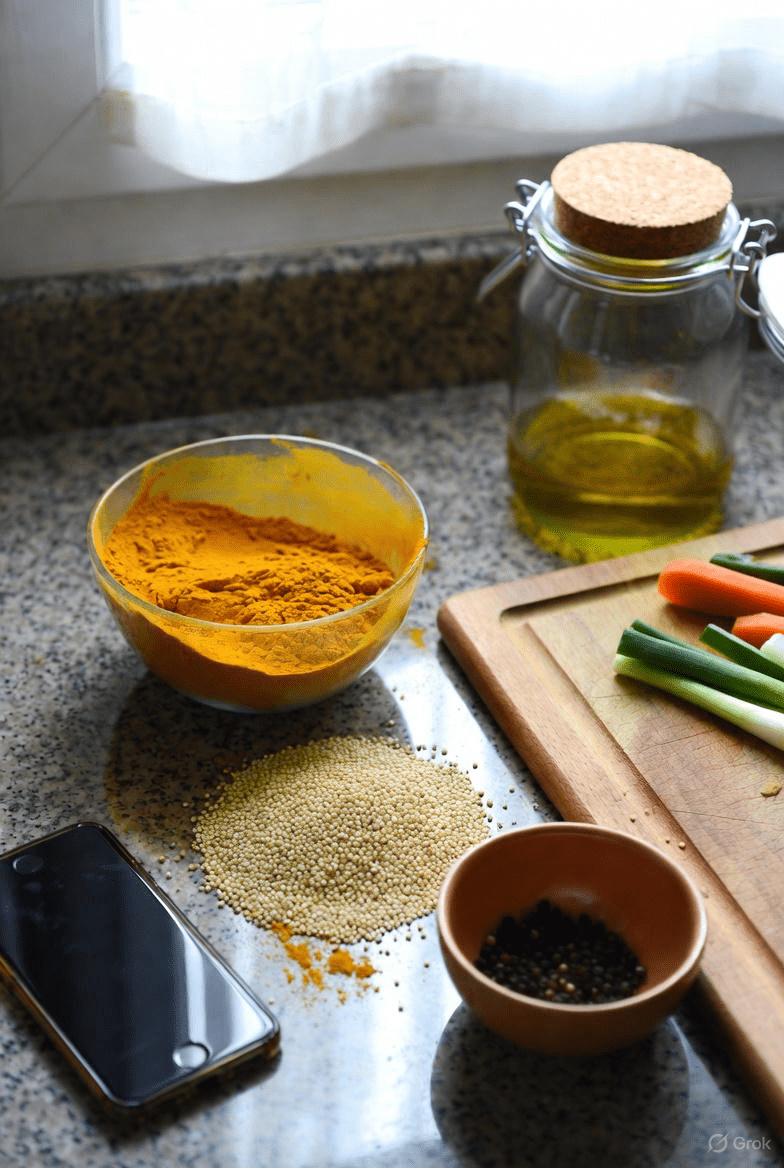
Turmeric contains curcumin, a compound studied for its ability to reduce inflammation—a factor linked to many chronic conditions.
Research suggests curcumin may interfere with pathways that promote abnormal cell growth. Pair it with black pepper for better absorption.
Easy tip: Add a pinch to scrambled eggs, soups, or warm milk for a soothing drink.
2. Garlic: A Flavorful Ally for Immune Support
Garlic’s organosulfur compounds, like allicin, form when you crush or chop it.
Population studies show higher garlic intake associated with lower risks of stomach and colorectal issues. Lab research indicates these compounds may enhance natural cell protection.
Pro strategy: Let crushed garlic sit 10 minutes before cooking to maximize benefits. Use in stir-fries or roasted veggies.
3. Berries: Bursting with Antioxidants
Strawberries, blueberries, raspberries, and blackberries are packed with anthocyanins and vitamin C.
Evidence from cohort studies links regular berry consumption to reduced oxidative stress. These colorful fruits may help protect cells from damage.
Quick idea: Top oatmeal or yogurt with a handful for breakfast.
4. Cruciferous Vegetables: Powerhouses Like Broccoli
Broccoli, cauliflower, Brussels sprouts, and kale contain glucosinolates that break down into protective compounds.
The National Cancer Institute notes research suggesting these veggies may support detoxification processes.
Actionable step: Steam or roast lightly to preserve nutrients—aim for 2-3 servings weekly.

5. Whole Grains: Fiber-Rich Options Like Oats and Quinoa
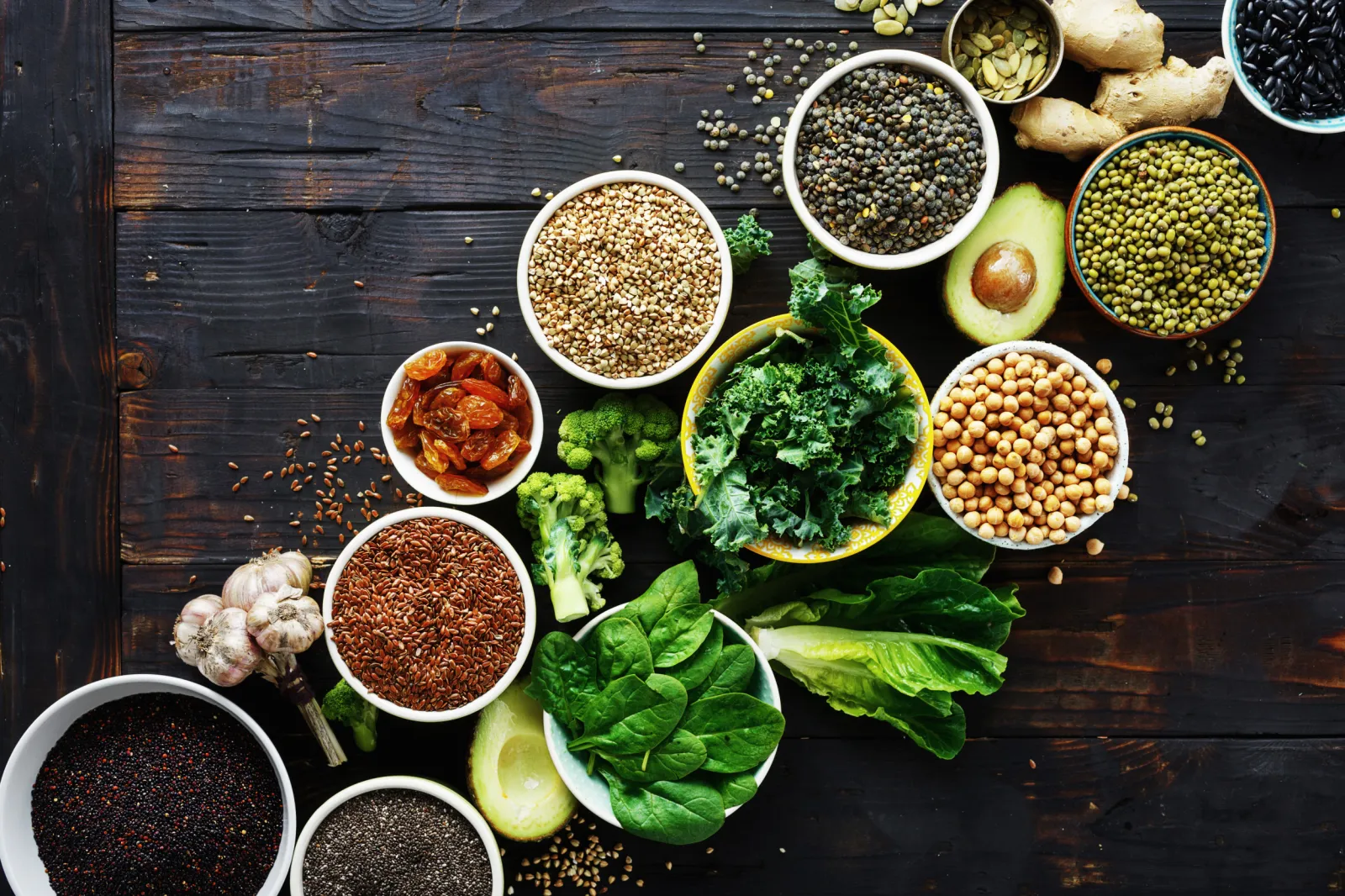
Oats, quinoa, and brown rice provide beta-glucans and other fibers.
Harvard research highlights whole grains’ role in supporting gut health and stable energy, potentially lowering colorectal risks.
Simple swap: Choose quinoa salads over refined grains for lunch.
6. Legumes: Beans and Lentils for Plant Protein
Lentils, chickpeas, and black beans offer fiber, folate, and plant compounds.
Studies associate higher legume intake with better weight management and digestive health.
Meal boost: Add to soups or salads for satisfying, steady fuel.
7. Leafy Greens: Nutrient-Dense Staples
Spinach, kale, and Swiss chard deliver carotenoids and folate.
Observational data suggests greens contribute to overall plant-rich patterns linked to wellness.
Daily habit: Blend into smoothies or sauté as a side.
8. Tomatoes: Lycopene-Rich Favorites
Tomatoes provide lycopene, especially bioavailable when cooked.
Some research points to associations with prostate health support.
Tip: Enjoy in sauces or roasted with olive oil.
9. Citrus Fruits: Vitamin C Boosters Like Lemons
Lemons, oranges, and grapefruits offer flavonoids and vitamin C.
These may aid antioxidant defenses, per various reviews.
Morning ritual: Start the day with warm lemon water.
10. Green Tea: A Soothing Beverage Option
The final twist—green tea’s catechins, like EGCG, have been extensively studied.
Meta-analyses suggest regular intake may correlate with modest risk reductions for certain cancers.
How to incorporate: Sip 2-3 cups daily, unsweetened.
Here’s a quick comparison of key compounds:
| Food | Main Compound(s) | Potential Benefit Supported by Research |
|---|---|---|
| Turmeric | Curcumin | Anti-inflammatory pathways |
| Garlic | Allicin | Immune and detoxification support |
| Berries | Anthocyanins | Antioxidant protection |
| Cruciferous Veggies | Glucosinolates | Cell defense mechanisms |
| Whole Grains | Beta-glucans, Fiber | Gut health and blood sugar stability |
| Legumes | Fiber, Folate | Digestive wellness |
| Leafy Greens | Carotenoids | Overall nutrient synergy |
| Tomatoes | Lycopene | Oxidative stress reduction |
| Citrus | Flavonoids, Vitamin C | Immune boosting |
| Green Tea | Catechins | Broad cellular support |
Practical Ways to Add These Foods Starting Today
Begin small for lasting habits:
- Week 1-2: Focus on 3 foods, like adding berries to breakfast and garlic to dinner.
- Week 3+: Rotate more, aiming for variety across meals.
- Bonus pairings: Turmeric with pepper, greens in smoothies.
Research emphasizes whole foods over supplements for better nutrient absorption.
Putting It All Together for Long-Term Wellness
A pattern rich in these everyday items—combined with movement, healthy weight, and limiting processed foods—offers the strongest evidence-based approach.
Consistency compounds benefits over time.
Frequently Asked Questions
Can these foods alone prevent cancer? No single food guarantees prevention, but a plant-focused pattern may meaningfully support overall health risks, per major reviews.
How much should I eat daily? Aim for at least 5 servings of fruits/veggies, half your grains as whole, and variety weekly.
What about supplements? Experts like ACS recommend food sources first—supplements lack the full synergy and may not provide the same associations.
Disclaimer: This information is for educational purposes only and is not medical advice. No diet can cure or prevent disease. Always consult your healthcare provider before making changes, especially if you have health conditions or take medications.


