
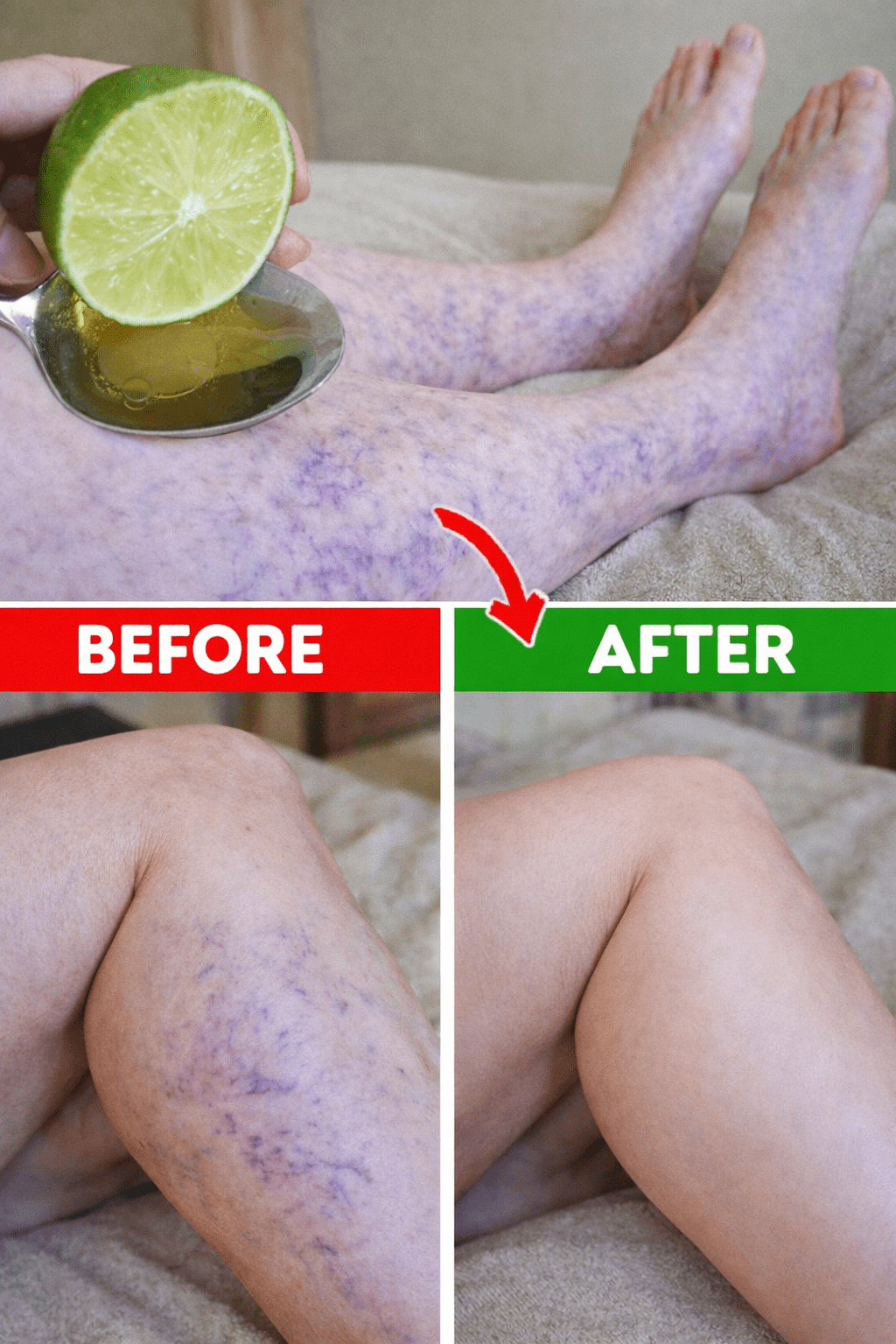
Many people notice visible, twisted veins in their legs or experience a heavy, achy feeling after long days of standing or sitting. This common issue, often linked to varicose veins, can make simple activities like walking or shopping feel tiring and uncomfortable. Factors like age, prolonged inactivity, or excess weight may contribute to these sensations, leaving legs feeling swollen or restless by evening.
The good news is that small, consistent lifestyle adjustments can help promote better blood flow and ease everyday leg discomfort. In this guide, we’ll explore practical, evidence-informed habits drawn from trusted sources like the Mayo Clinic and various studies on circulation support. Stick around until the end—there’s one often-overlooked combination that many find especially helpful for daily comfort.
Why Focus on Circulation Support?
Poor blood flow in the legs doesn’t just affect appearance; it can lead to feelings of fatigue, mild swelling, or that “heavy legs” sensation. Research shows that nearly one in three adults experiences some degree of circulation-related leg concerns as they age. Lifestyle factors play a big role, and simple changes often provide noticeable support without invasive approaches.
But here’s the key: these habits work best when combined and done consistently. Let’s dive into 10 approachable ways to encourage better vein health and smoother circulation.
1. Stay Active with Gentle Movement
Regular, low-impact activity is one of the most recommended ways to promote blood flow in the legs. Walking, swimming, or cycling helps the calf muscles act as a natural pump, pushing blood upward against gravity.
Studies highlight that consistent movement improves circulation and may reduce the risk of vein-related discomfort over time. Aim for 30 minutes most days—even short walks during breaks count.
Quick tip: Start with 10-minute walks after meals to notice a difference in leg lightness.
2. Wear Compression Stockings Daily
Graduated compression stockings apply gentle pressure that supports veins and helps prevent blood from pooling. Many find them useful for reducing swelling and achiness after long periods of sitting or standing.
Evidence from clinical reviews shows compression can ease symptoms effectively, especially when worn consistently. Choose knee-high styles with mild to moderate pressure (consult a pharmacist for the right fit).
But that’s not all—pairing them with other habits amplifies the benefits.
3. Elevate Your Legs Regularly
Taking short breaks to raise your legs above heart level uses gravity to assist blood return, offering quick relief from heaviness or mild swelling.
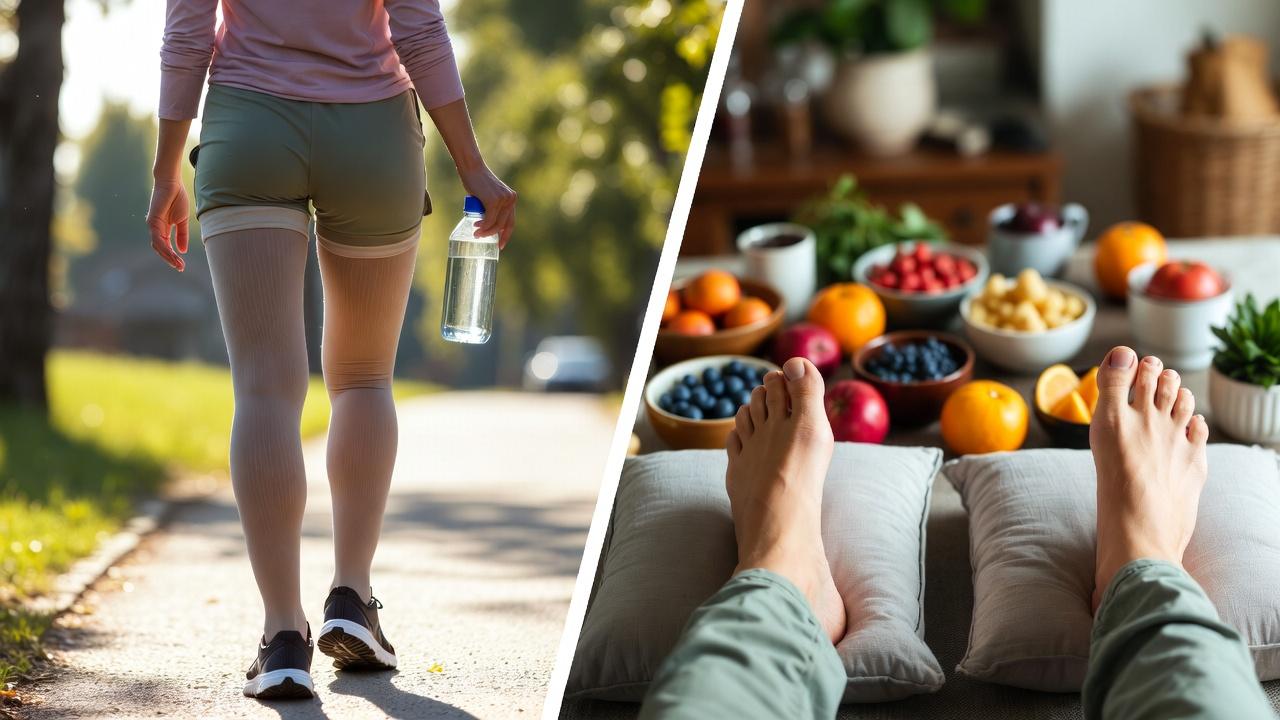
The Mayo Clinic recommends elevating legs for 15-20 minutes several times a day, such as lying down with feet propped on pillows. This simple habit is easy to incorporate at home or work.
Here’s the interesting part: many people combine elevation with gentle ankle flexes for extra support.
4. Maintain a Healthy Weight
Extra weight puts additional pressure on leg veins, which can contribute to discomfort over time. Gradual weight management through balanced eating and activity lightens that load.
Research links healthy weight to better overall vein function. Focus on sustainable changes rather than quick fixes.
5. Choose Comfortable Clothing and Footwear
Tight clothing around the waist, groin, or legs can restrict flow, while high heels limit calf muscle engagement. Opt for loose, breathable options and low-heeled shoes to encourage natural movement.
Avoiding restrictive garments is a simple swap that supports unrestricted circulation.
6. Stay Hydrated Throughout the Day
Adequate water intake keeps blood from becoming too thick, supporting smoother flow. Dehydration can worsen feelings of sluggishness in the legs.
Aim for at least 8 glasses daily—add lemon or cucumber slices for flavor and a mild antioxidant boost.
7. Incorporate Fiber-Rich and Flavonoid Foods
A diet with plenty of fruits, vegetables, whole grains, and berries provides fiber to prevent constipation (which adds abdominal pressure) and flavonoids that may help maintain vessel flexibility.
Foods like citrus, berries, onions, garlic, and leafy greens are great sources. Studies suggest these nutrients support cardiovascular health in general.
8. Avoid Prolonged Sitting or Standing
Changing positions frequently prevents blood from pooling. Set reminders to stand, stretch, or walk every hour if your routine involves long desk time or standing.
This small habit makes a surprising difference in daily comfort.
9. Consider Flavonoid-Rich Herbal Options (with Guidance)
Some people explore supplements like horse chestnut seed extract or grape seed, which preliminary research suggests may support vein tone and reduce mild swelling.
Always discuss with a healthcare provider first, as interactions or individual suitability vary.
10. Build Consistency with a Simple Daily Routine
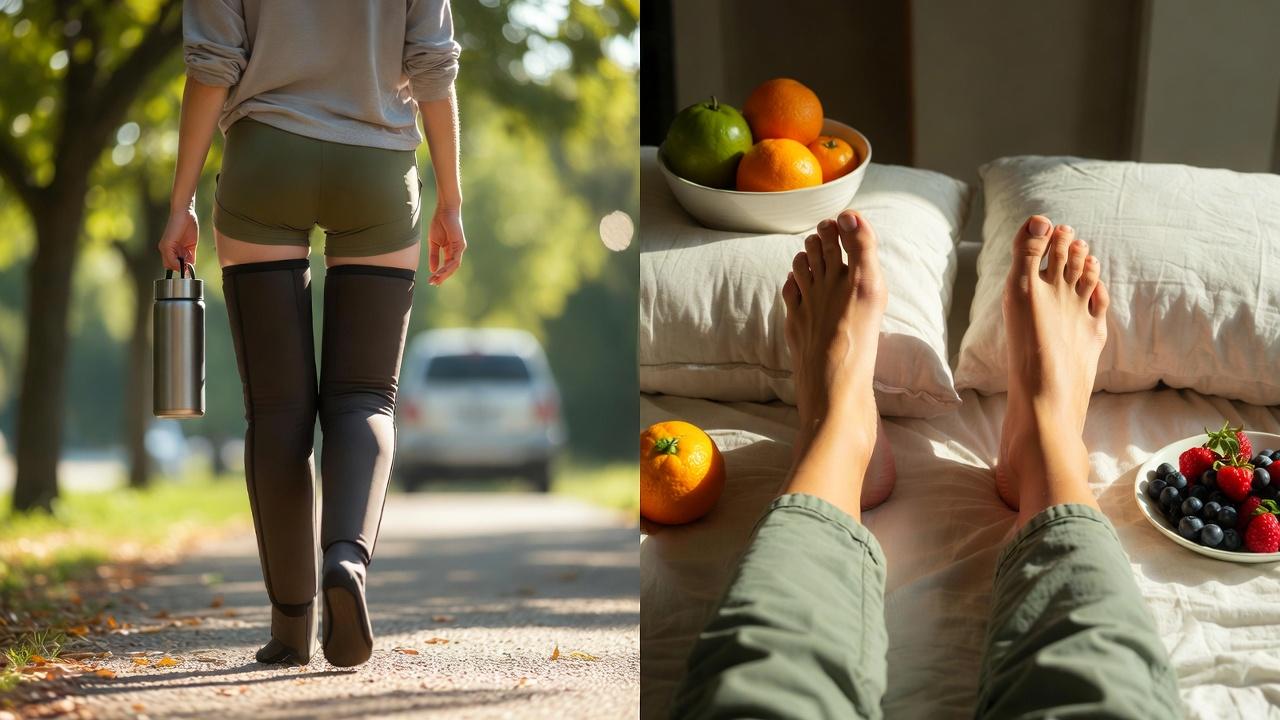
Combine these habits for the best results: morning walk + compression stockings during the day + evening elevation + hydration focus.
Many report feeling lighter legs and more energy after a few weeks of steady practice. Track your comfort level weekly to stay motivated.
Here’s a quick comparison of these habits:
- Exercise & Movement → Builds natural pump action
- Compression & Elevation → Provides immediate support
- Diet & Hydration → Supports from the inside
- Position Changes → Prevents daily buildup
Tying It All Together
Supporting leg circulation and vein health is about building sustainable habits that fit your lifestyle. Start with one or two—like daily walks and elevation—and add more over time. Consistency often brings the most noticeable improvements in how your legs feel throughout the day.
If discomfort persists or worsens, consult a healthcare professional to discuss your options.
Frequently Asked Questions
How long does it take to notice changes from these habits?
Many people feel lighter legs within a few weeks of consistent activity, elevation, and compression use, though results vary.
Are compression stockings safe for everyone?
They’re generally helpful but check with a doctor or pharmacist for the right type and fit, especially if you have certain health conditions.
Can diet alone support vein health?
Diet plays a supportive role through nutrients like fiber and flavonoids, but combining it with movement and other habits is more effective.
Disclaimer: This article is for informational purposes only and is not a substitute for professional medical advice. Please consult your healthcare provider before making changes to your routine or starting any new supplements, especially if you have existing health conditions.


