As we age, many people notice it takes a bit more effort to stand up from a chair or carry groceries inside. Simple daily tasks can start to feel tiring, and that familiar strength seems to fade quietly over time. This gradual change affects millions of adults over 60, often without much warning.
Research shows muscle mass naturally declines with age, but certain nutrients from everyday foods might help maintain strength and vitality. Keep reading to discover practical options backed by studies—and one surprising everyday choice that often stands out.
Why Muscle Health Matters More After 60
After age 50, adults can lose 3–5% of muscle mass per decade if no steps are taken. This process, known as age-related muscle decline, can make balance trickier and increase the risk of falls.
Studies estimate that up to 50% of people over 70 experience noticeable effects. Everyday activities like gardening or playing with grandchildren may feel harder than before.
The good news? Research from places like Harvard and Tufts University suggests that diet plays a key role in supporting muscle function alongside gentle movement.
The Role of Protein and Other Nutrients
Protein provides amino acids the body uses to repair and maintain muscle tissue. One amino acid called leucine appears especially helpful for older adults.
Other nutrients—like omega-3 fatty acids, antioxidants, and certain vitamins—may help reduce inflammation and support blood flow to muscles.
Here’s the interesting part: you don’t need fancy supplements. Many of the most studied options come from regular grocery store foods.
Top 10 Foods That Research Links to Better Muscle Support
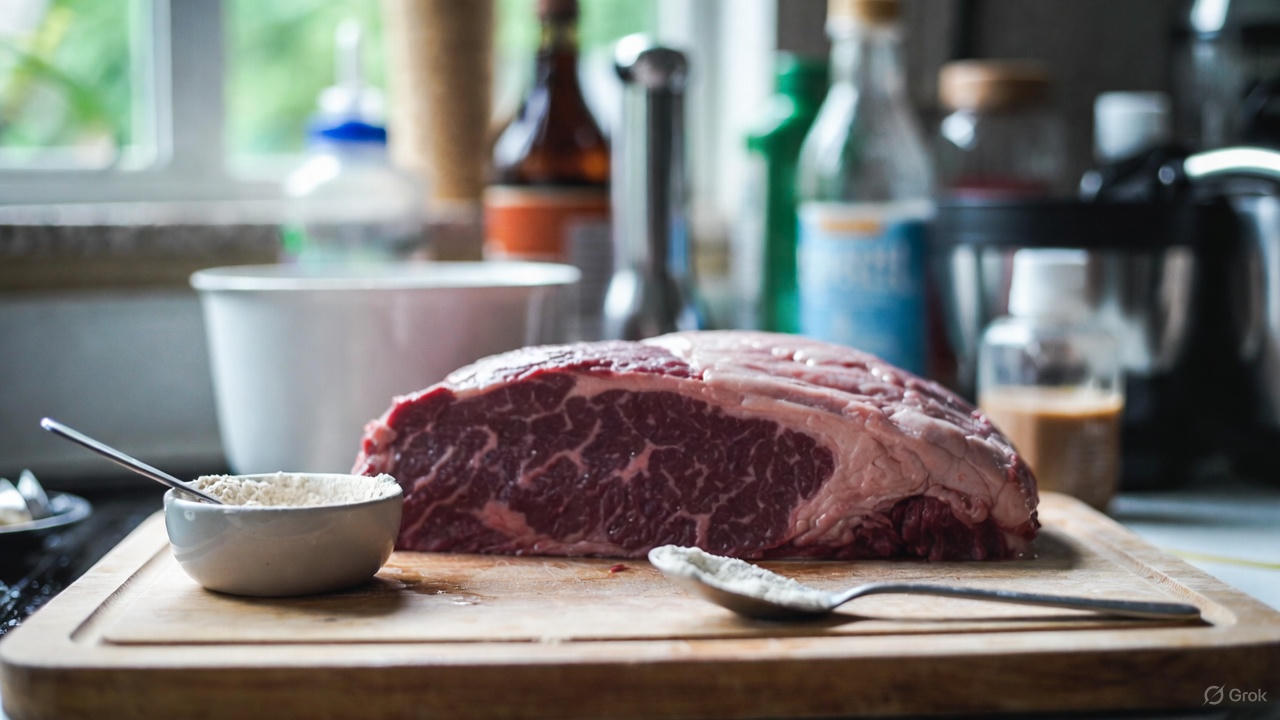
10. Lean Beef
A modest portion of lean beef offers high-quality protein and natural creatine. Studies from McMaster University found older adults who included lean beef gained more strength when combined with light resistance exercise.
Choose grass-fed or lean cuts 2–3 times per week.
9. Whey Protein
Whey digests quickly and is rich in leucine. Research shows seniors who added whey protein to their routine preserved more muscle compared to food alone.
Mix 20–30 grams into a morning smoothie.
8. Fatty Fish (Salmon, Mackerel, Sardines)
These provide protein plus omega-3s EPA and DHA. The American Journal of Clinical Nutrition reported less muscle decline in older adults who ate fatty fish regularly.
Aim for two servings per week—wild-caught when possible.
7. Nuts and Seeds
Almonds, walnuts, and pumpkin seeds deliver plant protein, healthy fats, magnesium, and vitamin E. Tufts University studies link higher nut intake to slower age-related changes.
A small handful daily makes an easy snack.
6. Beans and Legumes
Lentils, chickpeas, and black beans offer protein and fiber that support gut health—an emerging factor in overall inflammation control.
Research shows frequent legume eaters maintained better physical function over years.
5. Eggs
Whole eggs provide complete protein and choline. University of Illinois research found whole eggs triggered a stronger muscle response after exercise than egg whites alone.
Most healthy adults can enjoy up to 7 eggs per week.
4. Extra-Virgin Olive Oil
Its polyphenols, especially oleuropein, show anti-inflammatory effects in studies. Large trials like PREDIMED linked daily olive oil use to better grip strength in seniors.
Use 2–3 tablespoons for cooking or dressings.
3. Berries (Blueberries, Strawberries, Raspberries)
Packed with anthocyanins, berries help protect cells from oxidative stress. Tufts research showed improved walking speed and recovery in older adults who ate blueberries regularly.
One cup fresh or frozen daily is simple to add.
2. Leafy Greens (Spinach, Kale, Arugula)
Rich in nitrates, magnesium, and vitamin K, greens support blood flow and muscle contractions. Studies from the Karolinska Institute highlight nitrate benefits for older muscle function.
Add 2 cups to salads or smoothies.
1. Greek Yogurt (Plain)
Strained Greek yogurt delivers 15–20 grams of protein per serving, including slow-release casein—ideal before bed. Probiotics may also improve nutrient absorption.
Choose plain full-fat or low-fat and sweeten naturally with berries.
Quick Comparison of Key Nutrients
| Food | Approx. Protein per Serving | Standout Nutrient(s) | Suggested Frequency |
|---|---|---|---|
| Lean Beef | 25g (4 oz) | Leucine, creatine | 2–3 times/week |
| Whey Protein | 20–30g (1 scoop) | High leucine | Daily |
| Fatty Fish | 20g (4 oz) | Omega-3s, vitamin D | Twice weekly |
| Nuts & Seeds | 6g (¼ cup) | Magnesium, vitamin E | Daily |
| Beans/Legumes | 15g (1 cup cooked) | Fiber, iron | 3–4 times/week |
| Eggs | 12g (2 whole) | Choline, complete protein | Up to 7/week |
| Olive Oil | 0g | Oleuropein, monounsaturated fats | Daily |
| Berries | 1g (1 cup) | Anthocyanins | Daily |
| Leafy Greens | 2–3g (2 cups) | Nitrates, vitamin K | Daily |
| Greek Yogurt | 15–20g (6 oz) | Casein, probiotics | 3–4 times/week |

Simple Ways to Add These Foods This Week
- Start small: Pick 2–3 foods from the list and add one new serving each day.
- Breakfast idea: Plain Greek yogurt topped with berries and a sprinkle of nuts.
- Lunch upgrade: Spinach salad drizzled with olive oil and topped with grilled salmon or chickpeas.
- Dinner option: Lean beef or lentils stir-fried with plenty of greens.
- Snack: Hard-boiled eggs or a small handful of almonds.
- Evening: A whey or yogurt smoothie if you feel hungry before bed.
Pair these choices with gentle walks or light strength exercises for even better results, according to most studies.
Real-Life Examples From Research Participants
Many older adults in long-term studies reported feeling steadier on their feet and less fatigued after consistently including several of these foods. While individual results vary, the pattern across trials is encouraging.
Final Thoughts
Small, consistent dietary choices can add up over time. By including a variety of protein-rich foods, healthy fats, and colorful produce, you give your body helpful building blocks.
Try experimenting with one or two suggestions this week and notice how you feel. Your future self might thank you.
Frequently Asked Questions
Can diet alone stop age-related muscle decline?
Diet plays an important supportive role, but combining nutrient-rich foods with regular movement and strength activities gives the best outcome according to research.
How much protein do older adults need daily?
Most guidelines suggest 1.0–1.2 grams of protein per kilogram of body weight for adults over 60, spread across meals.
Are supplements necessary if I eat these foods?
Whole foods provide additional vitamins, minerals, and fiber that supplements lack. Many people meet needs through diet alone, but talk to your doctor if you have specific concerns.
This article is for informational purposes only and is not medical advice. Always consult your healthcare provider before making significant dietary changes, especially if you have health conditions or take medications.
(Word count: 1,248)