
You open your latest lab results and see protein in your urine again. The foamy bubbles in the toilet, the mild swelling in your ankles by evening, and that persistent fatigue that creeps in during the day can make everything feel overwhelming. It’s tough when the usual recommendations don’t seem to bring the relief you’re hoping for, leaving you searching for practical steps you can take every day. The encouraging part? Certain everyday food choices may help create a more supportive environment for your kidneys—and we’ll uncover some surprisingly simple options ahead.

What Proteinuria Really Means for Your Kidneys
Proteinuria happens when protein leaks into your urine, often because the kidney’s tiny filters are experiencing added stress. This can be linked to factors like blood pressure changes, blood sugar variations, or ongoing inflammation.
Many people manage it with medications such as ACE inhibitors or ARBs, which help reduce pressure on those filters. Research shows these can be helpful, but smart food choices can play a supportive role by promoting better inflammation balance, blood vessel health, and metabolic stability.
The good news is that nutrient-dense, kidney-friendly foods can become part of your routine without feeling restrictive.
Why Everyday Food Choices Can Make a Difference
Studies suggest that eating patterns rich in antioxidants, omega-3 fats, and fiber may support healthier inflammatory responses and steadier blood sugar levels—both important when kidneys are under stress.
These foods don’t replace medical care, but they can serve as consistent daily tools. Many people notice more stable energy and less noticeable puffiness after including them regularly.
But which ones stand out the most? Let’s explore the top 10, backed by what research highlights about their key nutrients.
The Top 10 Kidney-Friendly Foods to Add to Your Plate
10. Blueberries
These tiny berries are loaded with anthocyanins—plant compounds widely studied for their antioxidant properties. A small handful makes a satisfying snack or dessert without causing blood sugar spikes.
9. Cold-Water Fatty Fish (Salmon, Sardines, Mackerel)
Rich in omega-3 fatty acids (EPA and DHA), these fish are often researched for supporting balanced inflammation and heart health. Aim for 2–3 servings per week, baked or grilled.
8. Red Bell Peppers
Crisp, sweet, and colorful, red bell peppers provide vitamin C and carotenoids while being naturally lower in potassium than many vegetables. They’re perfect as a snack or added to meals.
7. Garlic
Fresh garlic releases beneficial organosulfur compounds when chopped. Studies link these to vascular support, and it adds wonderful flavor to savory dishes.
6. Cabbage
Affordable and versatile, cabbage offers fiber and phytonutrients. Use it in salads, stir-fries, or soups for satisfying volume without heavy carbohydrates.
5. Extra-Virgin Olive Oil
Its polyphenols have been studied for potential anti-inflammatory benefits. A light drizzle over vegetables or fish can enhance flavor and help you feel fuller longer.
4. Unsweetened Cranberries
Known for unique polyphenols, cranberries (fresh, frozen, or diluted pure juice) are frequently explored for urinary tract comfort. Enjoy in moderation.
3. Egg Whites
A high-quality, low-phosphorus protein source that’s easy to digest. They help maintain muscle when overall protein intake needs careful management.
2. Cauliflower
This adaptable vegetable can replace rice, potatoes, or be roasted—providing fiber and vitamin C while offering lower-glycemic alternatives.
1. Fresh Ginger
Gingerols give ginger its distinctive warmth and are researched for digestive and inflammation-supporting effects. Add it to teas, stir-fries, or soups for comforting flavor.
Here’s a quick comparison table of what each food offers:
| Food | Key Nutrients/Compounds | Potential Support Area |
|---|---|---|
| Blueberries | Anthocyanins | Antioxidant balance |
| Fatty Fish | Omega-3s (EPA/DHA) | Inflammation and heart health |
| Red Bell Peppers | Vitamin C, carotenoids | Cellular and immune support |
| Garlic | Organosulfur compounds | Vascular health |
| Cabbage | Fiber, phytonutrients | Satiety and gut health |
| Olive Oil | Polyphenols | Anti-inflammatory patterns |
| Cranberries | Polyphenols | Urinary tract comfort |
| Egg Whites | High-quality protein | Muscle maintenance |
| Cauliflower | Fiber, vitamin C | Blood sugar-friendly alternatives |
| Ginger | Gingerols | Digestive comfort |
Simple Ways to Include These Foods Every Day
Start small—there’s no need for a complete diet overhaul. Here are easy ideas you can try right away:
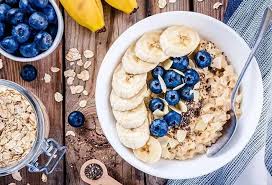
- Breakfast: Egg white omelet with chopped red bell peppers and a side of blueberries.
- Lunch: Baked salmon over cauliflower rice, drizzled with extra-virgin olive oil and minced garlic.
- Snack: Fresh red pepper strips or a small cabbage slaw with lemon and olive oil.
- Dinner: Ginger stir-fry loaded with cabbage, peppers, and cauliflower.
- Evening treat: Warm ginger tea made with fresh slices.
Practical tips to make it sustainable:
- Choose low-sodium canned fish when fresh isn’t available.
- Dilute pure unsweetened cranberry juice and keep portions moderate.
- Use extra-virgin olive oil sparingly—calories add up quickly.
- If you take blood thinners, talk to your doctor about garlic and ginger amounts.
- Fill at least half your plate with non-starchy veggies like cabbage, peppers, and cauliflower.
A Realistic One-Week Starter Plan
Rotate these simple combinations throughout the week:
- Breakfast: Egg whites + red bell peppers + handful of blueberries
- Lunch: Fatty fish + cauliflower base + olive oil and garlic dressing
- Afternoon snack: Cabbage strips or red pepper slices
- Dinner: Ginger vegetable stir-fry with plenty of cabbage and cauliflower
- Evening wind-down: Cup of fresh ginger tea
Prep tips that save time:
- Batch-cook cauliflower rice on the weekend.
- Keep frozen blueberries and fish portions in the freezer.
- Pre-chop garlic and ginger and store in the fridge.
Many people report feeling more energized and noticing less afternoon swelling after 2–4 weeks of consistency. But that’s not all—small habits like these often create the biggest shifts over time.
Your Quick-Start Grocery List
Keep it simple with these essentials:
- Fresh or frozen blueberries
- Red bell peppers (mix colors for variety)
- Fresh garlic bulbs
- Fresh ginger root
- Head of green or red cabbage
- Bottle of extra-virgin olive oil
- Unsweetened cranberries (fresh, frozen, or pure juice)
- Carton of egg whites
- Fresh or frozen cauliflower
- Salmon fillets or low-sodium sardines/mackerel
Conclusion: Small Daily Choices Can Add Up
Adding these nutrient-rich foods won’t replace your prescribed plan, but research suggests they may help create a more supportive internal environment through better inflammation balance, blood sugar stability, and overall nourishment.
The real difference comes from consistency rather than perfection. Choose 3–4 foods from this list, use them daily, and build from there. Over time, these small steps can become reliable habits that make everyday life feel a little lighter.
Frequently Asked Questions
Can these foods alone reduce protein in my urine? No single food works independently. They may support overall kidney-friendly habits when combined with medical guidance, but regular lab checks remain essential.
How much protein should I eat with proteinuria? It depends on your individual kidney function and health status. Always follow the specific recommendations from your healthcare provider or dietitian.
Are these foods safe if I have advanced kidney concerns? Many are generally well-tolerated, but limits on potassium, phosphorus, and fluids vary person to person. Discuss any dietary changes with your doctor first.
This article is for informational purposes only and is not medical advice. Always consult your healthcare provider for personalized recommendations regarding diet and kidney health.


