
Many people over 45 start noticing that their joints feel a little stiffer when they wake up or after sitting for long periods. This gradual change can make everyday activities like getting out of bed, climbing stairs, or enjoying a walk feel more effortful than before. It often sneaks up quietly, affecting energy and mood along the way. The encouraging part is that simple, everyday habits can make a real difference in how your joints feel—and there’s one easy combination many people love that I’ll share at the end.
Why Joint Stiffness Often Increases After 45
As we get older, the cartilage that cushions our joints naturally thins over time, and low-level inflammation can become more common. Years of normal activity add up, too. Research from health organizations shows that millions of adults experience some degree of joint discomfort as they age.
The good news? Gentle lifestyle choices can help support your body’s natural comfort and flexibility. Let’s explore ten approachable habits backed by research.
1. Start Your Day with Warm Turmeric Tea
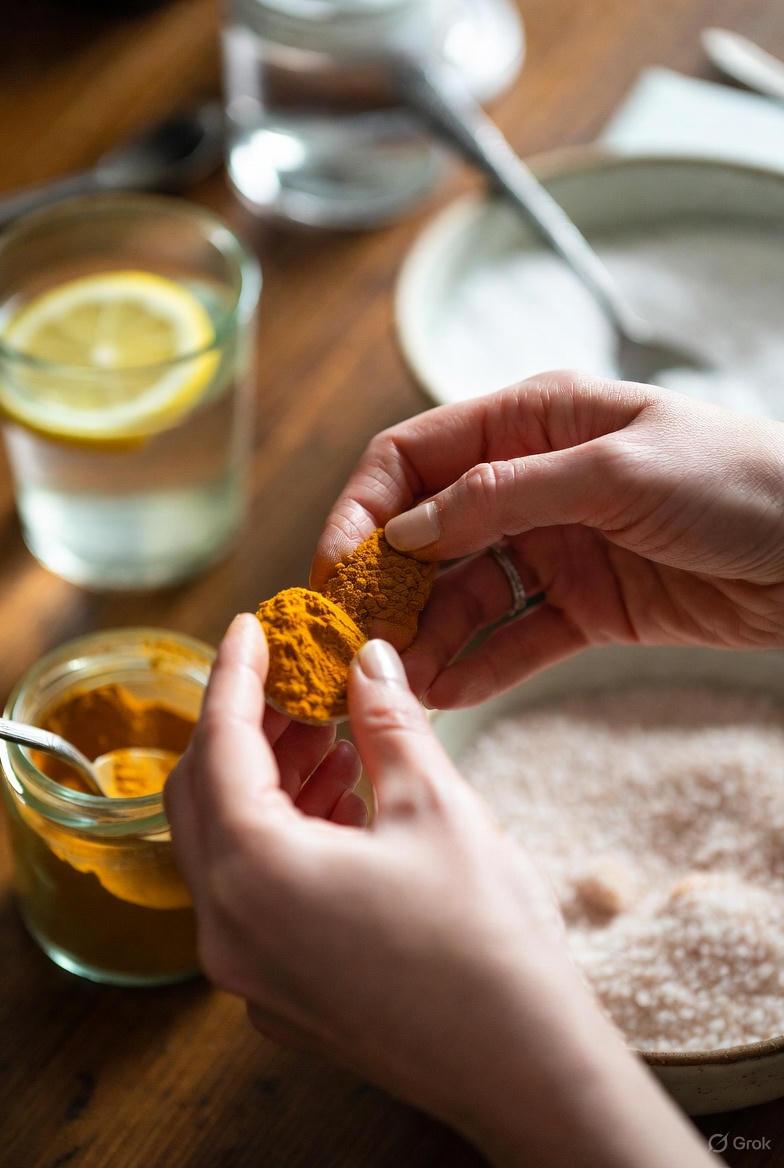
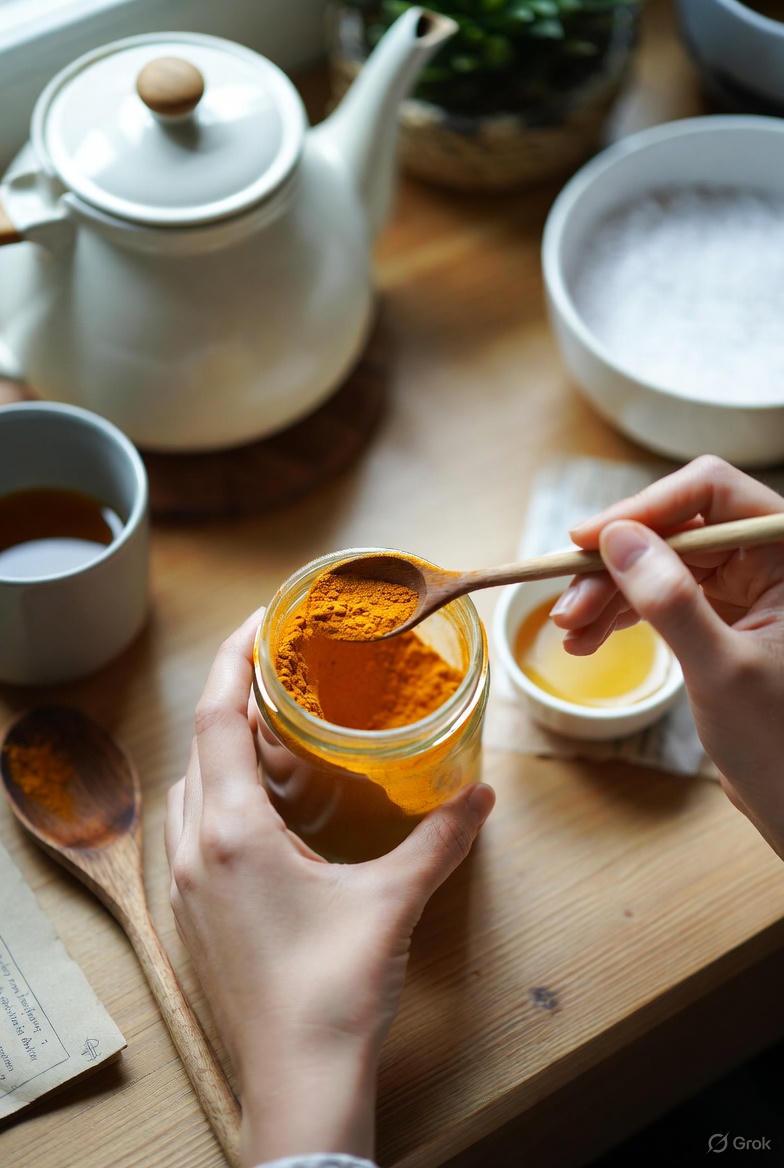
Turmeric contains a compound called curcumin that studies suggest may help the body manage inflammation naturally. A review in Arthritis Research & Therapy highlighted its potential role in joint health.
Simple way to try it:
- Mix ½ teaspoon of turmeric powder into warm water or milk
- Add a pinch of black pepper for better absorption
- Enjoy one cup each morning
Many find the gentle warmth soothing and easy to make part of their routine.
2. Add Fresh Ginger to Meals or Drinks
Ginger’s natural compounds, like gingerol, have been studied for supporting healthy circulation and comfort. Research in the Journal of Pain Research noted promising effects.
Easy ideas:
- Grate fresh ginger into hot water for tea
- Slice it into stir-fries or smoothies
- Steep a few pieces in warm water throughout the day
The mild spicy flavor adds variety without much effort.
3. Include Omega-3-Rich Foods Regularly
Foods such as salmon, walnuts, chia seeds, and flaxseeds provide omega-3 fatty acids. A review in Nutrients suggested these healthy fats may help maintain joint flexibility.
Practical tips:
- Aim for fatty fish twice a week
- Sprinkle ground flaxseed on oatmeal or yogurt
- Keep a small handful of walnuts as a snack
These foods fit easily into meals most people already enjoy.
4. Try Relaxing Epsom Salt Soaks
Epsom salts contain magnesium, which may help relax muscles around joints. Many people find warm soaks calming in the evening.
How to do it:
- Add 1–2 cups of Epsom salts to a warm bath
- Soak for 15–20 minutes
- Repeat 2–3 times per week
It’s a simple way to unwind after a busy day.
5. Sip Tart Cherry Juice Daily
Tart cherries are packed with antioxidants called anthocyanins. Studies in the Journal of Functional Foods have explored their potential benefits for comfort.
Suggestions:
- Drink 8–10 ounces of unsweetened 100% tart cherry juice
- Enjoy it chilled or gently warmed
- Choose versions without added sugar
The tangy taste grows on many people quickly.
6. Practice Gentle Yoga or Stretching
Light movement helps improve circulation and range of motion. A study in the Journal of Clinical Rheumatology found gentle yoga supportive for daily comfort.
Beginner-friendly options:
- Cat-cow pose
- Seated forward fold
- Child’s pose
- 10–15 minutes most days
Always move slowly and stop if anything feels uncomfortable.
7. Enjoy Homemade or Quality Bone Broth
Bone broth provides collagen and amino acids that research links to cartilage support. A review in Nutrition Journal discussed collagen’s role in joint health.
Ways to include it:
- Simmer bones with herbs and vegetables for several hours
- Or choose reputable store-bought versions
- Sip a warm cup in the evening
The savory flavor feels nourishing on cooler days.
8. Drink Green Tea Throughout the Day
Green tea contains catechins, antioxidants studied for reducing oxidative stress. Research in the American Journal of Clinical Nutrition showed interesting potential.
Tips for enjoyment:
- Brew for 1–2 minutes to keep it mild
- Aim for 2–3 cups daily
- Opt for plain or lightly flavored varieties
It can become a peaceful daily ritual.
9. Use Warm Olive Oil for Gentle Massage
Extra-virgin olive oil contains oleocanthal, a compound with properties similar to some natural anti-inflammatory agents. Light massage also boosts circulation.
How to try:
- Slightly warm a small amount of oil
- Gently massage into stiff areas for 5–10 minutes
- Do this before bed for extra relaxation
The smooth feel is simple and luxurious at home.
10. Consider Boswellia Supplements
Boswellia serrata, also known as Indian frankincense, has been used traditionally for centuries. Recent reviews in Phytomedicine note its boswellic acids may support joint function.
Things to know:
- Look for standardized extracts
- Follow package directions
- Always check with your doctor first
It’s gaining attention as a natural option worth exploring.
Quick Comparison of the 10 Habits
| Habit | Best For | Ease of Starting |
|---|---|---|
| Turmeric Tea | Morning ritual | Very easy |
| Fresh Ginger | Adding flavor to meals | Very easy |
| Omega-3 Foods | Everyday eating | Easy |
| Epsom Salt Soaks | Evening relaxation | Easy |
| Tart Cherry Juice | Refreshing drink | Very easy |
| Gentle Yoga | Active mobility | Moderate |
| Bone Broth | Nourishing warmth | Moderate |
| Green Tea | Multiple daily cups | Very easy |
| Olive Oil Massage | Hands-on relief | Easy |
| Boswellia | Supplement support | Easy (with guidance) |
A Simple 7-Day Plan to Begin
Days 1–3: Choose 2–3 of the easiest options, like turmeric tea and green tea.
Days 4–5: Add an evening habit, such as an Epsom soak or olive oil massage.
Days 6–7: Include gentle stretching and one more food choice.
Consistency matters more than doing everything at once. Start small and build gradually.
Here’s the combination many people find especially helpful: sipping turmeric tea (with that pinch of black pepper) alongside tart cherry juice. It’s an effortless pairing worth trying.
Final Thoughts
Small, consistent habits can add up to noticeable differences in daily joint comfort over time. Pick the ones that feel most doable for you and give them a fair try. Everyone responds differently, so patience and listening to your body are key.
Frequently Asked Questions
- How long before I might notice any difference with these habits?
Most people give new routines 1–4 weeks to see how their body responds, as effects vary. - Is it okay to try several habits at the same time?
Yes—many start with 2–3 and gradually add more as they become comfortable. - Are there foods that might make stiffness worse for some people?
Some notice that cutting back on processed foods or added sugars helps, but individual experiences differ.
Disclaimer: This information is for educational purposes only and is not medical advice. Please consult your healthcare provider before starting any new habits, especially if you have existing health conditions or take medications.


