Many women notice small differences in their breasts from time to time and think little of it. These changes might seem minor—like a slight asymmetry or skin texture shift—and it’s easy to attribute them to everyday factors such as hormonal fluctuations, aging, or even a new workout routine. But sometimes, these quiet shifts can point to something more serious that deserves attention sooner rather than later.
The reality is that breast cancer affects about 1 in 8 women in the U.S. over their lifetime, with an estimated 316,950 new invasive cases expected in 2025 according to recent projections. The good news? When noticed early, outcomes are often excellent. Yet many changes go overlooked until later.
In this guide, we’ll explore some of the less obvious signs that women sometimes dismiss—and share practical steps to stay aware. Keep reading to learn a simple monthly habit that could make all the difference.
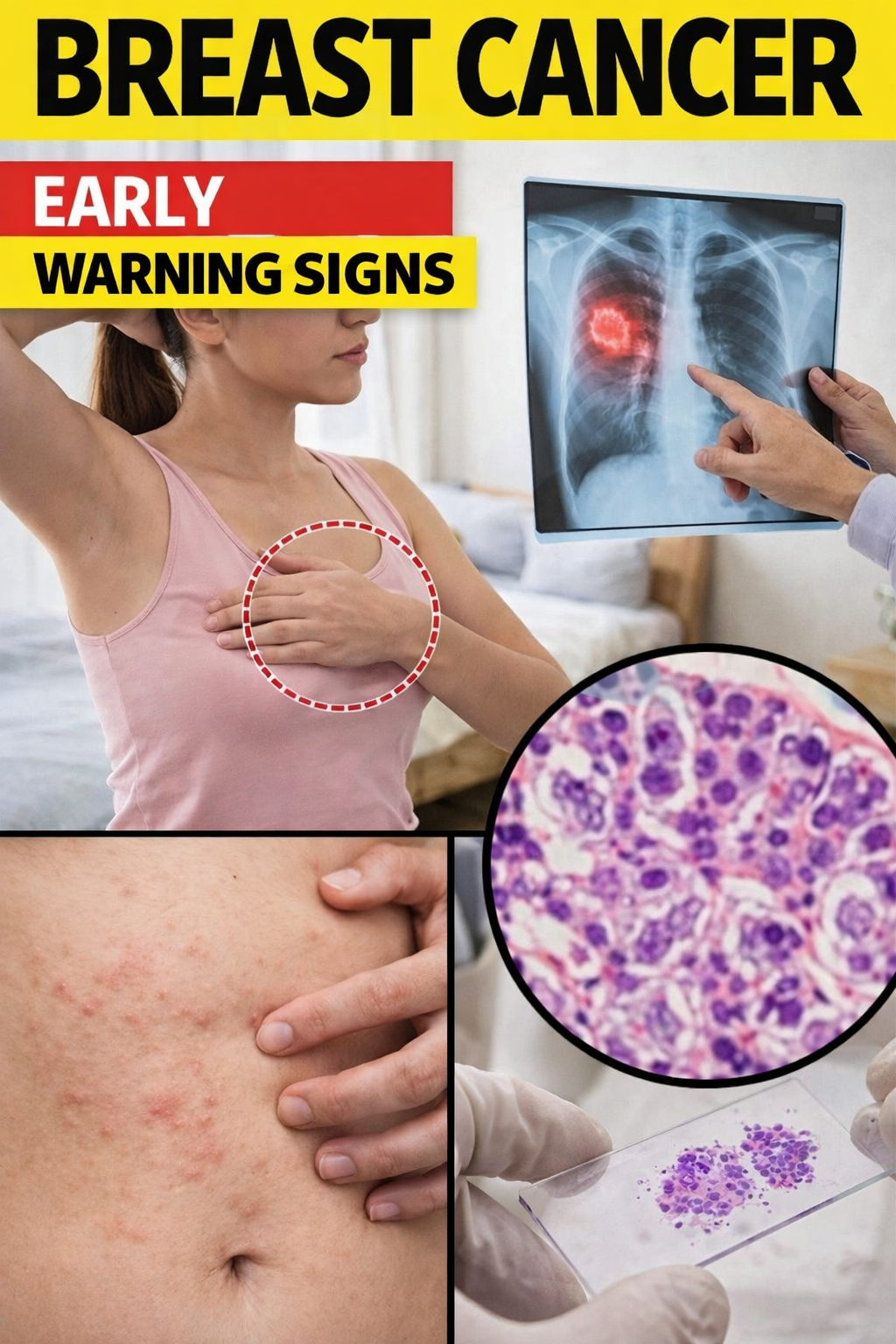
Why Early Awareness of Breast Changes Is So Important
Breast cancer doesn’t always announce itself with dramatic symptoms. Research from organizations like the American Cancer Society shows that many cases are found through routine awareness or screening before any noticeable issues arise.
But when changes do appear, paying attention early can bridge the gap between screenings. Studies indicate that localized breast cancer (confined to the breast) has a 5-year relative survival rate of over 99%. As it advances, that rate decreases—but early action helps keep it in the favorable category.
The key is knowing your normal. Every woman’s breasts are unique, and what feels or looks typical for you might differ from someone else. Familiarity makes it easier to spot anything new or persistent.
But that’s not all—certain changes are more commonly overlooked than others. Let’s dive into them.
10 Breast Changes Women Often Overlook (But Shouldn’t Ignore)
Here are some subtle signs that research and medical experts highlight as worth checking. Remember, most breast changes are not cancer—common causes include hormonal shifts, infections, or benign conditions. But if something persists for more than a few weeks, it’s wise to consult a healthcare provider.
- Unexplained asymmetry or one breast feeling heavier: One side suddenly appearing larger or feeling fuller without a clear reason, like weight changes. Studies note this can be an early clue in some cases.
- Skin texture changes, like dimpling or “orange peel” appearance: Small pits or puckering on the breast skin, caused by underlying tissue shifts.
- Persistent redness, itching, or rash on one area: Especially if it doesn’t respond to usual creams and stays on one breast only.
- A firm area that feels different from surrounding tissue: It might be small, painless, and not easily movable—unlike typical cysts.
- New breast or nipple discomfort unrelated to your cycle: Constant ache in one spot that lingers for weeks.
- Swelling or warmth in part or all of the breast: Even without a distinct lump, the breast might feel tight or fuller.
- Nipple turning inward (if it wasn’t before): A sudden inversion or flattening.
- Flaky, thickened, or crusted skin on the nipple or areola: Resembling eczema but limited to one side.
- Unusual nipple discharge: Especially if it’s spontaneous, clear, bloody, or from one breast only.
- Swollen lymph nodes under the arm or near the collarbone: A new, firm node that appears without infection.
These signs are drawn from guidelines by the American Cancer Society and Mayo Clinic. Not everyone experiences them, and many have no symptoms at all—which is why regular screenings matter.
Here’s a quick comparison of common vs. less common signs:
| Sign Type | How Often Noted as First Clue | Example Sources |
|---|---|---|
| Classic lump | Most common (~80%) | American Cancer Society |
| Skin changes (dimpling/redness) | Less common (~20%) | Mayo Clinic, BreastCancer.org |
| Nipple changes/discharge | Varies | Multiple studies |
| Swelling without lump | Rare but notable | Inflammatory types |
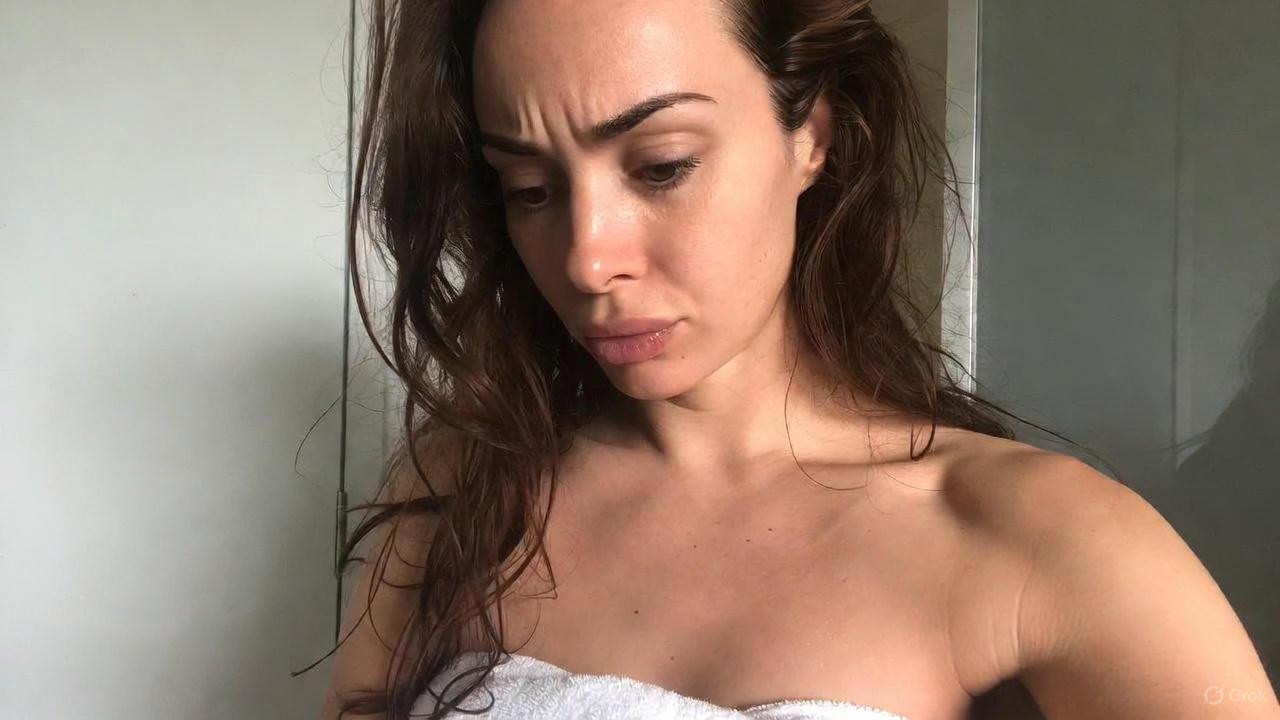
Understanding Inflammatory Breast Cancer: A Less Common but Aggressive Form
One type that often flies under the radar is inflammatory breast cancer (IBC). It accounts for 1-5% of cases but progresses quickly.
Signs include rapid redness, swelling, warmth, and heaviness—often mistaken for an infection. There’s usually no lump, which delays awareness.
If your breast suddenly looks inflamed and doesn’t improve with typical remedies, seek prompt evaluation. Early specialist input is key here.
Simple Steps to Check Your Breasts at Home
You don’t need fancy tools—just a few minutes monthly. Here’s an easy routine recommended by experts:
- Stand in front of a mirror: Arms at sides, then raised. Look for visible changes in shape, size, or skin.
- Lie down and feel each breast: Use the pads of your fingers in circular motions, covering the whole area up to the collarbone and armpit.
- Check while showering: Soapy hands make it easier to feel differences.
- Note any new findings: Track with photos or notes if helpful.
- Schedule regular screenings: Mammograms starting at age 40 (or earlier if high risk) complement self-awareness.
Do this around the same time each month, like after your period when breasts are less tender.
The truth is, this habit empowers you. Many women find peace of mind—and occasionally, early clues—through consistent checks.
What to Do If You Notice a Change
Don’t panic, but don’t delay:
- Contact your doctor promptly for an exam.
- Request imaging if needed (mammogram, ultrasound—note that some types like IBC may need specific tests).
- Share your family history; it can guide next steps.
Most changes turn out benign, but professional evaluation provides clarity.
Frequently Asked Questions
At what age should I start paying attention to breast changes?
Awareness is valuable at any age, but guidelines recommend monthly self-checks starting in your 20s, with clinical exams every 1-3 years.
Do mammograms catch everything?
They’re excellent but not perfect—about 1 in 6 cancers may appear between annual screens. Self-awareness helps fill that gap.
Can men get breast cancer too?
Yes, though rarer (about 2,800 cases in men expected in 2025). Similar signs apply.
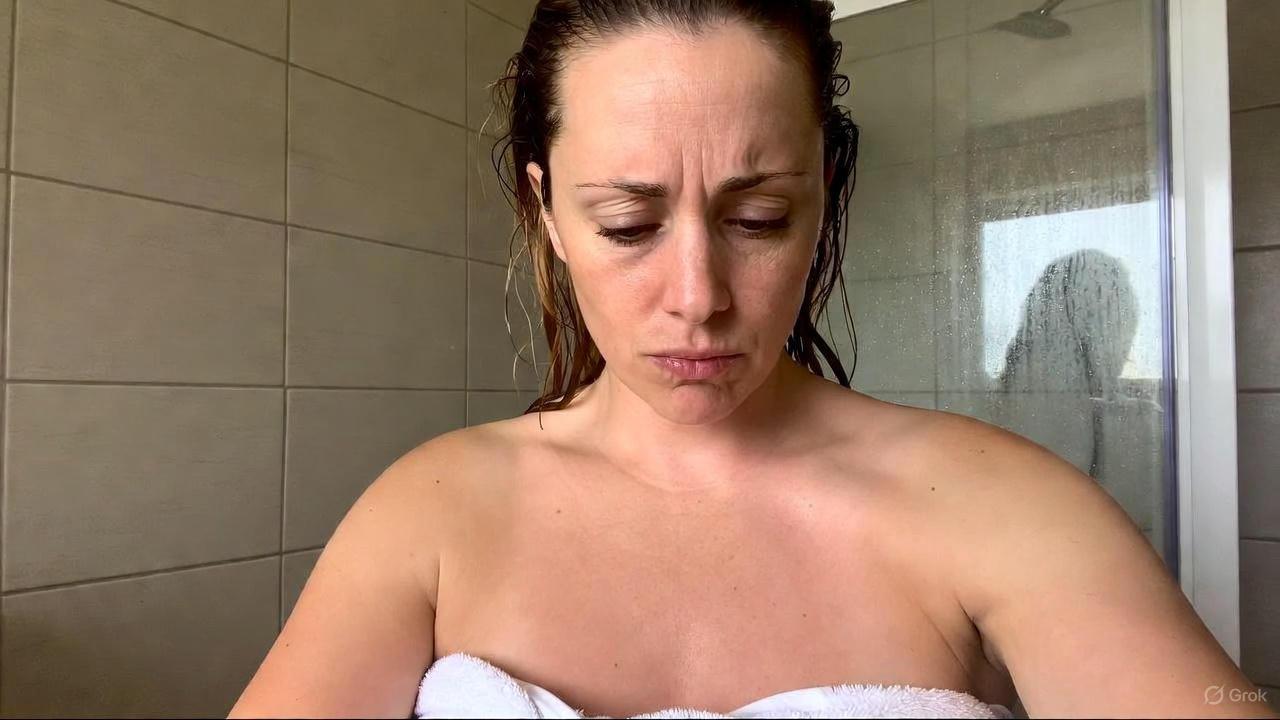
Final Thoughts
Knowing your breasts and noticing persistent changes can be a powerful tool alongside screenings. You’re now equipped with practical knowledge to stay proactive.
Tonight, take a moment for that quick check. And share this with the women in your life—awareness multiplies when we look out for each other.
This article is for informational purposes only and is not a substitute for professional medical advice. Always consult your healthcare provider if you notice any breast changes or have concerns. Early evaluation offers the best outcomes.
(Word count: approximately 1,350)