
Many people notice small memory slips or mood changes as they age and brush them off as normal. These subtle shifts can sometimes point to the beginning stages of cognitive decline, including dementia. While occasional forgetfulness is common, patterns that disrupt daily life deserve attention. Research from organizations like the Alzheimer’s Association shows that recognizing these signs early opens the door to lifestyle adjustments that support overall brain health.
But here’s the encouraging part: studies, including reports from the Lancet Commission, suggest that addressing certain modifiable factors through everyday habits may help lower dementia risk significantly. Keep reading to discover the often-missed signs and practical steps you can take right now – the most surprising benefit might be waiting at the end.
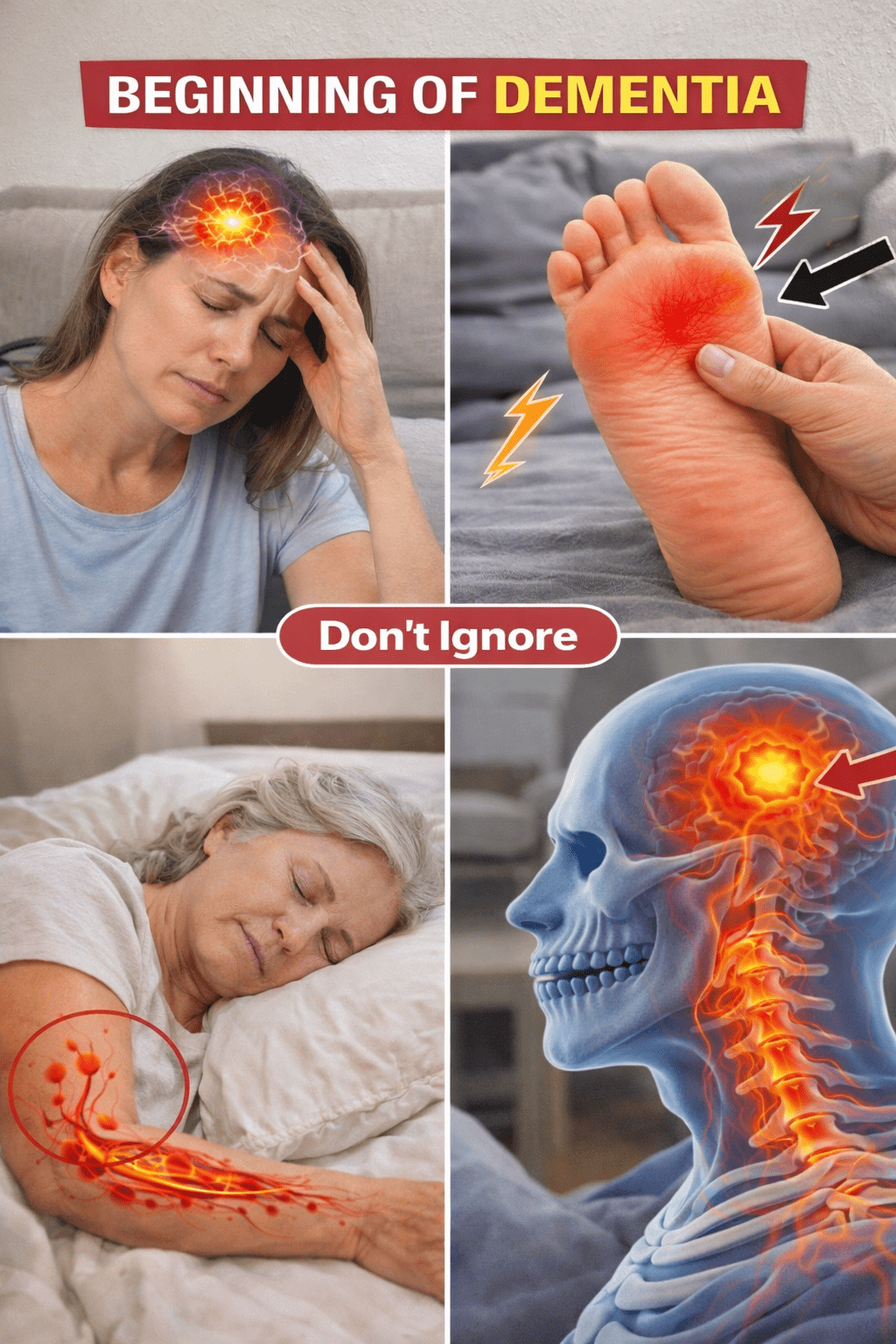
Why Spotting Early Changes Matters More Than You Think
Dementia develops gradually, and its earliest clues often hide in plain sight. By the time more noticeable issues appear, opportunities for supportive habits may be reduced. Early awareness doesn’t mean assuming the worst – it means empowering yourself with information.
Experts emphasize that while age is the biggest risk factor, dementia isn’t an inevitable part of getting older. Many elements influencing brain health are within our control. Understanding subtle signs allows for timely conversations with healthcare providers and positive lifestyle shifts.
The 10 Subtle Early Signs Often Overlooked
These signs, drawn from reliable sources like the Alzheimer’s Association, don’t confirm any condition on their own. They can stem from stress, medications, or other causes. The key is noticing if they persist or worsen over time.
- Memory lapses that affect daily routines Forgetting recent conversations or repeating questions without realizing it goes beyond occasionally misplacing keys.
- Challenges finding the right words Frequent pauses in conversation or substituting incorrect words, making communication feel more effortful.
- Difficulty with planning or familiar tasks Struggling to follow a well-known recipe or manage household bills that were once straightforward.
- Confusion about time or familiar locations Losing track of dates or feeling disoriented in places you’ve known for years.
- Trouble with visual or spatial awareness Misjudging distances, having difficulty reading, or noticing changes in contrast and depth.
- Misplacing items without being able to retrace steps Putting things in unusual spots and unable to find them through normal searching.
- Poor judgment in decisions Making uncharacteristic choices with money or personal care that seem out of character.
- Withdrawal from social or work activities Pulling back from hobbies, friends, or conversations because they feel overwhelming.
- Mood or personality shifts Increased irritability, anxiety, suspicion, or apathy that differs from usual patterns.
- Changes in sleep patterns Frequent waking, vivid dreams, or restlessness that impacts rest and daily energy.
If several of these sound familiar, it’s wise to discuss them with a doctor. Early evaluation can rule out reversible causes and guide supportive steps.

How Everyday Habits Can Support Brain Health
The good news? Research highlights up to 14 modifiable factors that may influence dementia risk. Addressing even a few through consistent habits can make a meaningful difference.
Studies show that combining physical activity, healthy eating, and mental engagement supports cognitive function. Here’s a quick overview of evidence-based habits:
- Stay physically active – Regular movement improves blood flow to the brain.
- Eat nutrient-rich foods – Focus on vegetables, fruits, whole grains, fish, and healthy fats (like the Mediterranean or MIND diet patterns).
- Prioritize quality sleep – Consistent rest helps the brain clear toxins and consolidate memories.
- Stay socially connected – Regular interactions build cognitive reserve and reduce isolation.
- Challenge your mind – Learning new skills, puzzles, or hobbies keeps neural pathways active.
- Manage health conditions – Keep blood pressure, cholesterol, blood sugar, and weight in check.
- Limit alcohol and avoid smoking – These reduce harm to brain blood vessels.
But that’s not all – small, layered changes often bring the biggest impact.
A Simple 30-Day Starter Plan to Build Brain-Supportive Habits
Start small to avoid overwhelm. Track how you feel each week – many notice improved focus or mood along the way.
Week 1: Focus on movement and nutrition Add daily walks (even 20-30 minutes) and include more vegetables and fruits in meals. This boosts circulation and provides essential nutrients.
Week 2: Add mental and social stimulation Try a new puzzle, read something challenging, or call a friend regularly. Social ties strengthen brain connections.
Week 3: Improve sleep and reduce stress Set a consistent bedtime routine and practice relaxation like deep breathing. Good sleep supports brain repair.
Week 4: Combine and refine Layer all habits together. Adjust based on what feels sustainable for you.
These steps are flexible – choose what fits your life.

Real-Life Benefits of Supporting Brain Health
People who adopt these habits often report sharper focus, steadier mood, better balance, and stronger social connections. Many feel more in control, which reduces worry. The ultimate goal? Maintaining independence and enjoying life longer.
Frequently Asked Questions
What’s the difference between normal aging and early dementia signs? Normal aging might involve forgetting a name but recalling it later. Persistent disruptions in daily life, like repeating questions or getting lost in familiar places, warrant attention.
Is it ever too late to start brain-healthy habits? No – research shows benefits at any age. Midlife changes often have the strongest impact, but starting now supports cognitive health.
When should I see a doctor about these signs? If you notice multiple persistent changes, consult a healthcare provider. Early discussions lead to better options and peace of mind.
This article is for informational purposes only and is not a substitute for professional medical advice. Always consult a qualified healthcare provider for personalized guidance regarding health concerns.


