
Many of us notice small changes in memory or thinking as we age, and it’s easy to brush them off as normal. But when these changes start interfering with daily life, it can feel worrying and overwhelming, leaving you wondering if something more serious is going on. The good news is that recognizing these subtle shifts early can open doors to better understanding and support. And toward the end of this article, I’ll share some practical everyday habits that research suggests may help maintain brain health longer than you might expect.
Dementia isn’t a normal part of aging—it’s a collection of symptoms caused by various brain conditions, with Alzheimer’s being the most common. According to organizations like the Alzheimer’s Association, early detection matters because it allows for planning, support, and exploring options that can improve quality of life.
But that’s not all… Many overlook these signs until they become more obvious. Let’s dive into 10 commonly missed early indicators, based on insights from reputable sources like the Alzheimer’s Association and Mayo Clinic.
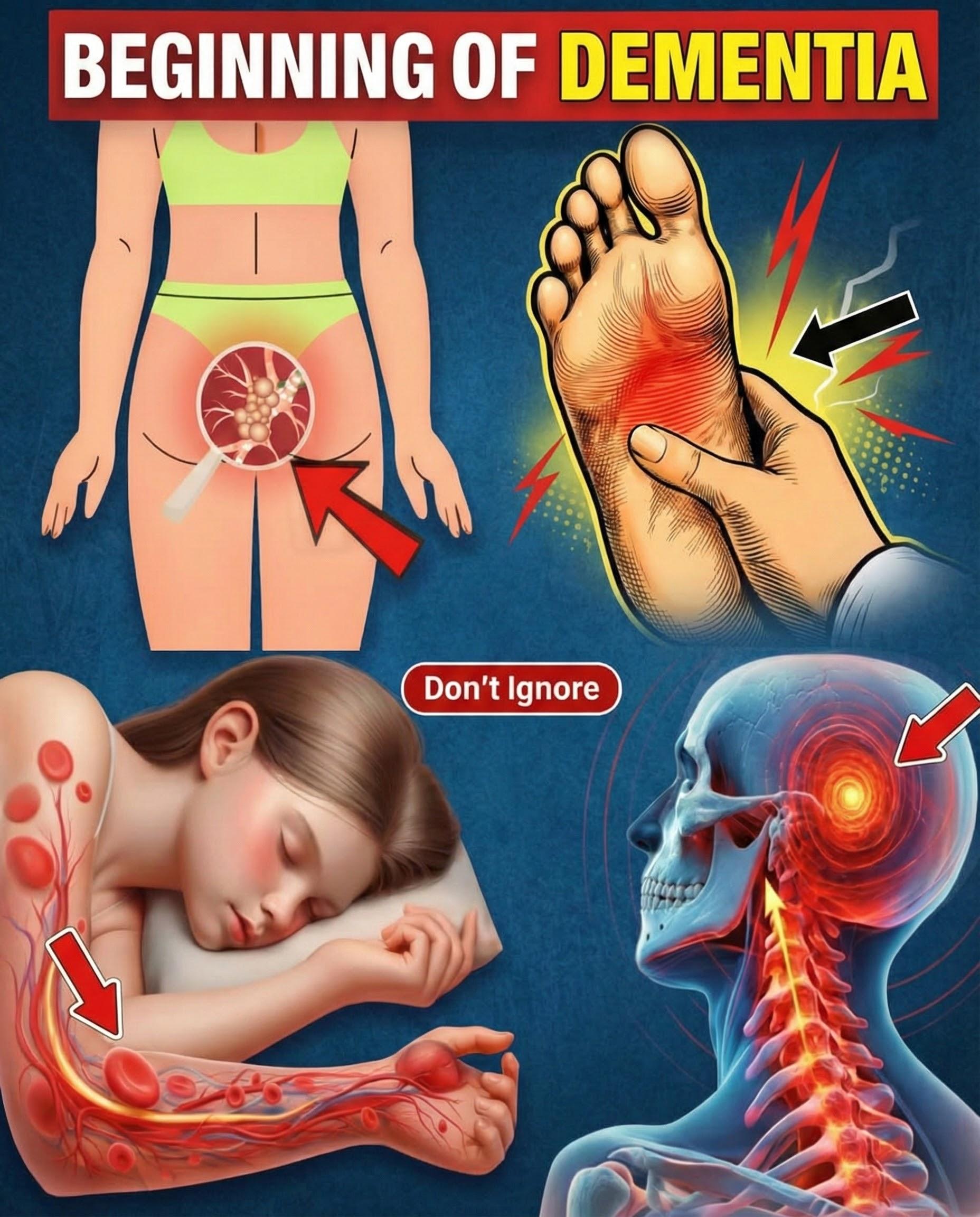
1. Memory Loss That Disrupts Daily Life
One of the most frequent early signs is forgetting recently learned information, like important dates or events, and asking for the same information repeatedly.
Research shows this differs from typical age-related changes, such as occasionally forgetting names but remembering them later.
If this happens often, it might be worth noting.
2. Challenges in Planning or Solving Problems
Some people notice trouble following familiar plans, like managing finances or following a recipe they’ve used for years.
Studies indicate this can stem from changes in executive function in the brain.
The interesting part? Many dismiss it as stress, but tracking patterns can help.
3. Difficulty Completing Familiar Tasks
Struggling with everyday activities, such as driving to a known location or organizing a grocery list, can be an early clue.
This isn’t about occasional distractions—it’s when tasks that were once routine become confusing.
4. Confusion with Time or Place
Losing track of dates, seasons, or the passage of time is common early on.
People might get lost in familiar neighborhoods or forget how they got somewhere.
Here’s what’s key: This goes beyond momentarily forgetting the day of the week.
5. Trouble Understanding Visual Images and Spatial Relationships
New problems with reading, judging distance, or determining color contrasts can occur.
This might lead to issues like difficulty driving or increased tripping.
Research from the Alzheimer’s Association highlights this as a distinct sign.
6. New Problems with Words in Speaking or Writing
Struggling to join conversations, stopping mid-sentence without knowing how to continue, or repeating themselves.
They might call things by the wrong name, like “that thing for writing” instead of “pen.”
But remember, everyone has occasional word-finding issues—this is when it becomes frequent.
7. Misplacing Things and Losing the Ability to Retrace Steps
Putting items in unusual places and being unable to go back over steps to find them.
This differs from temporarily misplacing keys and finding them later.
8. Decreased or Poor Judgment
Changes in decision-making, like giving away money unusually or paying less attention to grooming.
Studies suggest this can be linked to frontal lobe changes in the brain.

9. Withdrawal from Work or Social Activities
Pulling away from hobbies, social events, or projects due to changes in ability.
Many feel frustrated and isolate themselves without realizing why.
The truth is, staying engaged can make a big difference.
10. Changes in Mood and Personality
Becoming confused, suspicious, depressed, fearful, or anxious more easily.
Shifts like becoming unusually upset in familiar situations can appear early.
Research shows mood changes often overlap with other conditions, so professional input helps clarify.
These signs don’t mean dementia is definite—many reversible causes, like medication side effects or vitamin deficiencies, can mimic them. That’s why consulting a doctor is crucial if multiple signs appear.
Practical Everyday Habits to Support Brain Health
While no habit guarantees prevention, research from sources like the Lancet Commission on dementia suggests certain lifestyle choices may reduce risk or delay onset for many people.
Here are actionable steps you can start today:
- Stay physically active: Aim for 150 minutes of moderate exercise weekly, like brisk walking.
- Eat a balanced diet: Focus on fruits, vegetables, whole grains, lean proteins, and healthy fats (think Mediterranean-style eating).
- Keep your mind engaged: Try puzzles, reading, learning new skills, or social games.
- Prioritize sleep: Aim for 7-9 hours nightly with a consistent routine.
- Manage health conditions: Control blood pressure, cholesterol, and blood sugar through regular check-ups.
- Stay socially connected: Regular interactions with friends and family support cognitive resilience.
- Avoid smoking and limit alcohol: Both are linked to higher risks in studies.
Start small—one change at a time builds momentum.

Why Early Awareness Matters
Spotting these subtle signs early empowers you and your loved ones to seek evaluation, plan ahead, and access resources. Organizations like the Alzheimer’s Association offer free helplines and tools for next steps.
Frequently Asked Questions
What should I do if I notice these signs in myself or a loved one?
Schedule a visit with a primary care doctor for a thorough assessment. They can rule out other causes and refer to specialists if needed.
Is dementia the same as Alzheimer’s disease?
No—Alzheimer’s is the most common cause of dementia, but dementia describes a range of symptoms from various brain conditions.
Can these signs be reversed?
Some causes of cognitive changes, like certain medications or deficiencies, are treatable. For progressive types, early management can help maintain independence longer.
Disclaimer: This article is for informational purposes only and is not a substitute for professional medical advice, diagnosis, or treatment. Always consult a qualified healthcare provider with any questions about health concerns. Early evaluation by a doctor is recommended if changes are noticed.


