
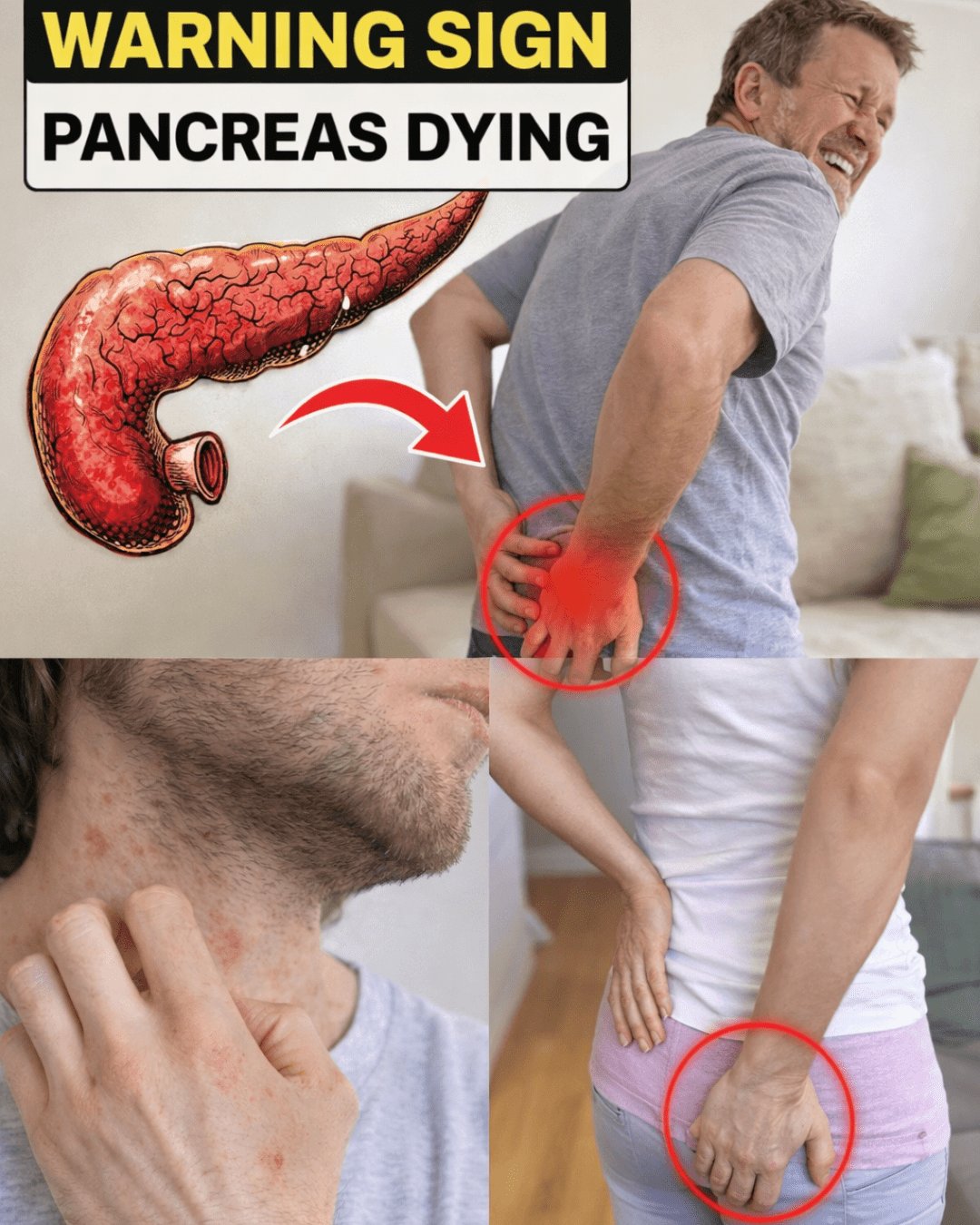
Pancreatic cancer remains one of the most challenging health concerns today, often progressing quietly until later stages. Many people experience vague digestive changes, unexplained fatigue, or gradual weight shifts that get brushed off as normal aging or minor issues. These overlooked signals can make a real difference when noticed early, yet most cases are found after the disease has advanced. But here’s the encouraging part: staying aware of your body’s patterns and knowing when to seek professional input can empower you to take proactive steps toward better health outcomes.
Why Pancreatic Cancer Is Often Called the “Silent” Disease
The pancreas sits deep in the abdomen, behind the stomach, making it hard for tumors to cause noticeable problems until they grow larger or affect nearby structures. Research from organizations like the American Cancer Society shows that symptoms usually appear only after the cancer has progressed, contributing to its reputation as a tough condition to detect early. Studies indicate that common signs are frequently linked to more benign causes, which is why awareness matters so much.
But that’s not the full picture. Understanding these patterns can help you recognize when something feels consistently “off” and discuss it with a healthcare provider.
Common Early Warning Signs to Be Aware Of
While no single symptom guarantees anything, certain changes tend to appear more often in people later diagnosed with pancreatic cancer. These are drawn from reliable sources such as Mayo Clinic, Cleveland Clinic, and the American Cancer Society. Here’s what experts highlight:
- Dark urine that doesn’t improve with hydration This can happen when a tumor blocks bile flow, allowing bilirubin to spill into the bloodstream and get filtered by the kidneys.
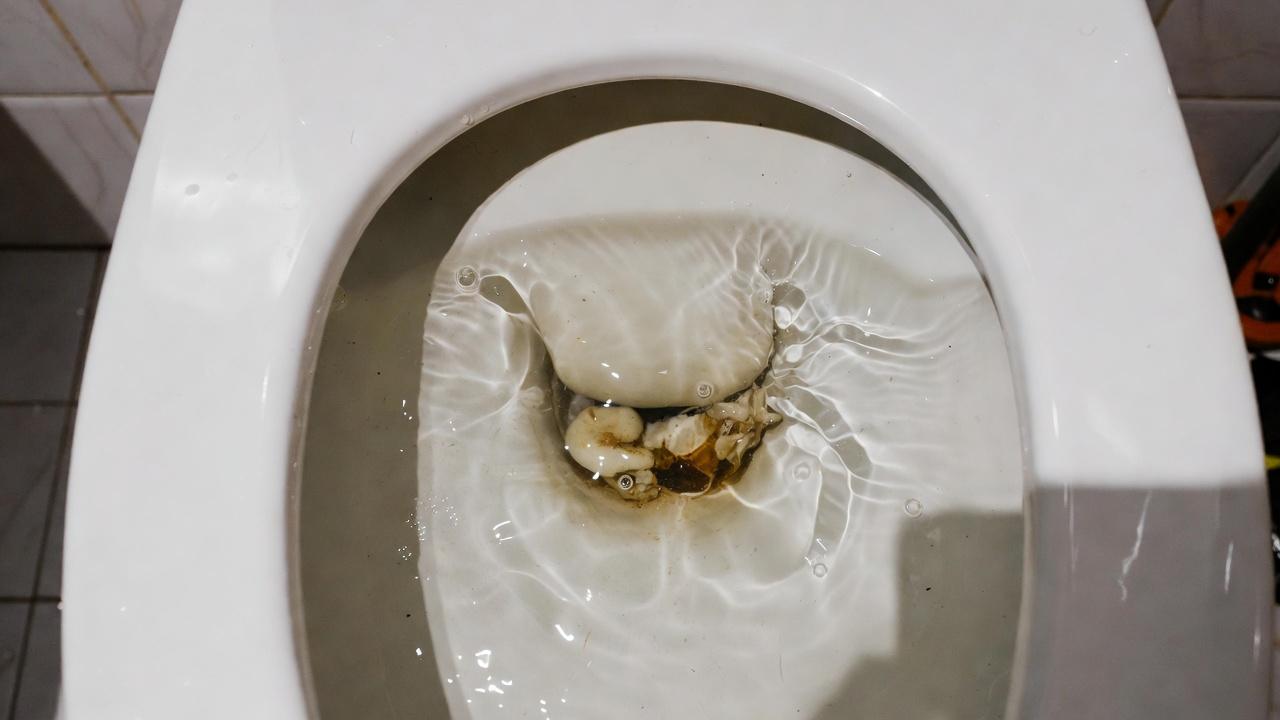
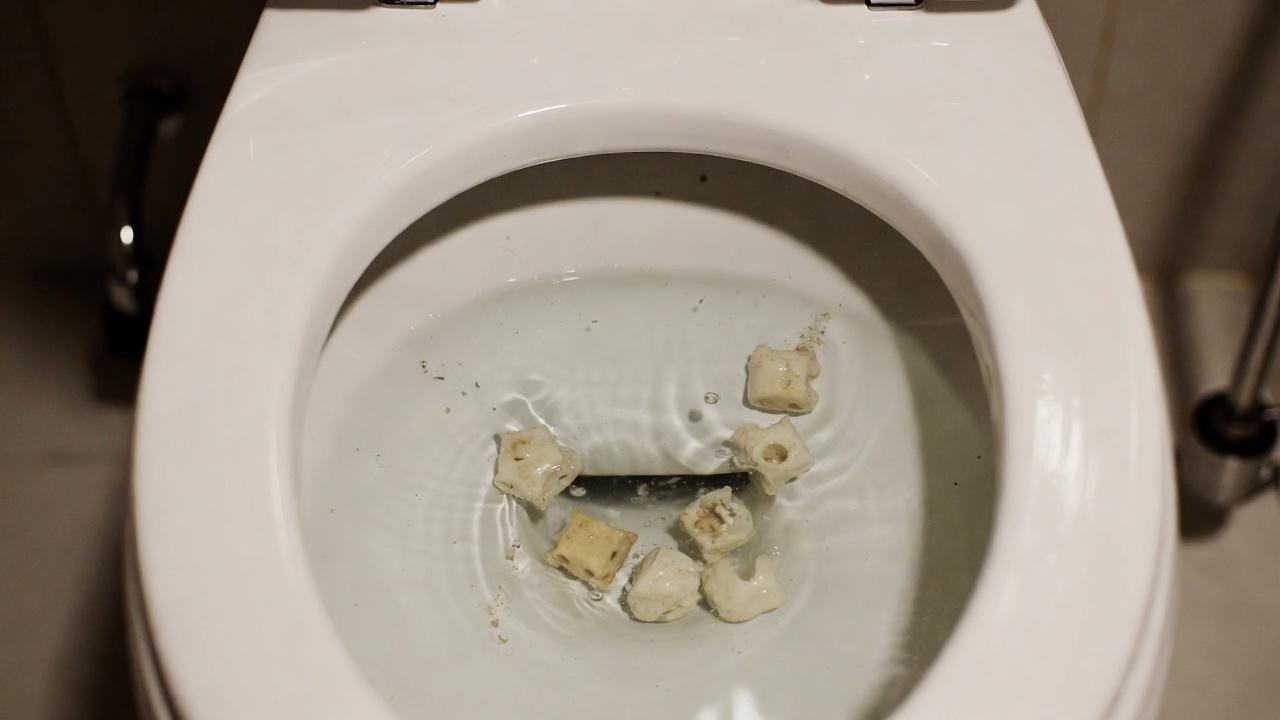
- Pale, greasy, or floating stools When the pancreas isn’t producing enough digestive enzymes, fats don’t break down properly, leading to oily or foul-smelling bowel movements.
- Yellowing of the skin or eyes (jaundice) Often linked to bile duct blockage, this can start subtly and become more noticeable over time.
- Persistent itching, especially on palms and soles Bile salts building up in the skin can cause intense itching without an obvious rash.
- Unexplained weight loss Losing pounds without trying, often alongside reduced appetite, is reported in many cases.
- Abdominal or mid-back pain A dull, gnawing discomfort that may worsen when lying down and ease when leaning forward.
- New or worsening fatigue Feeling unusually tired or weak, even without extra activity.
- Nausea or feeling full quickly Some people notice early satiety or random queasiness.
- New-onset diabetes or changes in blood sugar control Especially in adults over 50, sudden diabetes can sometimes be an early clue.
- Blood clots, such as in the leg Pancreatic cancer can increase clotting risk, leading to deep vein thrombosis in some instances.
These signs often overlap with other common conditions like gallstones, IBS, or acid reflux, so they’re not specific on their own. The key is noticing patterns or combinations that persist.
Risk Factors You Should Know
Certain lifestyle and health factors are linked to higher chances of pancreatic cancer, according to recent studies and reviews:
- Smoking (the most significant modifiable risk)
- Excess body weight or obesity
- Long-standing type 2 diabetes
- Chronic pancreatitis
- Family history or certain genetic conditions
The good news? Some of these can be addressed through everyday choices.
Here are practical steps many experts recommend to support overall pancreatic health:
- Quit smoking – risk drops significantly after stopping.
- Maintain a healthy weight through balanced eating and regular movement.
- Limit processed foods, added sugars, and red/processed meats.
- Include plenty of fruits, vegetables (especially cruciferous ones like broccoli), and whole grains.
- Stay active with at least 150 minutes of moderate exercise weekly.
- Get regular check-ups, especially if you have diabetes or a family history.
Small, consistent habits like these can contribute to better well-being over time.
When to Talk to Your Doctor
If you notice 2 or more of the signs mentioned persisting for weeks, don’t wait. Bring a list of your symptoms, including how long they’ve lasted and any patterns. Your provider might suggest blood tests, imaging like a CT scan, or referral to a specialist. Early conversations often lead to quicker clarity and peace of mind.
Final Thoughts
Paying attention to subtle body changes isn’t about fear – it’s about empowerment. Pancreatic cancer is serious, but knowledge helps you act thoughtfully. Track how you feel, make supportive lifestyle adjustments, and prioritize professional guidance when needed.
Frequently Asked Questions
What are the most common early symptoms of pancreatic cancer? The most frequently mentioned include unexplained weight loss, abdominal or back pain, jaundice, dark urine, pale stools, and fatigue. These often develop gradually.
Can lifestyle changes lower the risk of pancreatic cancer? Yes, avoiding smoking, maintaining a healthy weight, eating a balanced diet rich in plants, and staying active are associated with lower risk in studies.
Is there a screening test for pancreatic cancer for average-risk people? Routine screening isn’t recommended for the general population due to the disease’s rarity, but high-risk individuals (family history, genetic factors) may benefit from specialized monitoring.
Disclaimer: This article is for informational purposes only and is not a substitute for professional medical advice. If you have any concerning symptoms, please consult a qualified healthcare provider promptly for proper evaluation and guidance.


