You’re getting dressed one day and notice a small change in your breast that wasn’t there before. It might seem minor, but that quiet worry lingers in the back of your mind. Many women experience breast changes from time to time, often linked to everyday factors like hormones or aging. Yet some of these shifts can point to something more serious that deserves attention sooner rather than later. The good news? Spotting changes early can make a real difference—and there’s one simple habit at the end of this guide that many women overlook but could change everything.
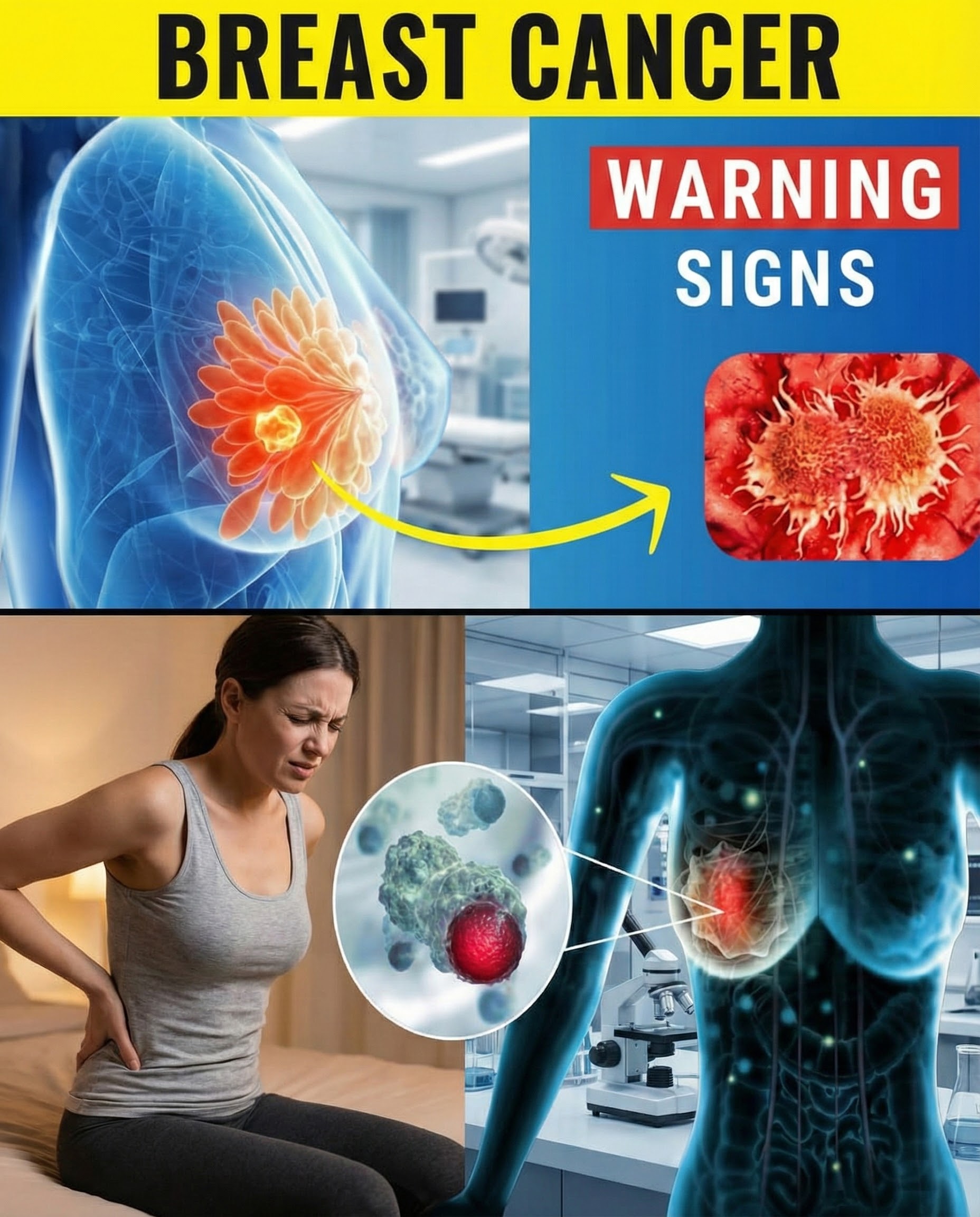
Why Paying Attention to Breast Changes Matters
Breast cancer is one of the most common cancers affecting women worldwide. Research shows that when detected in its localized stage—before it has spread—the 5-year relative survival rate is around 99%, according to data from organizations like the American Cancer Society.
But here’s the reality: Early breast cancer often doesn’t cause obvious symptoms. Many changes are subtle and easy to dismiss as normal. That’s why knowing your body and noticing what’s new or persistent is so valuable.
Studies indicate that becoming familiar with how your breasts normally look and feel can help you spot unusual shifts more quickly. This awareness, combined with regular screenings, supports better outcomes.
The 10 Warning Signs to Watch For
Not every change means something serious—most breast lumps and shifts turn out to be benign. But certain signs warrant a conversation with your healthcare provider. Let’s go through them one by one.
1. A New Lump or Thickened Area in the Breast or Underarm
A lump is the most recognized sign, but not all lumps are concerning. Many are cysts or fibroadenomas, which are non-cancerous.
However, a new, painless, hard lump with irregular edges—or one that feels different from the surrounding tissue—should be checked. It might feel firm and fixed in place.
Research from sources like Mayo Clinic notes that while most lumps aren’t cancer, any persistent new one deserves evaluation.
2. Changes in Breast Size, Shape, or Contour
Breasts naturally vary slightly between sides, and they can fluctuate with your cycle or weight changes.
But a sudden, unexplained swelling, flattening, or asymmetry on one side could be noteworthy. Your bra might fit differently without a clear reason.
This can happen when internal tissue shifts, so note if it doesn’t resolve over time.
3. Skin Dimpling, Puckering, or Texture Changes
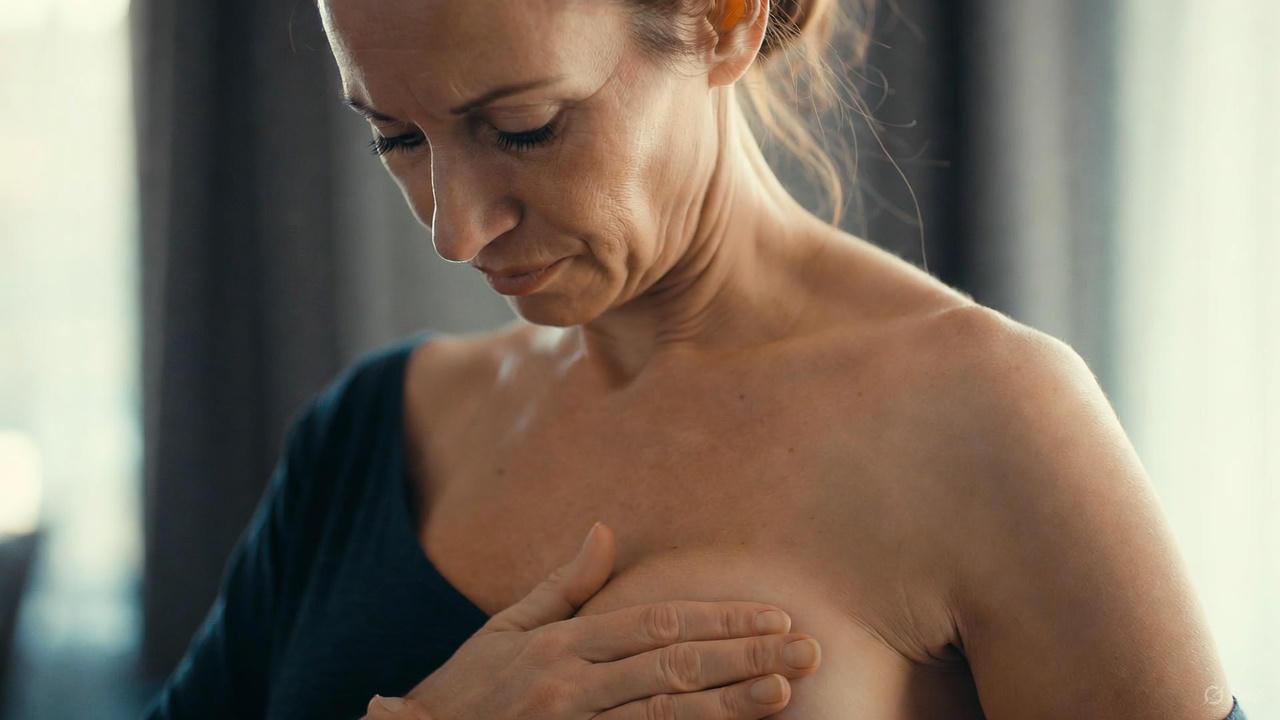
Sometimes skin on the breast looks indented, like the peel of an orange (known as peau d’orange).
This can occur from lymphatic changes beneath the surface. It might appear pitted or tightened.
But that’s not all—redness, rash, or unusual thickening could also show up. Compare both sides in good light to spot differences.
4. Nipple Inversion or Retraction
Some people naturally have inverted nipples, which is completely normal.
A new change where the nipple turns inward or flattens, especially if it’s on one side only, is worth noting.
This might develop gradually as underlying tissue pulls.
5. Unusual Nipple Discharge
Clear or milky discharge can happen due to hormones, especially during certain life stages.
But spontaneous discharge that’s bloody, clear and sticky, or from one breast only—particularly without squeezing—should prompt a check.
It might stain clothing or appear without cause.
6. Persistent Pain in One Area
Breast tenderness is common around your period or from caffeine, exercise, or bras.
Yet ongoing pain in a specific spot, unrelated to your cycle, or feeling like a deep ache, deserves attention.
Some types, like inflammatory breast cancer, can cause warmth or burning.
7. Redness, Warmth, or Swelling of the Skin
Skin might look inflamed or feel warmer, sometimes mimicking an infection.
In rare cases, this relates to faster-growing types without a distinct lump.
If it doesn’t improve quickly, it’s better to get it evaluated.
8. Scaling, Flaking, or Crusting on the Nipple or Areola
Dryness or itching here can stem from eczema or irritation.
Persistent scaling, crusting, or sores that don’t heal with usual care could link to rarer forms like Paget’s disease.
This often affects one side and might itch or burn.
9. Swelling in the Armpit or Collarbone Area
Lymph nodes can swell from infections, but firm, persistent swelling here might indicate spread.
Feel gently for any new bumps that don’t go away.
Many overlook this since it’s outside the breast itself.
10. Unexplained Systemic Changes with Breast Symptoms
Fatigue or weight loss can have many causes.
When paired with other breast changes, though, they might connect to the body’s overall response.
The key is patterns—isolated fatigue is common, but combined with local signs, it’s worth mentioning.
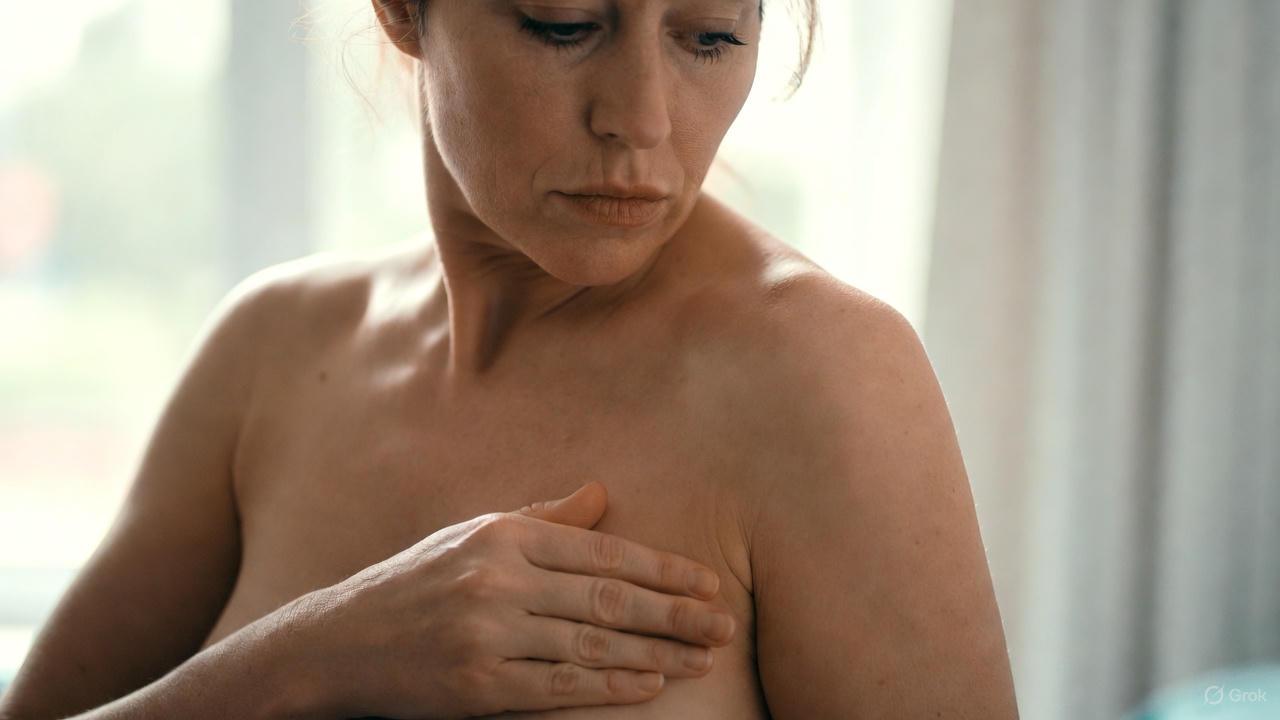
Common Breast Changes vs. Ones That Deserve Attention
It’s easy to wonder what’s typical. Here’s a quick comparison based on insights from reliable sources like the CDC and American Cancer Society:
| Type of Change | Common Causes | Possible Concerning Signs |
|---|---|---|
| Lump or thickening | Cysts, fibroadenomas, hormonal shifts | Hard, irregular, painless, persistent |
| Pain or tenderness | Menstrual cycle, caffeine, exercise | Localized to one area, unrelated to cycle |
| Skin texture changes | Dry weather, irritation | Dimpling, orange-peel appearance, persistent redness |
| Nipple discharge | Hormones, pregnancy | Bloody, clear, spontaneous from one side |
| Size or shape shift | Weight changes, cycle fluctuations | Sudden asymmetry on one side |
Most changes fall into the common column, but persistence or combination is what matters most.
A Real Story of Early Awareness
Consider the many women who’ve shared experiences similar to this: One noticed subtle skin changes she almost ignored, thinking it was just dryness. A prompt check revealed early-stage changes, leading to timely care.
Stories like these highlight how tuning into your body can lead to positive steps forward.
Simple Steps You Can Take Today for Breast Awareness
You don’t need special tools—just consistency. Here’s a straightforward routine many experts suggest for getting familiar with your breasts:
- Step 1: Stand in front of a mirror with arms at your sides. Look for visible changes in shape, skin, or nipples.
- Step 2: Raise your arms overhead and check again for contour shifts or dimpling.
- Step 3: Lie down and use the pads of your three middle fingers to feel each breast in circular motions, covering the whole area with light, medium, and firm pressure.
- Step 4: Repeat while standing or in the shower, where skin is slippery.
- Step 5: Gently check underarms and up to the collarbone.
- Step 6: Do this monthly, ideally a few days after your period ends.
This takes just minutes and helps you track what’s normal for you.
Also, discuss screenings like mammograms with your provider—guidelines often start around age 40 or earlier if you have risk factors.
Frequently Asked Questions
How often should I check my breasts?
Once a month is a good rhythm for most women, helping you notice changes over time.
Do breast changes always mean cancer?
No—most are benign and related to hormones, cysts, or other non-cancerous conditions.
When should I see a doctor about a breast change?
If something new persists for more than a couple of weeks, feels unusual, or worries you—it’s always okay to get it checked.
The Bottom Line: Empowerment Through Awareness
Staying attuned to your breasts isn’t about worry—it’s about taking proactive steps for your health. Many changes are harmless, but noticing them early opens doors to peace of mind or timely guidance.
That overlooked habit? Simply knowing your normal and acting on intuition. It could be the most empowering thing you do.
Disclaimer: This article is for informational purposes only and is not a substitute for professional medical advice. Always consult your healthcare provider for any concerns about your health or for personalized recommendations.