Many women notice small changes in their breasts and dismiss them as normal fluctuations from hormones, aging, or daily life. These subtle shifts can sometimes point to something more serious that goes unchecked for months. The good news is that knowing what to watch for can make a real difference in catching issues early. And here’s what might surprise you: some of the most important signs aren’t lumps at all—we’ll uncover those lesser-known ones ahead that could encourage you to take that next step sooner.
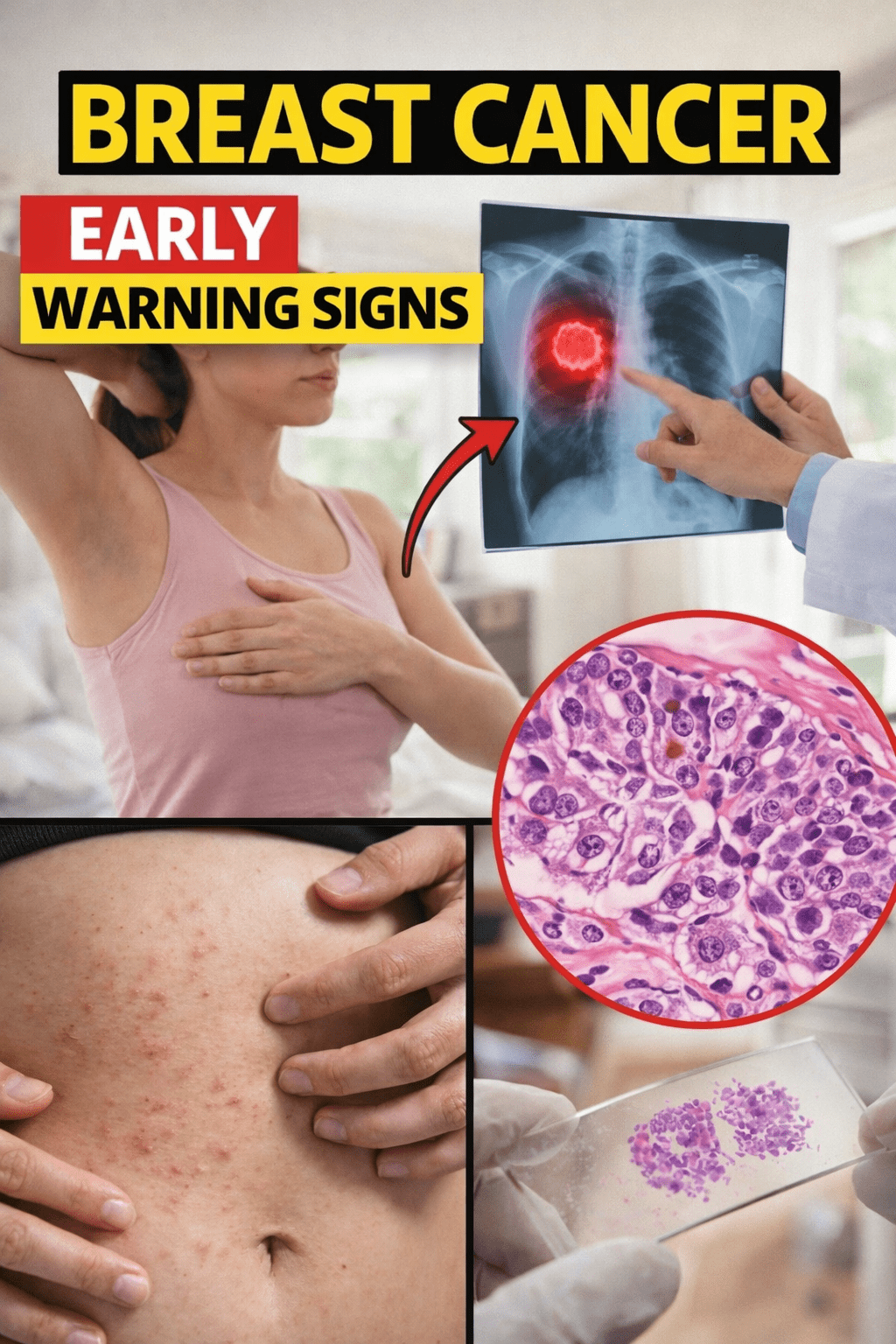
Why Paying Attention to Breast Changes Matters
Breast cancer is one of the most common cancers among women in the United States. According to the American Cancer Society’s estimates for 2025, about 316,950 new cases of invasive breast cancer will be diagnosed in women.
The key is early detection. When breast cancer is found at a localized stage, the 5-year relative survival rate is nearly 99%, based on data from reliable sources like the American Cancer Society. But if it spreads farther, that rate drops significantly.
That’s why being aware of your body’s normal feel and appearance is so valuable. Regular screenings are important, but changes can happen between them. Knowing the signs helps bridge that gap.
But that’s not all—some signs are easy to mistake for other common issues…

The 10 Warning Signs to Watch For
Not every change means cancer—most don’t. But if something persists or feels unusual for you, it’s worth checking with a doctor. Here are 10 signs that research and experts, including from the American Cancer Society and Mayo Clinic, highlight as potential red flags:
- A new lump or thick area in the breast or underarm: It might feel hard, painless, and irregular, though some can be tender or soft.
- Swelling or fullness in part or all of one breast: Even without a distinct lump, the breast may feel tighter or heavier.
- Skin changes like dimpling or “orange peel” texture (peau d’orange): This pitted appearance happens when fluid builds up in the skin.
- Redness, warmth, or rash on the breast that doesn’t go away: Often on one side only, and not linked to an infection.
- Persistent itching or irritation in one area: Especially if it’s just on the breast or nipple and doesn’t respond to usual treatments.
- Nipple changes, such as turning inward (inversion) if it wasn’t before: Or flattening of the nipple.
- Flaky, red, or thickened skin on the nipple or areola: This can look like eczema but stays on one side.
- Unusual nipple discharge: Especially if it’s clear, bloody, or comes from only one breast without squeezing.
- Constant pain in one spot: Not the cyclical kind tied to your period.
- Swollen lymph nodes under the arm or near the collarbone: These can feel like firm, painless bumps.
Studies show that asymmetry or skin texture changes can be early clues in some cases. The truth is, these signs often develop gradually, which is why monthly self-awareness helps.
A Closer Look at Inflammatory Breast Cancer (IBC)
Inflammatory breast cancer is a rarer form, making up 1-5% of cases, but it’s aggressive and often missed at first.
It doesn’t usually cause a lump. Instead, the breast may suddenly become red, swollen, warm, and heavy—sometimes looking like an infection.
Peau d’orange skin is common here, along with rapid onset of symptoms.
Because it mimics mastitis or allergies, it’s sometimes treated with antibiotics first. If symptoms don’t improve quickly, further checks are needed.
Early recognition is crucial, as IBC is often diagnosed at a more advanced stage.
Here’s a quick comparison of common signs and when they might appear:
| Sign | How Common as First Clue | Notes from Experts |
|---|---|---|
| New lump or thickening | Most frequent | Often painless; check if it doesn’t move easily |
| Skin dimpling (peau d’orange) | Less common | Linked to fluid buildup; can appear suddenly |
| Redness or swelling | In IBC cases | Rapid changes; one breast only |
| Nipple discharge or inversion | Varies | Especially if new and one-sided |
| Swollen lymph nodes | Early spread indicator | Under arm or above collarbone |
This isn’t exhaustive, but it highlights why variety in signs matters.

Simple Steps to Stay Aware of Your Breast Health
You don’t need to be an expert—just consistent. Here’s a straightforward guide anyone can follow:
- Get to know your normal: Once a month, after your period, look at and feel your breasts in good light—arms down, then raised.
- Do a quick self-check: Lie down and use the pads of your fingers in circular motions, covering the whole breast and underarm.
- Check lymph nodes: Gently feel under your arms and above your collarbone for any new firm spots.
- Track changes: Take notes or photos (dated) if something seems off—this helps when talking to your doctor.
- Schedule regular screenings: Follow guidelines from the American Cancer Society, like annual mammograms starting at age 40 for average risk.
If you notice anything unusual, contact your doctor right away. Ask for a clinical exam, and if needed, imaging like ultrasound or mammogram.
The interesting part? Many women who act quickly say it gave them peace of mind—even when it turned out to be nothing.
Frequently Asked Questions
At what age should I start paying attention to breast changes?
Women of all ages can benefit from knowing their normal, but risks increase after 40. Talk to your doctor about your personal plan.
Can men get breast cancer too?
Yes, though rarer—about 1 in 100 cases. The same awareness of changes applies.
What if I have dense breasts—does that change things?
Dense breasts can make mammograms harder to read, so additional tests like ultrasound might be recommended. Discuss with your provider.
Final Thoughts
Taking a few minutes each month to check in with your body is one of the most empowering habits you can build. Combined with professional screenings, it puts you in a stronger position.
You’re now equipped with practical knowledge that goes beyond the basics. The next step is simple: start that routine tonight, and share this with someone you care about.
Remember, most changes aren’t cancer, but checking promptly is always the smart choice.
This article is for informational purposes only and is not a substitute for professional medical advice. If you notice any changes in your breasts, consult your healthcare provider promptly for personalized guidance.
(Word count: approximately 1,280)