
Many women notice small changes in their breasts and dismiss them as normal fluctuations from hormones, age, or daily life. These subtle shifts can sometimes point to something more serious, and waiting to address them might mean missing the chance for earlier attention. The good news is that becoming familiar with your body can help you spot differences sooner—and we’ll share practical ways to do just that as we go along.
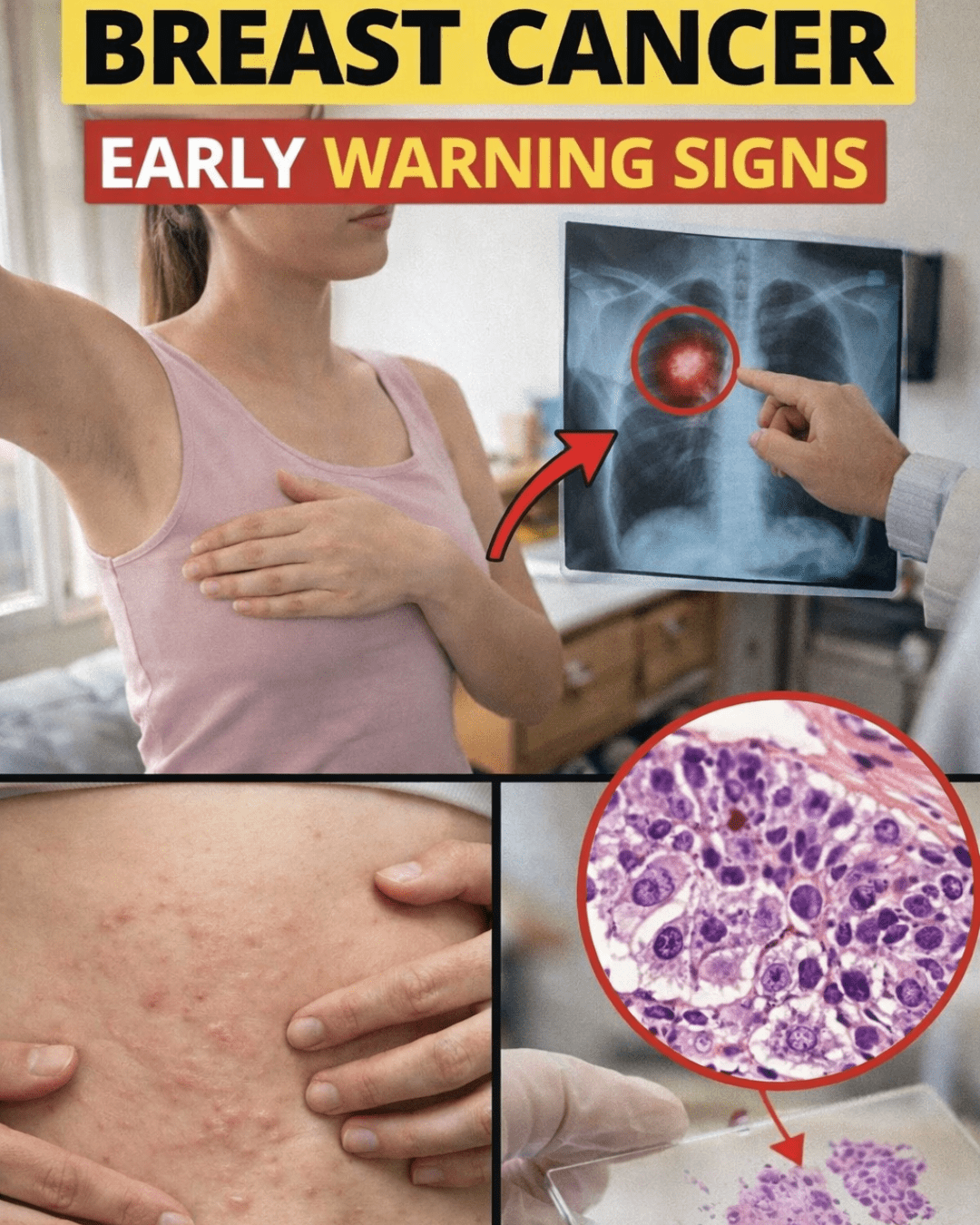
Why Paying Attention to Breast Changes Matters
Breast cancer is one of the most common cancers among women in the United States. According to the American Cancer Society, an estimated 316,950 new cases of invasive breast cancer are expected in women in 2025. When noticed early, the five-year relative survival rate for localized breast cancer is nearly 99%.
But here’s the reality: Many cases are found only after changes become more noticeable. Research shows that knowing your normal breast appearance and feel plays a key role in spotting issues between regular screenings.
The truth is, most breast changes are not cancer—they can stem from benign conditions, hormonal shifts, or even clothing fit. Yet ignoring persistent ones isn’t worth the risk.
That’s why awareness of these lesser-known signs can make a real difference.
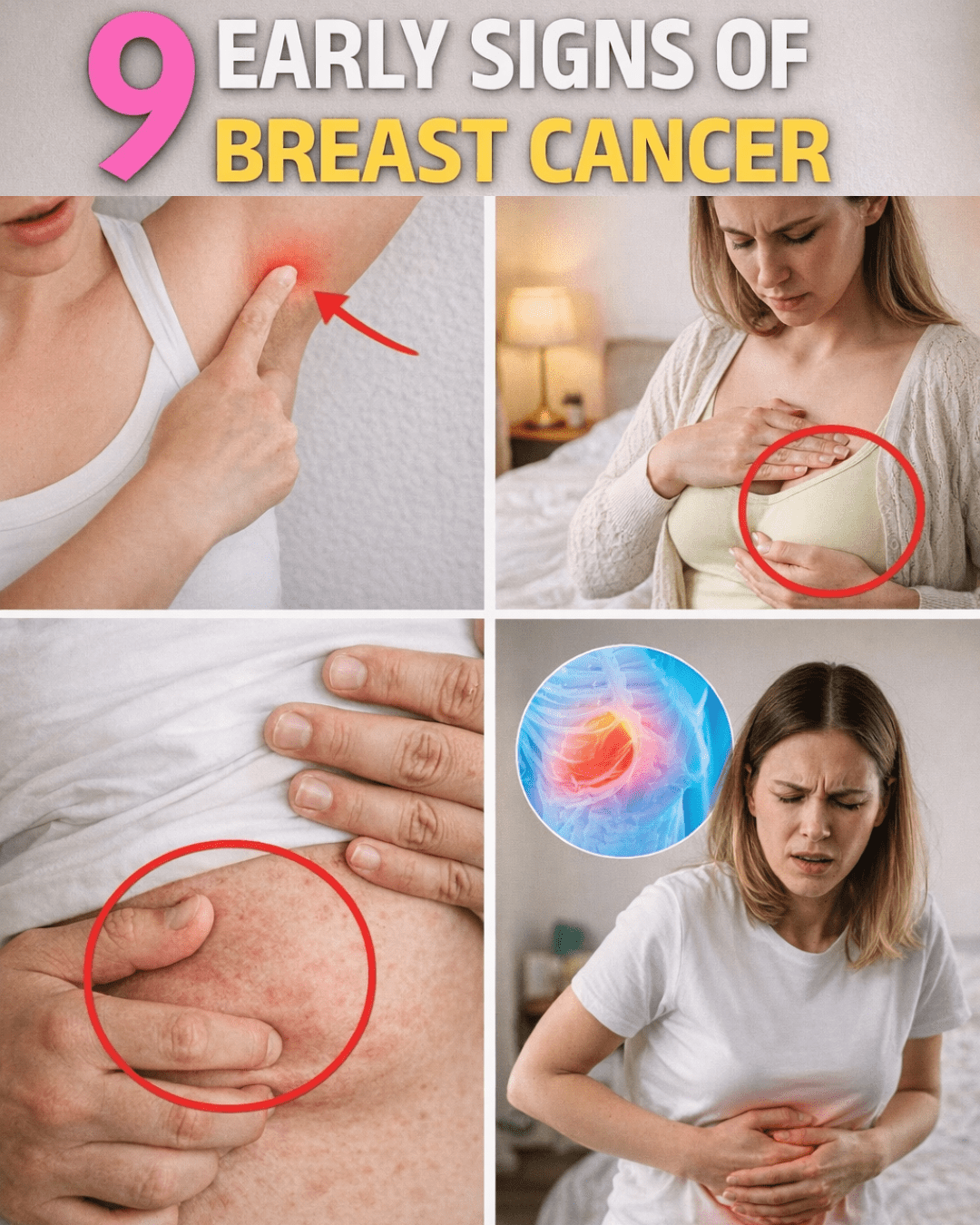
10 Common Warning Signs to Watch For
These signs, as outlined by sources like the American Cancer Society and Mayo Clinic, don’t always involve a lump. Here’s what to know:
- A new lump or thickened area
Often painless and hard with irregular edges, but it can also feel soft or rounded. Most lumps are benign, but any new one deserves a check. - Changes in breast size or shape
One breast may feel heavier, larger, or differently shaped without a clear reason. Sudden asymmetry can be an early clue. - Skin texture changes, like dimpling or puckering
Sometimes called “peau d’orange” because it resembles orange peel. This happens when underlying tissue pulls on the skin. - Persistent redness, rash, or itching
Especially if it’s on one breast only and doesn’t improve with usual treatments. It might be mistaken for irritation or allergy. - Nipple changes, such as inversion or flattening
A nipple that suddenly turns inward (if it wasn’t before) or becomes flatter. - Skin on the nipple or areola that becomes red, flaky, or thickened
This can look like eczema but stays on one side and doesn’t respond to creams. - New nipple discharge
Particularly if it’s clear, bloody, or comes from one breast only without squeezing. - Constant breast or nipple pain
Not tied to your menstrual cycle and staying in one spot. - Swelling in part or all of the breast
Even without a distinct lump—the breast may feel tight, warm, or full. - Swollen lymph nodes under the arm or near the collarbone
Firm, painless nodes that appear suddenly.
But that’s not all—there’s one rarer type that stands out because it behaves differently.
Understanding Inflammatory Breast Cancer: A Less Common but Aggressive Form
Inflammatory breast cancer (IBC) accounts for 1-5% of cases but often gets overlooked because it rarely involves a lump. Instead, it causes rapid changes like:
- Sudden redness and swelling
- Warmth or heaviness in one breast
- Skin that looks pitted or bruised
These can develop quickly, over weeks or months, and are sometimes mistaken for an infection. According to experts at Mayo Clinic and the American Cancer Society, prompt evaluation is essential if symptoms appear suddenly.
Here’s a quick comparison of common signs and their frequency as initial clues (based on general research observations):
| Sign | How Often It’s the First Noticed Change | Notes on Early Attention |
|---|---|---|
| Lump or thickening | Most common (around 70-80%) | Often painless |
| Skin dimpling or texture change | About 20% | Subtle at first |
| Swelling or redness | Varies, higher in IBC | Can spread quickly |
| Nipple changes or discharge | Less common | One-sided is key |
Simple Steps for Monthly Breast Self-Awareness
You don’t need a formal exam every time, but getting to know your breasts helps. Here’s an easy routine recommended by health organizations:
- In the mirror: Stand with arms at sides, then raised. Look for changes in shape, skin, or nipples.
- Lying down: Use the pads of your three middle fingers to feel in circular motions, covering the whole breast and armpit. Use light, medium, and firm pressure.
- In the shower: Soapy skin makes it easier to feel changes.
Do this once a month, ideally a few days after your period ends (or the same day each month if postmenopausal). Track anything new with notes or photos if helpful.
This isn’t a replacement for professional care—it’s a complement.
What to Do If You Notice a Change
- Contact your healthcare provider right away—don’t wait for your next annual visit.
- Describe the change clearly and ask about imaging like ultrasound or mammogram if needed.
- Consider family history; genetic counseling may be useful for some.
- Follow up if symptoms persist.
Screening mammograms are still the gold standard starting at age 40 (or earlier based on risk), but self-awareness bridges the gaps.
Frequently Asked Questions
When should I start regular mammograms?
Guidelines from the American Cancer Society suggest women at average risk begin yearly mammograms at age 45, with the option starting at 40. Discuss your personal risk with a doctor.
Are most breast changes cancerous?
No—many are due to benign issues like cysts or hormonal shifts. But any persistent change warrants professional evaluation.
Can men get breast cancer too?
Yes, though rarer. About 2,800 new cases are expected in men in 2025. The same awareness of changes applies.
Final Thoughts
Taking a few minutes each month to check in with your body is a small step with big potential benefits. Combined with regular screenings and healthy habits, it empowers you to stay on top of your breast health.
You’re now equipped with knowledge that can help you—and those you care about—act confidently if something feels off.
This article is for informational purposes only and is not a substitute for professional medical advice, diagnosis, or treatment. Always consult your healthcare provider if you notice any changes in your breasts or have concerns about your health. Early evaluation by a professional offers the best outcomes.


