
As we age, especially after 50, many of us start paying closer attention to our health. Subtle changes like slower energy recovery, family history concerns, or routine screenings can make cancer risk feel more real. The good news? Research from organizations like the World Cancer Research Fund (WCRF) and the American Institute for Cancer Research (AICR) shows that 30-40% of cancers may be influenced by modifiable lifestyle factors, including diet. While no single food can prevent or cure cancer, a consistent pattern rich in plant-based foods supports overall health and may lower risk by providing antioxidants, fiber, and anti-inflammatory compounds.
But here’s the surprising part: the real power lies in everyday whole foods you probably already have in your kitchen — and small, sustainable swaps can make a meaningful difference over time. Keep reading to discover which ones science highlights most, plus practical ways to add them today.

Why Diet Matters More Than Ever After 50
Cancer incidence increases with age, and factors like excess body weight, chronic inflammation, and oxidative stress play roles that diet can influence. Studies emphasize that plant-forward eating patterns — full of variety — consistently link to lower risks for several cancers.
The key isn’t chasing “miracle” items but building habits. But that’s not all… the foods below stand out in research for their nutrient profiles.
Debunking Common Myths About Food and Cancer
You’ve likely seen claims that certain foods “kill” cancer cells or that avoiding sugar starves tumors. While cancer cells do use more glucose (the Warburg effect), diet doesn’t directly alter this process or blood pH in ways that prevent or treat cancer. Evidence shows no strong link between “alkaline” diets and risk reduction.
Instead, focus on patterns: high intake of vegetables, fruits, whole grains, and beans supports gut health, weight management, and cellular protection. This approach aligns with guidelines from the AICR and American Cancer Society.
11 Foods Backed by Research to Include More Often
Here are standout choices from major reviews, grouped for easy integration.
Everyday Foundations (Start Here)
- Whole Grains (like oats, quinoa, brown rice) — Fiber from whole grains supports gut health and may lower colorectal cancer risk. Aim for at least half your grains as whole.
- Legumes (beans, lentils, chickpeas) — Packed with fiber and plant protein, they aid digestion and detoxification pathways.
- Nuts (walnuts, almonds) — Healthy fats and compounds like selenium contribute to cellular health; a handful daily shows promise in studies.
- Citrus Fruits (oranges, lemons) — Vitamin C and flavonoids offer antioxidant support.
Antioxidant Boosters
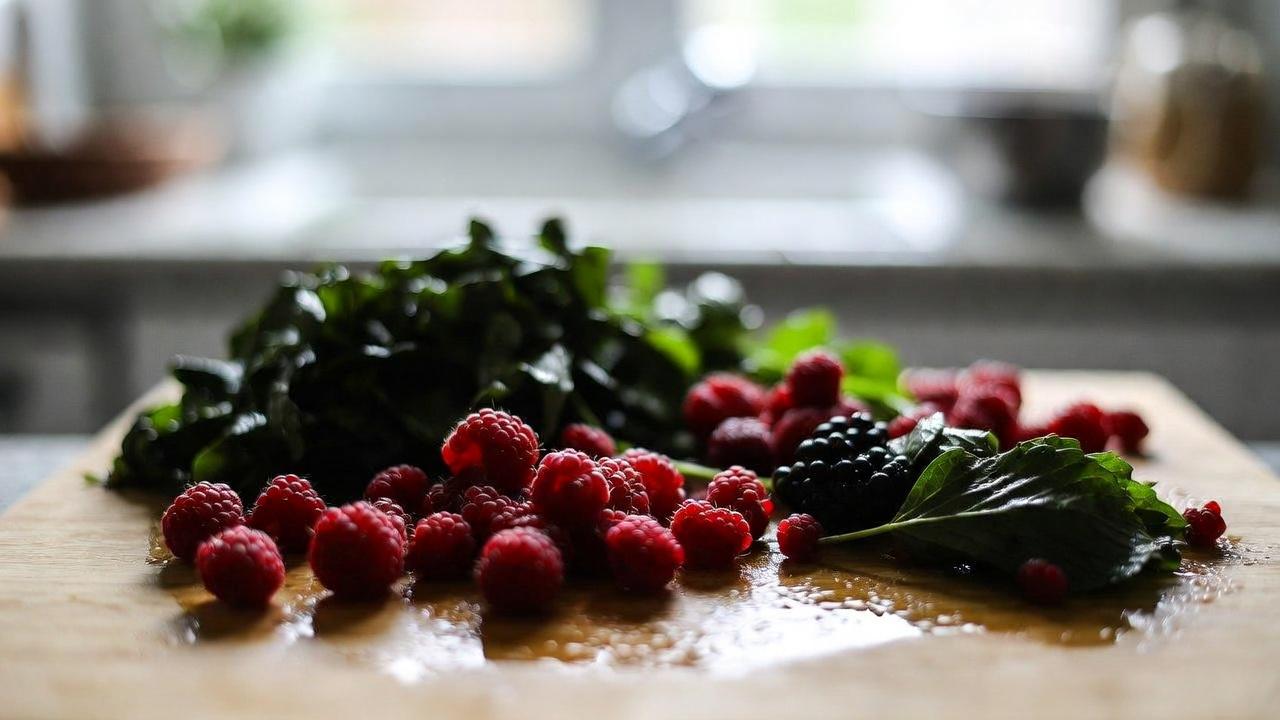
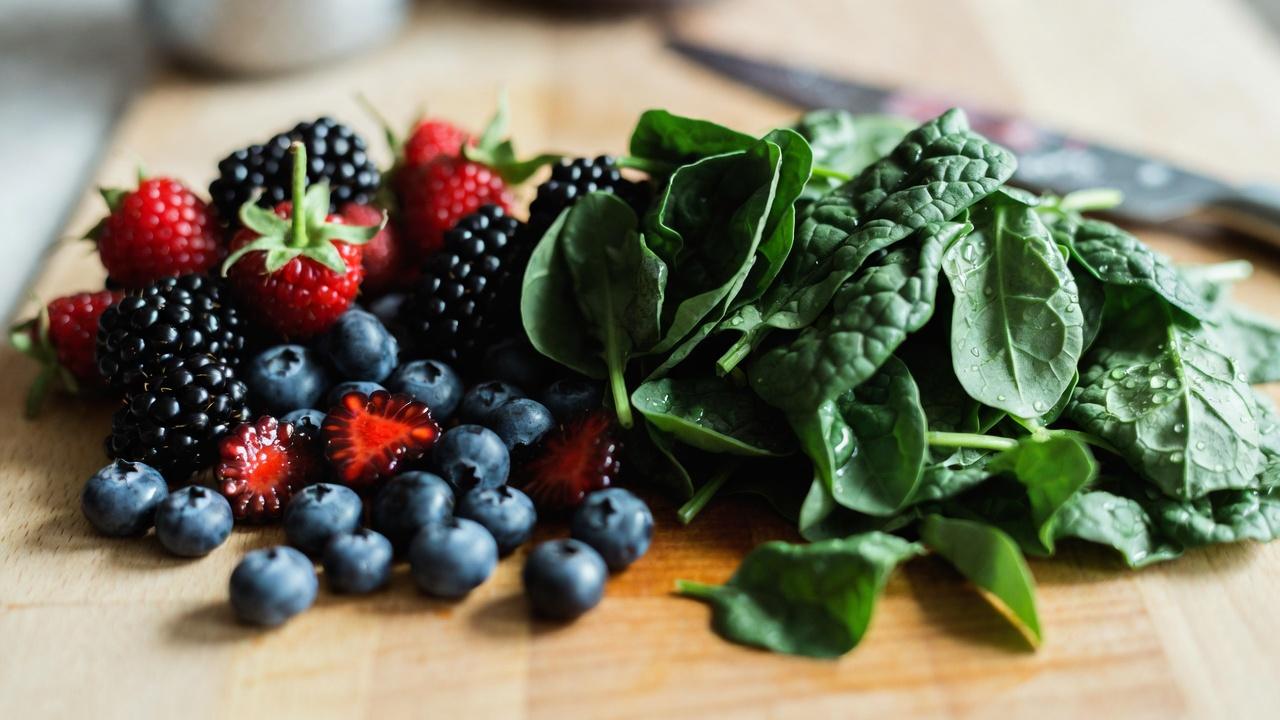
- Berries (blueberries, strawberries) — Rich in anthocyanins that help combat oxidative stress.
- Dark Leafy Greens (kale, spinach) — Loaded with vitamins and glucosinolates for overall protection.
- Cruciferous Vegetables (broccoli, cauliflower, Brussels sprouts) — Sulforaphane supports natural detox processes.
Special Standouts
- Garlic — Sulfur compounds appear protective in lab and some population studies.
- Green Tea — Catechins like EGCG link to DNA support in research.
- Tomatoes — Lycopene (better absorbed when cooked) associates with lower risk for certain cancers.
- Turmeric — Curcumin shows anti-inflammatory potential; pair with black pepper for better use.
Here’s a quick comparison table to see the difference:
- Whole grains & legumes vs. refined carbs → Higher fiber supports better gut health and may reduce colorectal risk.
- Berries & greens vs. sugary snacks → Antioxidants help fight daily cellular stress.
- Nuts & green tea vs. fried foods → Anti-inflammatory benefits over added inflammation.
Simple Ways to Add These Foods Today
Start small for lasting change:
- Week 1-2: Add berries to breakfast and a big salad with leafy greens at lunch.
- Week 3-4: Swap white rice for quinoa or add beans to soups.
- Ongoing: Sip green tea daily, include broccoli 3-4 times a week, and use garlic in cooking.
Pro tip: Cook tomatoes with a little olive oil to boost lycopene absorption. Try blending greens into smoothies if chewing salads feels tough.
Variety matters — aim for color on your plate to get diverse phytochemicals.
Real Inspiration: Small Changes, Big Impact
Many people over 50 share stories of feeling more energized after shifting toward plant-rich meals. One common thread? Consistency over perfection. These habits support not just cancer risk reduction but vitality overall.
The Bigger Picture: Patterns Beat Single Foods
No food destroys cancer, but a mostly plant-based diet with limited processed foods, red meat, and alcohol aligns with strong evidence for lower risk. Combine this with activity and healthy weight for the best support.
Imagine 30 days from now: more energy, better digestion, and peace of mind from proactive choices.
FAQ
What is the best diet for lowering cancer risk? A mostly plant-based pattern with plenty of vegetables, fruits, whole grains, and beans — as recommended by the AICR and American Cancer Society.
Can supplements replace these foods? Whole foods are best; supplements don’t show the same benefits and may not prevent cancer.
How much produce should I eat daily? Aim for at least 5 servings of fruits and vegetables, with emphasis on variety.
This article is for informational purposes only and is not a substitute for professional medical advice. Always consult your healthcare provider for personalized guidance on cancer prevention, especially if you have health concerns or family history.


