
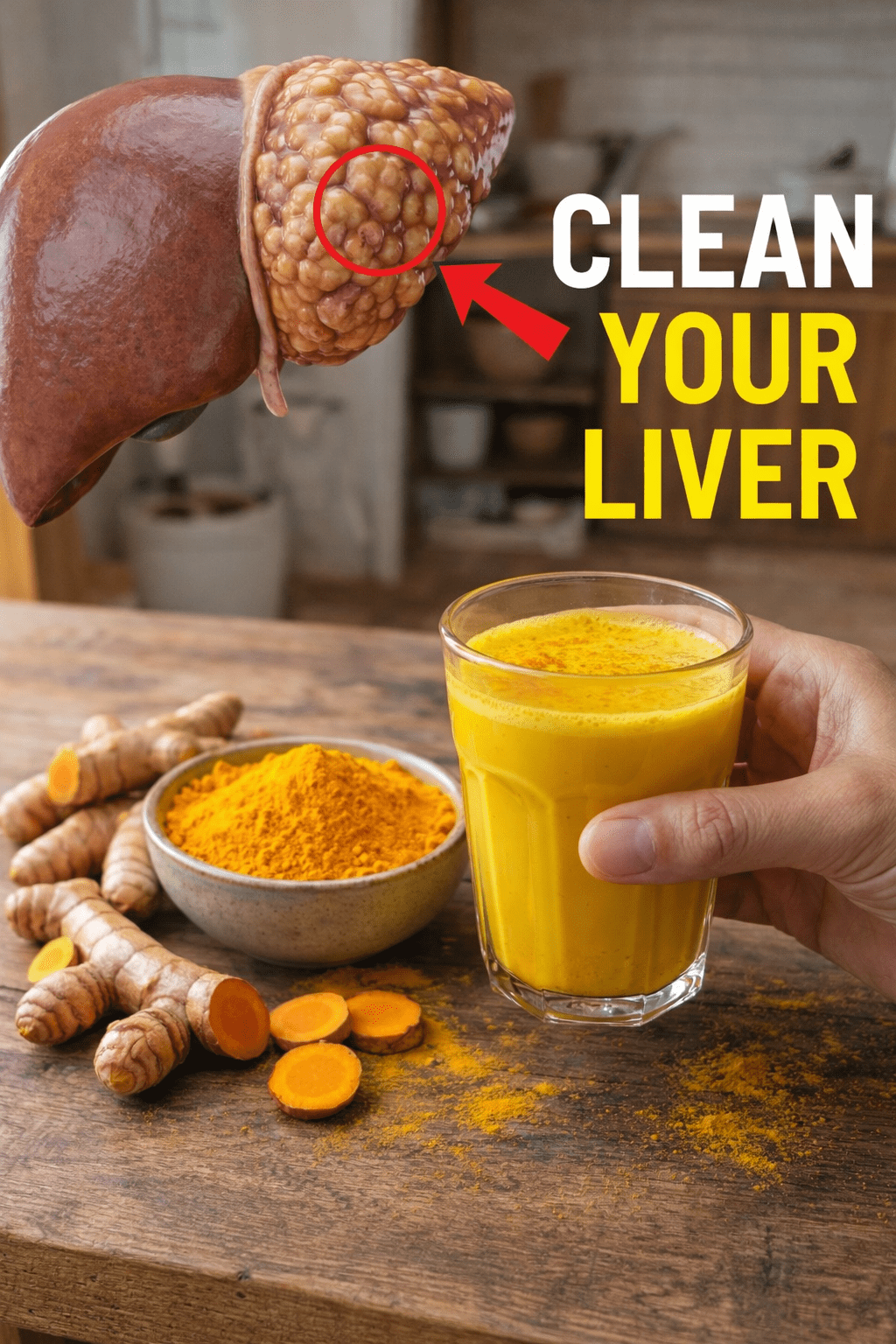
Many people experience subtle signs of liver strain from modern lifestyles—think persistent low energy, occasional digestive discomfort, or that heavy feeling after meals. These everyday challenges can stem from factors like processed foods, stress, and reduced physical activity, which place extra demands on your liver over time. The good news? Incorporating nutrient-rich whole foods into your routine offers a practical, enjoyable way to nourish this vital organ. Research highlights how certain foods provide antioxidants, fiber, and beneficial compounds that may help support the liver’s natural processes.
In this guide, we’ll explore 11 science-backed foods that may contribute to overall liver wellness. Stick around until the end for simple integration tips and a surprising everyday habit that many overlook.
Why Your Liver Needs Daily Support
Your liver works around the clock to filter blood, process nutrients, and manage waste. When supported with the right nutrients, it maintains balance efficiently. Studies suggest that diets rich in antioxidants and anti-inflammatory compounds—like those found in plant-based foods—may help reduce oxidative stress and promote healthy enzyme activity.
But here’s the key: Small, consistent changes often yield the best results. Let’s dive into the foods that research points to as potential allies.
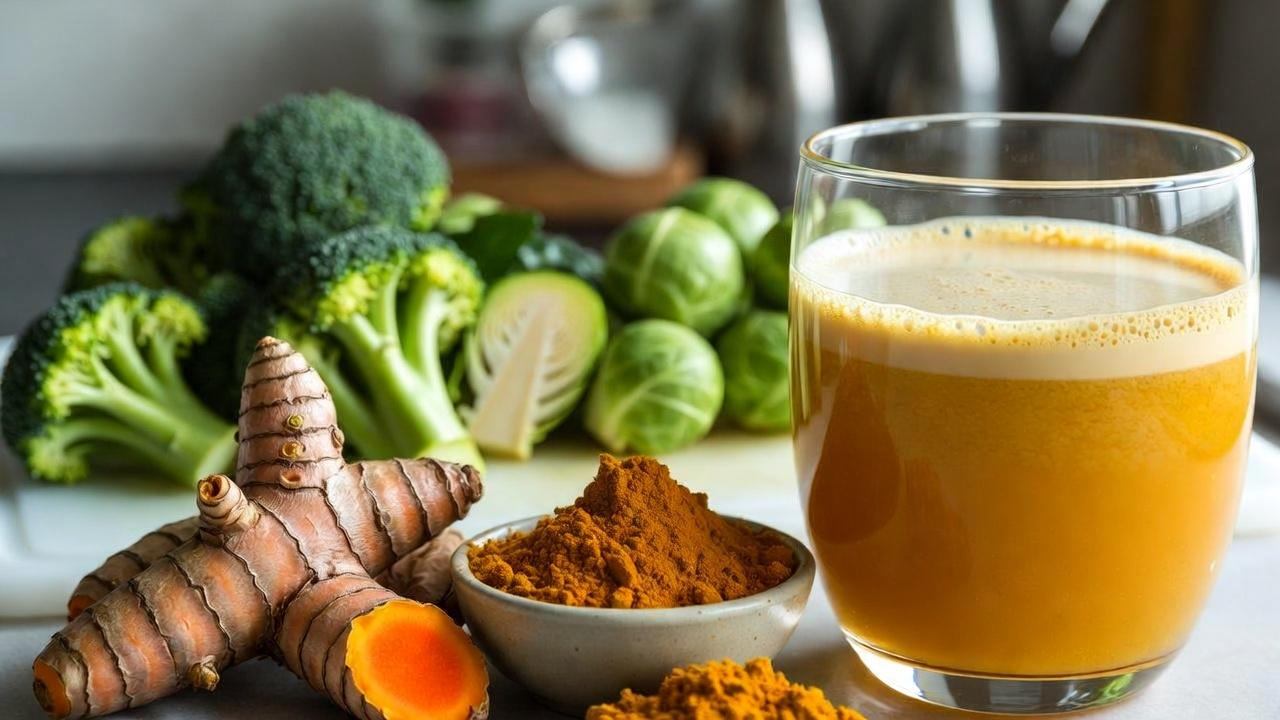
#11 Turmeric: The Golden Spice for Everyday Wellness
Turmeric, with its active compound curcumin, has drawn attention in studies for its potential to support healthy inflammation levels and antioxidant defenses.
Research, including meta-analyses of clinical trials, indicates that curcumin supplementation may help maintain normal liver enzyme levels like ALT and AST in certain populations.
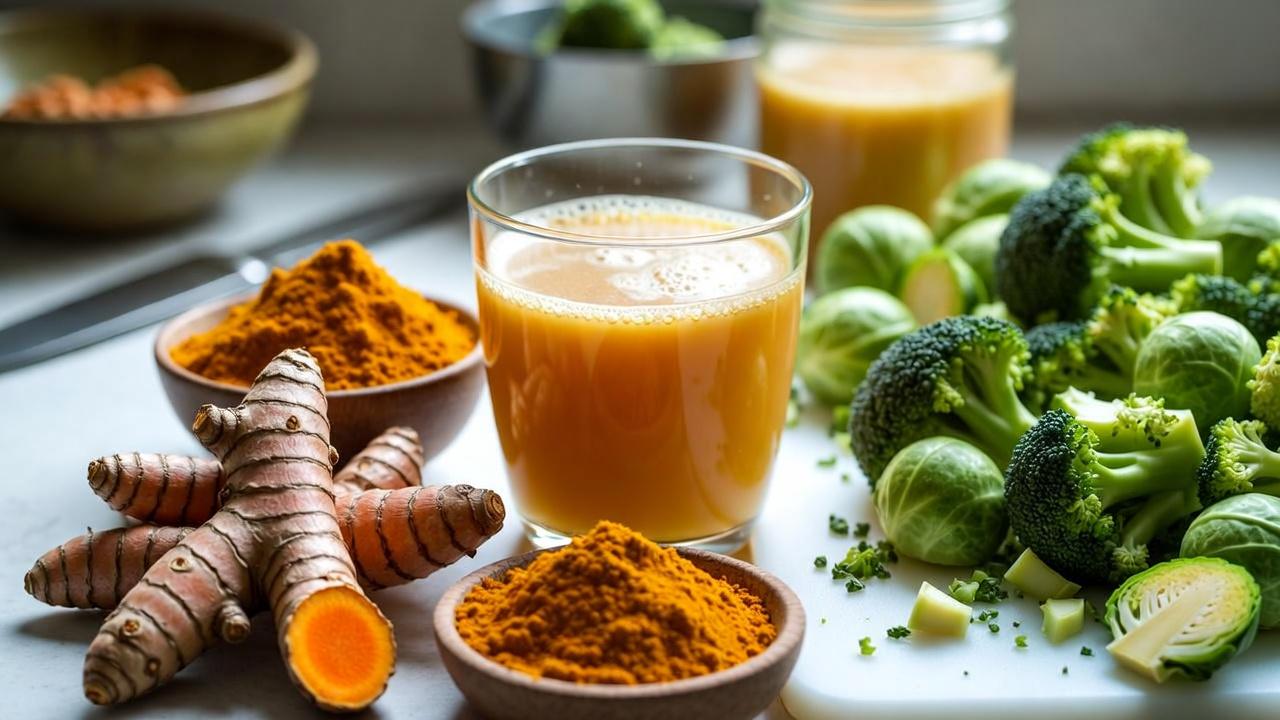
How to enjoy it: Try golden milk—warm plant milk with 1 teaspoon turmeric, a pinch of black pepper (for better absorption), and a touch of honey. But that’s not all—pairing it thoughtfully enhances its benefits.
#10 Cruciferous Vegetables: Nature’s Detox Supporters
Broccoli, Brussels sprouts, kale, and cauliflower belong to the cruciferous family. These veggies contain glucosinolates that break down into compounds like sulforaphane.
Studies show these may help activate phase II detoxification enzymes in the liver, supporting the body’s natural clearance processes.
Actionable tip: Aim for 1–2 cups a few times a week. Steam lightly or chop raw into salads for maximum compound release.
#9 Berries: Antioxidant-Packed Sweet Treats
Blueberries, strawberries, and cranberries are loaded with polyphenols and low in sugar compared to other fruits.
Evidence from reviews suggests these antioxidants may help combat oxidative stress, which plays a role in liver function.
Quick idea: Add a handful to yogurt or smoothies for a refreshing boost.
#8 Green Tea: A Soothing Daily Ritual
Green tea’s catechins, particularly EGCG, have been linked in research to potential benefits for liver enzyme balance and reduced inflammation markers.
Enjoy 2–3 cups daily for a gentle, hydrating habit.
#7 Garlic and Onions: Sulfur-Rich Flavor Boosters
Allium vegetables like garlic and onions provide sulfur compounds that may support bile production and enzyme activity.
Research associates them with enhanced detoxification pathways.
Pro tip: Crush garlic and let it sit 10 minutes before cooking to activate beneficial compounds.
#6 Olive Oil: Healthy Fat for Smooth Function
Extra virgin olive oil, rich in monounsaturated fats and polyphenols, aligns with the Mediterranean diet pattern linked to better liver health in multiple studies.
Use it for dressings or low-heat cooking.
#5 Fatty Fish: Omega-3 Powerhouses
Salmon, mackerel, and sardines offer omega-3 fatty acids that may help manage inflammation.
Evidence supports including fatty fish as part of a balanced approach to liver wellness.
Suggestion: Grill or bake twice weekly.
#4 Nuts and Seeds: Nutrient-Dense Snacks
Walnuts, almonds, and chia seeds provide healthy fats, fiber, and vitamin E.
These may contribute to overall metabolic health, which benefits the liver.
#3 Leafy Greens: Everyday Essentials
Spinach, arugula, and Swiss chard deliver fiber and antioxidants to support digestion and nutrient processing.
They’re easy to add to any meal.
#2 Coffee: An Unexpected Ally
Moderate coffee consumption (2–3 cups black or unsweetened) has been associated in large studies with lower risk of liver concerns.
The antioxidants appear protective.
#1 Whole Grains and Legumes: Fiber for Balance
Oats, quinoa, beans, and lentils supply soluble fiber that aids in maintaining healthy weight and gut function—key for liver support.
Here’s a quick comparison table of top picks:
- Food → Key Benefit → Easy Way to Add
- Turmeric → Antioxidant support → Golden milk
- Cruciferous veggies → Enzyme activation → Steamed sides
- Berries → Oxidative stress reduction → Smoothies
- Green tea → Catechin boost → Daily cups
- Coffee → Potential protective effects → Morning ritual
Simple 30-Day Plan to Get Started
Week 1: Focus on adding turmeric and berries daily. Week 2: Include cruciferous veggies and green tea. Week 3: Incorporate olive oil, garlic, and nuts. Week 4: Build in fatty fish, coffee, and whole grains consistently.
Track how you feel—many notice steadier energy with these sustainable swaps.
FAQ
How much turmeric should I use daily? Start with 1 teaspoon in food or drinks; pair with black pepper for better absorption.
Can I get these benefits from supplements alone? Whole foods offer synergy and fiber—combine with a varied diet for best results.
Are these foods safe for everyone? Most are generally well-tolerated, but check with a professional if you have specific conditions.
This article is for informational purposes only and does not constitute medical advice. Always consult your healthcare provider before making significant dietary changes, especially if you have existing health concerns.


