
You wake up feeling unusually tired, even after a full night’s sleep, or notice your ankles looking a bit puffy after a normal day. Maybe you’ve had moments of shortness of breath during simple tasks, dismissing it as just getting older or being out of shape. These subtle changes can feel minor and easy to brush off, but they often add up in ways that worry many people—wondering if something more serious is going on with their heart. The frustrating part is how these signals can mimic everyday issues, leaving you uncertain and anxious about what your body is really trying to tell you. But here’s the good news: becoming aware of these lesser-known signs can empower you to take proactive steps—and toward the end of this article, I’ll share a simple daily checklist that many find surprisingly helpful in supporting heart health.
Why These Subtle Signs Matter More Than You Might Think
Heart issues don’t always announce themselves dramatically. Research from organizations like the American Heart Association and Mayo Clinic shows that many early indicators can appear gradually, sometimes months or years before a more serious event.
These signs often stem from reduced blood flow or added strain on the heart, affecting different parts of the body in unexpected ways.
The key is noticing patterns—if several of these show up together, it’s worth paying attention.
But that’s not all… let’s dive into the signs themselves.
11 Lesser-Known Signs to Watch For
Here are some commonly overlooked indicators that studies and health experts link to potential heart concerns. Remember, these can have other causes too, but knowing them helps you stay informed.
11. Ongoing Fatigue That’s Hard to Shake
Feeling exhausted even after resting or light activities? This “bone-deep” tiredness can happen when the heart isn’t pumping blood as efficiently, leaving muscles and organs short on oxygen.
Studies, including those from the American Heart Association, note that persistent fatigue is a frequent early clue, especially in women.
Watch if it lingers despite good sleep or caffeine—it’s one of the most dismissed signs.
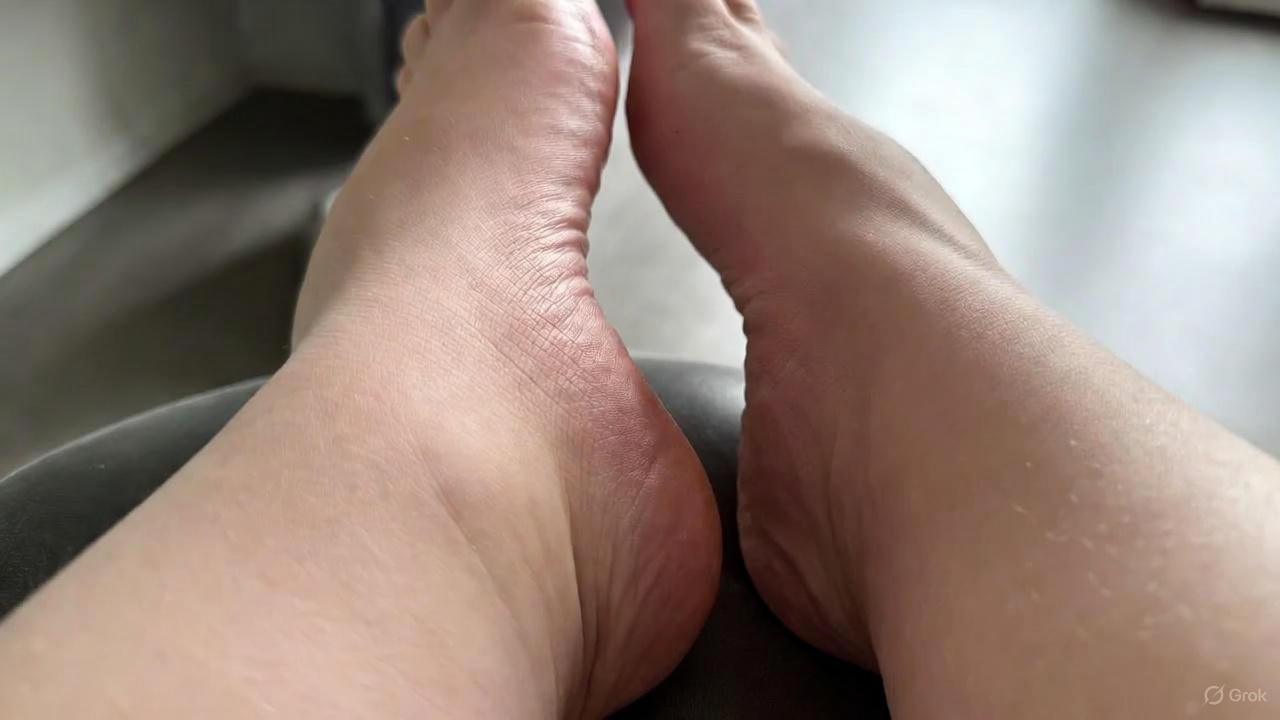
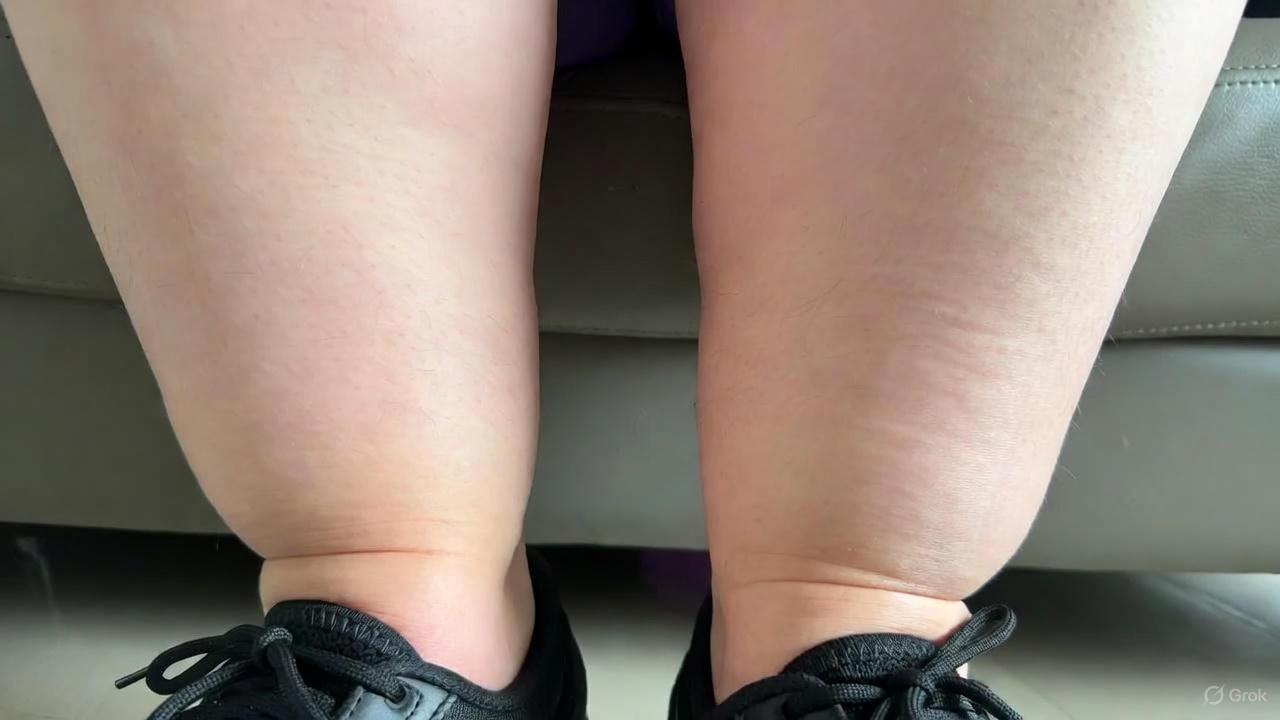
10. Puffiness in Ankles or Feet
Notice your socks leaving marks or shoes feeling tighter by evening? Fluid retention in the lower legs can signal the heart struggling to circulate blood properly, causing buildup.
This is common in heart failure, as noted by Mayo Clinic resources.
It might come with slight weight gain from fluid—don’t ignore if it’s new or worsening.
9. Tightness in the Jaw or Neck
Discomfort doesn’t always stay in the chest. Many people, particularly women, experience a clenching or pressure in the jaw, neck, or even shoulders.
The American Heart Association highlights this as a common referred sensation during times of reduced blood flow.
If it’s recurring, especially with activity, it’s worth noting.
8. Breathlessness During Everyday Activities
Struggling to catch your breath while talking, walking short distances, or even sitting? Fluid backing up into the lungs can make breathing feel labored.
Research shows this is a key sign of weakening heart function.
A quick check: If lying flat worsens it, that’s another clue to discuss with a doctor.
7. Pressure or Heaviness in the Chest
Not every chest sensation is sharp pain—often it’s a dull pressure, tightness, or squeezing feeling.
This can come and go, especially with exertion or stress.
The Mayo Clinic describes it as a common early warning that deserves attention if recurrent.
6. Unexpected Sweating
Breaking into a cold sweat without exertion or heat? The body’s stress response can trigger this when the heart is under strain.
Heart attack survivors often recall sudden clamminess as a prelude.
If it’s unexplained and paired with other signs, take note.
5. Nausea or Upset Stomach Feelings
That queasy sensation or indigestion-like discomfort? Shared nerve pathways mean heart issues can mimic gut problems, especially in women.
American Heart Association data shows nausea as a frequent accompanying sign.
If over-the-counter remedies don’t help, consider the heart connection.
4. Dizziness or Lightheaded Moments
Standing up and feeling the room spin? Poor blood flow to the brain from irregular rhythms or low output can cause this.
It’s linked to conditions like atrial fibrillation in studies.
Frequent episodes, especially with near-fainting, shouldn’t be overlooked.
3. Fluttering or Irregular Heartbeat
Sensing your heart racing, skipping beats, or pounding oddly? This palpitation can point to atrial fibrillation (AFib), which raises stroke risk.
The American Heart Association notes AFib often starts with these intermittent feelings.
Check your pulse at rest—if it’s uneven without clear reason, mention it to your doctor.
2. Persistently Cold Hands and Feet
Extremities staying chilly even in warm settings? Reduced circulation prioritizes vital organs, leaving hands and feet cooler.
This is associated with peripheral artery issues tied to broader heart concerns.
Add pale nails or skin changes, and it’s another potential indicator.
1. Disrupted Sleep or Waking Gasping
Waking frequently, feeling unrested, or gasping for air? Poor heart function can interfere with sleep, sometimes linked to conditions like sleep apnea that strain the heart further.
Research connects nighttime breathing issues and irregular rhythms to cardiovascular strain.
If mornings leave you drained without explanation, this could be a subtle hint.
Subtle vs. More Urgent Signs: A Quick Comparison
To help spot patterns, here’s a simple table breaking down common indicators:
| Category | Subtle Signs (Often Overlooked) | More Urgent Signs (Seek Help Promptly) |
|---|---|---|
| Energy Levels | Persistent tiredness after rest | Sudden extreme exhaustion or confusion |
| Breathing | Mild shortness during light activity | Breathlessness at rest or when lying flat |
| Sensations | Jaw/neck tightness, cold extremities | Intense chest pressure, radiating pain |
| Other | Unexplained sweating, nausea | Cold sweat with dizziness, fainting |
Sources like Harvard Health and WebMD emphasize tracking combinations for better awareness.
Everyday Habits to Support Your Heart Health
Small, consistent steps can make a real difference. Here’s a actionable list to get started:
- Move daily: Aim for 20-30 minutes of walking to boost circulation naturally.
- Eat heart-friendly foods: Include leafy greens, berries, nuts, and fatty fish rich in omega-3s.
- Stay hydrated: Drink plenty of water to help maintain healthy blood flow.
- Manage stress: Try deep breathing or short meditations—stress hormones can add heart strain.
- Monitor basics: Track blood pressure at home and note any patterns in symptoms.
- Prioritize sleep: Aim for 7-8 hours; elevate your head if breathing feels off at night.
- Quit smoking if applicable: It significantly improves circulation over time.
Many people find starting with just 2-3 of these brings noticeable energy improvements.
But the real game-changer? Combining awareness with regular check-ups.
A Simple Daily Checklist for Heart Awareness
As promised earlier, here’s that practical tool—a quick 5-minute evening review:
- Note any fatigue level (1-10).
- Check ankles for puffiness.
- Recall breathing ease during the day.
- Feel for cold hands/feet.
- Log sleep quality and any wake-ups.
Tracking over a week can reveal patterns to share with your doctor—many find this empowers them immensely.
Final Thoughts: Listening to Your Body Early
These lesser-known signs are your body’s way of communicating—quietly at first, but meaningfully. Spotting them doesn’t mean panic; it means opportunity to support your health proactively.
With lifestyle tweaks and professional guidance, many people maintain strong heart function for years.
Stay attuned, act on concerns, and prioritize those check-ups.
Frequently Asked Questions
What should I do if I notice several of these signs?
Start by scheduling a visit with your healthcare provider. They can assess your risks and recommend tests like blood pressure checks or EKGs if needed.
Are these signs different for men and women?
Yes, somewhat—women more often experience nausea, jaw discomfort, fatigue, or shortness of breath, while men might notice more classic chest pressure. But overlap is common.
Can lifestyle changes really help if signs are present?
Absolutely. Research shows consistent movement, balanced eating, and stress management support better circulation and heart function for many.
Disclaimer: This article is for informational purposes only and is not a substitute for professional medical advice. Always consult your healthcare provider for personalized guidance, especially if you experience symptoms. If you have sudden or severe chest discomfort, shortness of breath, or other urgent signs, seek emergency care immediately.


