
Many people take amlodipine daily to manage high blood pressure, relying on it for better heart health and peace of mind. Yet subtle changes like persistent tiredness, occasional swelling, or unexpected discomfort can slowly build up, leaving you wondering if they’re connected to the medication or just part of life. These experiences are more common than often discussed, and understanding them can make a real difference in how you feel day to day. But here’s the encouraging part: greater awareness often leads to simple adjustments that help you stay on track with your treatment.
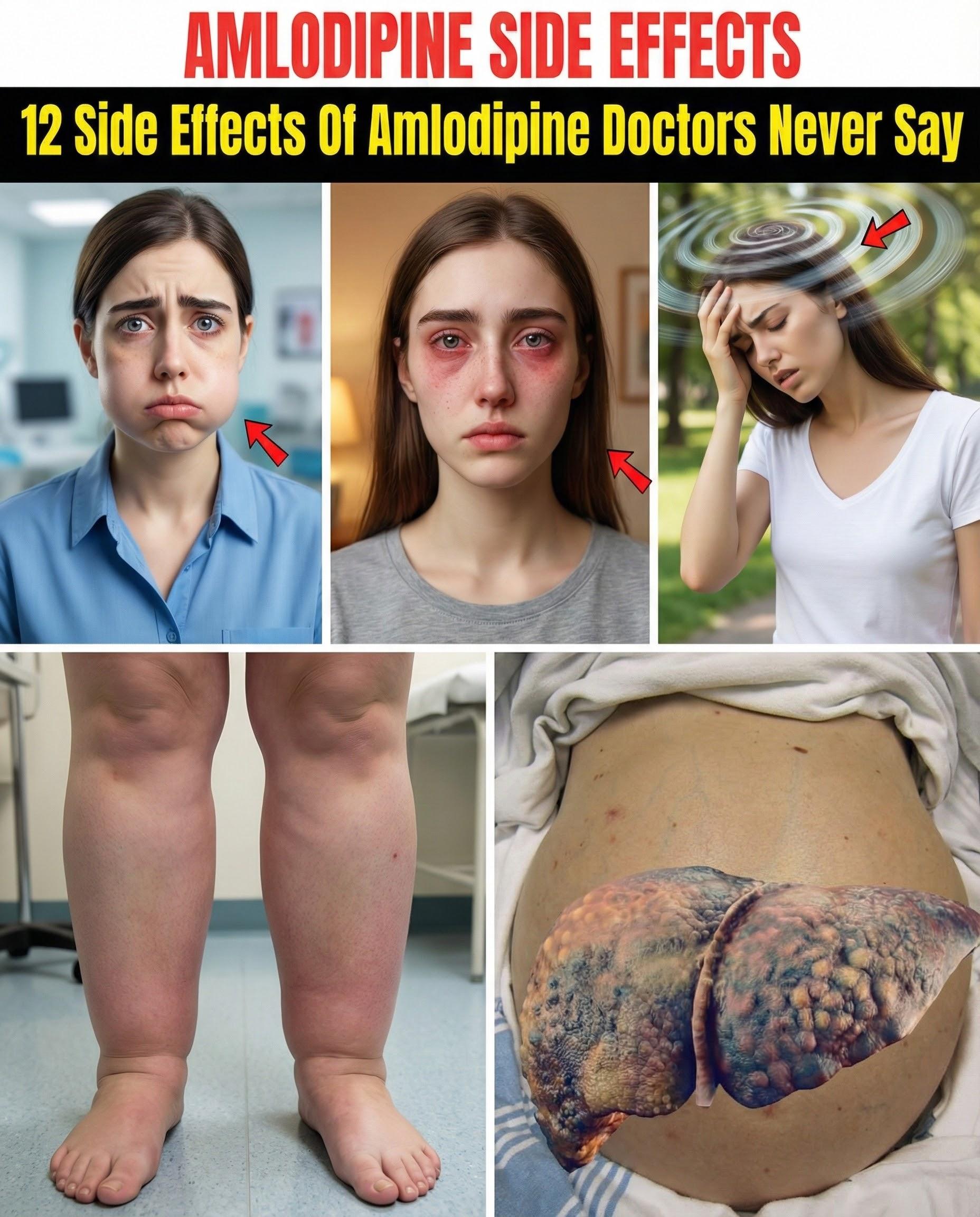
Why Some Amlodipine Side Effects Catch People Off Guard
Amlodipine works by relaxing blood vessels, which effectively lowers blood pressure for millions. Clinical studies show it’s generally well-tolerated, but individual responses vary based on factors like dose, age, gender, and overall health. Research indicates certain effects occur more frequently in women or with higher doses, yet they’re sometimes dismissed as minor.
The truth is, these changes can quietly affect energy levels, comfort, or confidence over time. Many users report feeling surprised when symptoms appear months into treatment. Keeping an open dialogue with your doctor about what you’re noticing can open doors to better management options.
But that’s not the full story—let’s explore some insights backed by studies that deserve more attention.
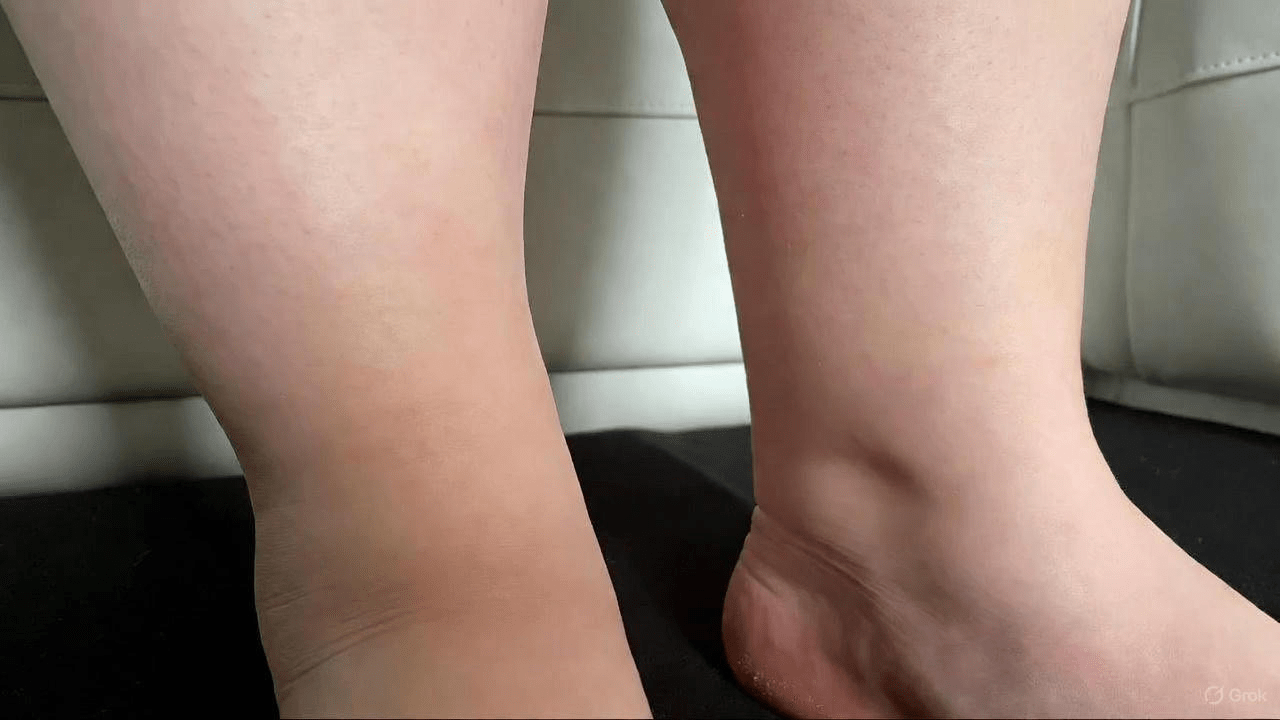
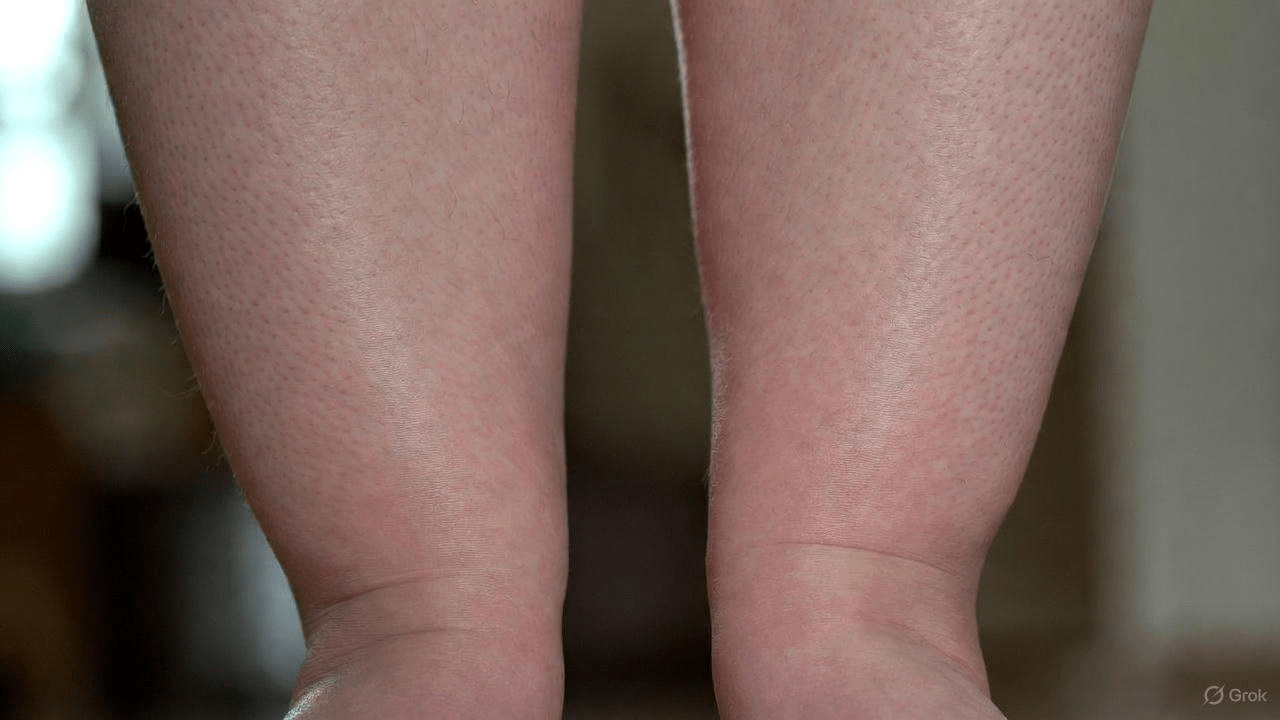
Insight 1: Swelling in Ankles or Legs (Peripheral Edema)
One of the most reported effects is swelling in the lower legs or ankles. Studies from controlled trials show rates up to 10.8% at higher doses, and it’s often more noticeable in women—sometimes 2-3 times higher than in men.
This happens because amlodipine relaxes arteries more than veins, allowing fluid to shift into tissues. It’s usually not related to overall fluid retention.
If you’ve noticed tighter shoes or heavier-feeling legs, tracking when it happens can help your doctor assess if a dose tweak or added support might ease it.
Insight 2: Occasional Heart Palpitations
Some people experience a fluttering or pounding sensation in the chest. Data from trials indicate this in about 4.5% of users at higher doses, again more reported in women.
It’s linked to the medication’s effect on blood vessels, which can sometimes cause reflex changes in heart rhythm.
Monitoring patterns and discussing with your healthcare provider can provide reassurance, especially since it’s often manageable.
Here’s a quick overview of common rates from clinical data:
| Side Effect | Reported Rate (approx.) | Notes |
|---|---|---|
| Peripheral Edema | Up to 10-15% | Higher in women, dose-related |
| Palpitations | Around 4-5% | More at higher doses |
| Fatigue | Around 4-5% | Can build over time |
| Flushing | Around 2-3% | Often temporary |
Insight 3: Persistent Fatigue
Feeling more tired than usual, even after rest? Research notes fatigue in about 4.5% of users, sometimes progressing with ongoing use.
This can stem from the body’s adjustment to lower blood pressure or other subtle shifts.
Simple steps like staying hydrated and pacing activities might help, but sharing details with your doctor is key.
Insight 4: Facial Flushing or Warmth
Sudden warmth or redness in the face affects around 2.6% in studies, and women report it more often.
It’s due to widened blood vessels near the skin surface.
Cool environments or timing doses can sometimes reduce noticeable episodes.
Insight 5: Gum Changes (Gingival Hyperplasia)
Less commonly discussed is gum overgrowth, seen in about 1-3% of long-term users in reports.
Good oral hygiene plays a big role in prevention, and dentists familiar with this can offer guidance.
Regular check-ups help catch it early.
Insight 6: Dizziness or Lightheadedness
Dizziness appears in around 3.4% of trial participants, especially in older adults or when standing quickly.
Rising slowly from sitting or lying down is a practical tip many find useful.
Insight 7: Digestive Discomfort or Nausea
Some report mild stomach upset or nausea, around 2-3% in data.
Taking with food often helps minimize this.
Insight 8: Muscle Cramps or Stiffness
Occasional cramps or aches can occur due to calcium channel effects.
Staying active and ensuring good hydration are everyday strategies.
Insight 9: Mood or Sleep Variations
Subtle changes in sleep or mood have been noted in pharmacovigilance reports.
Tracking sleep habits can reveal patterns worth discussing.
Insight 10: Episodes of Lower Blood Pressure
Sudden drops, especially when changing position, are more common in older users.
Awareness of orthostatic changes helps prevent unease.
Insight 11: Rare Liver Enzyme Changes
Though uncommon, isolated reports mention elevated liver enzymes.
Routine blood tests during check-ups monitor this effectively.
Insight 12: Shortness of Breath Concerns
Rare mentions in reports link to fluid shifts or other factors.
Any new breathing changes warrant prompt attention.
You’re now equipped with a broader view—knowledge that puts you in a stronger position.
Factors That May Influence Your Experience
- Dose: Higher amounts often correlate with more noticeable effects.
- Gender: Women may report certain ones more frequently.
- Age: Older adults sometimes experience amplified responses.
- Lifestyle: Activity, diet, and hydration play supportive roles.
Practical steps to discuss with your doctor:
- Keep a simple symptom journal noting timing and severity.
- Schedule regular reviews to evaluate ongoing needs.
- Explore lowest effective dose options.
- Consider complementary habits like leg elevation for comfort.
Conclusion: Taking Control of Your Health Journey
Being informed about potential amlodipine effects empowers better conversations and decisions. Many users find relief through adjustments, leading to sustained benefits without unnecessary disruption.
Start by noting any patterns today and bringing them to your next appointment—you deserve to feel your best.
Frequently Asked Questions
How common are swelling effects with amlodipine?
Studies show peripheral edema in up to 10-15% of users, often dose-related and more reported in women.
Can fatigue be linked to this medication?
Yes, around 4-5% in trials report it; discussing with your doctor can help rule out other causes.
What should I do if I notice gum changes?
Maintain excellent oral care and inform your dentist—early management makes a difference.
Disclaimer: This information is for educational purposes only and is based on general research and reports. Side effects vary widely by individual. Always consult your healthcare provider for personalized advice, monitoring, or changes to your regimen. Do not adjust medication on your own.


