You’ve been feeling unusually tired lately, even after a full night’s sleep, and that nagging itch on your skin just won’t go away no matter what lotion you try. These small changes can feel frustrating and easy to dismiss as everyday stress or minor annoyances, leaving you wondering if something more is going on beneath the surface. Many people experience subtle body signals that could point to liver concerns, and recognizing them sooner rather than later can make a real difference in how you approach your health. Keep reading to uncover these often-overlooked clues—and there’s one surprising sign at the end that might catch you off guard.
Your liver works quietly behind the scenes, filtering toxins, processing nutrients, and supporting overall wellness without much fanfare. That’s why issues can develop gradually, often without obvious warnings until later stages. Research shows that liver conditions frequently progress silently, with symptoms emerging only after significant changes have occurred. But paying attention to these quieter signals can prompt timely conversations with your doctor.
Why Early Awareness Matters for Liver Health
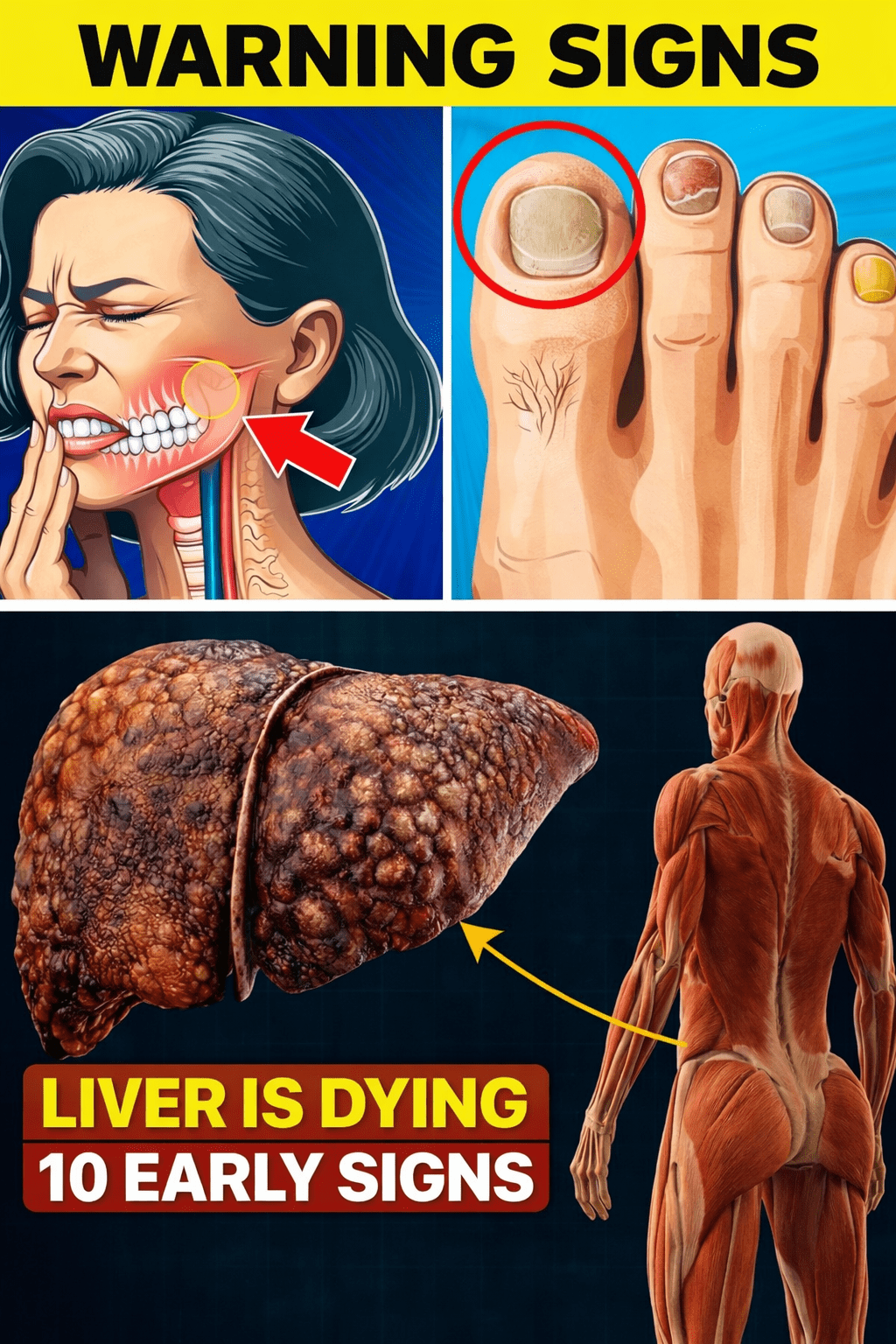
The liver has an remarkable ability to function even when challenged, which is both a strength and a reason why problems can go unnoticed. Studies indicate that many liver conditions don’t cause noticeable symptoms in their initial phases. This “silent” nature means millions worldwide live with undiagnosed liver changes until they become more advanced.
Here’s the good news: catching potential issues early allows for lifestyle adjustments and medical guidance that can support liver function. But that’s not all—understanding these signs empowers you to take proactive steps.
12 Subtle Signs to Watch For
These indicators can vary from person to person and may stem from various causes. They’re not definitive on their own, but noticing several could warrant a check-in with your healthcare provider.
12. Persistent Itchy Skin, Especially at Night
That relentless itching without a visible rash can disrupt sleep and daily life. It happens when certain substances build up in the bloodstream that a healthy liver would normally clear. Research shows this is common in various liver conditions, affecting a significant portion of those with advanced changes.
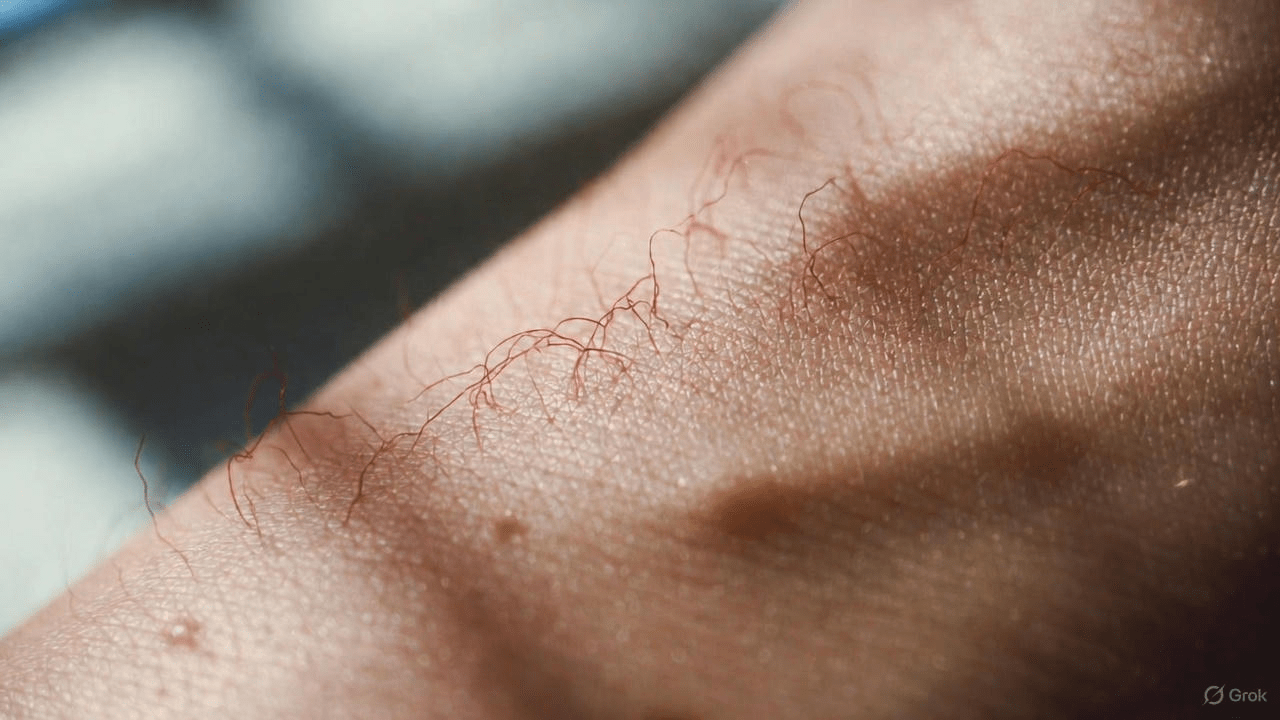
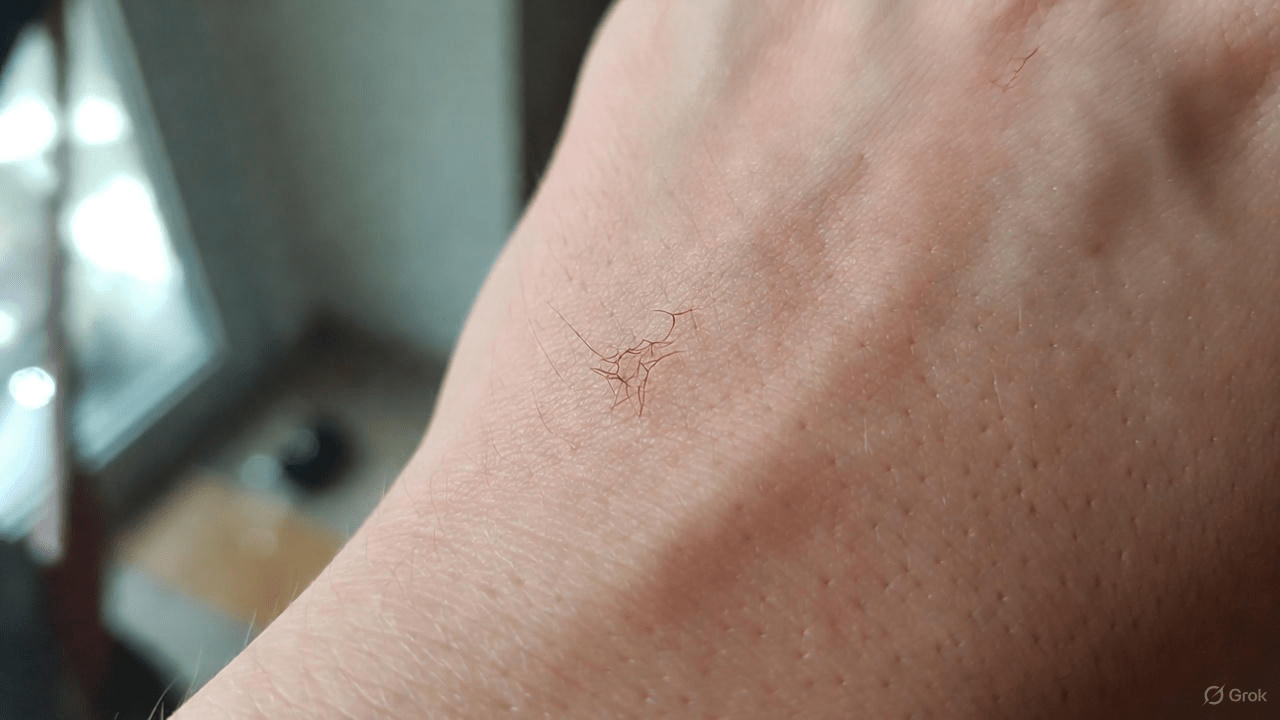
11. Small, Spider-Like Blood Vessels on the Skin
You might spot tiny red spots with branching lines, often on the chest, back, or face. Known as spider angiomas, they’re linked to hormonal shifts when the liver isn’t processing them efficiently. Multiple visible ones have been associated with liver concerns in medical studies.
10. Subtle Yellow Tinged Skin in Unexpected Areas
Yellowing often starts faintly on the palms, soles, or even under the nails before becoming more noticeable elsewhere. This comes from bilirubin buildup, a substance the liver typically handles. Checking in bright light can reveal early hints.
9. Unusual Breath Odor That’s Hard to Explain
Sometimes described as musty or faintly sweet, this breath change—called fetor hepaticus—can occur when the liver struggles to filter certain compounds. It’s not about oral hygiene and has been noted as a distinctive sign in liver disease literature.
8. Easy Bruising or Prolonged Bleeding
A minor bump leads to a large bruise, or small cuts take longer to stop bleeding. The liver produces proteins essential for clotting, so when function is affected, these issues can become more common.
7. Abdominal Swelling That Feels Firm
Fluid accumulation in the belly, known as ascites, can cause a tight, bloated feeling beyond typical weight gain. This develops due to pressure changes and protein imbalances in advanced liver conditions.
6. Occasional Brain Fog or Confusion
Moments of mental fuzziness, like forgetting why you entered a room, might come and go. Toxins that the liver normally removes can affect brain function, leading to mild cognitive glitches.
5. Unexplained Muscle Loss
Noticing thinner arms or legs without changes in activity or diet? The body may break down muscle to manage toxin buildup when liver processing is impaired.
4. Changes in Urine and Stool Color
Darker urine paired with paler stools is a classic combination. It occurs when bilirubin isn’t processed properly, backing up into urine while missing the intestines.
3. Ongoing Fatigue That Rest Doesn’t Resolve
Deep exhaustion that lingers despite sleep is one of the most reported early signals. Inflammation and toxin buildup can drain energy at a cellular level.
2. Swelling in Legs or Ankles
Fluid retention causing puffy lower legs, where a finger press leaves a temporary dent (pitting edema), stems from low protein levels that keep fluid in blood vessels.
1. Sudden Severe Symptoms Requiring Immediate Attention
Vomiting blood or passing black, tarry stools signals a medical emergency, often from swollen veins rupturing in advanced stages. Seek help right away if this occurs.
But wait, there’s more to consider…
Common Changes People Notice
To make it easier, here’s a quick overview of some frequently reported signs:
- Fatigue and low energy
- Itchy skin without rash
- Yellowing of skin or eyes (jaundice)
- Swelling in abdomen or legs
- Easy bruising
- Dark urine or pale stools
| Sign | What It Might Feel Like | Why It Happens |
|---|---|---|
| Persistent Itching | Intense, especially at night | Buildup of bile salts |
| Spider Angiomas | Small red spots with lines | Hormonal imbalances |
| Fatigue | Constant tiredness despite rest | Toxin accumulation and inflammation |
| Abdominal Swelling | Tight, fluid-filled belly | Fluid leakage and pressure changes |
| Easy Bruising | Large bruises from minor bumps | Reduced clotting proteins |
These are general patterns observed in studies—individual experiences vary.
Steps You Can Take If You Notice Multiple Signs
If two or more of these resonate, consider these practical actions:
- Schedule an appointment with your doctor soon.
- Ask about basic blood tests, such as a liver function panel (including ALT, AST, bilirubin, and albumin).
- Discuss imaging like an ultrasound if needed.
- Track your symptoms in a journal, noting when they occur and any patterns.
- Support overall health with balanced meals, hydration, and moderate activity.
Research suggests that habits like maintaining a healthy weight, limiting alcohol, and eating nutrient-rich foods can benefit liver function.
Supporting Your Liver Through Daily Habits
Small, consistent choices add up. Here’s a list of evidence-based tips:
- Eat plenty of fruits, vegetables, whole grains, and lean proteins.
- Stay hydrated with water throughout the day.
- Aim for regular physical activity, like walking 30 minutes most days.
- Avoid excessive processed foods and added sugars.
- Get vaccinated against hepatitis if recommended.
- Limit over-the-counter pain relievers and check with a doctor about medications.
Studies show these approaches can help maintain liver wellness, especially when started early.
The reality is, your body often communicates through subtle cues long before bigger issues arise. By tuning in now, you’re taking a compassionate step toward better health.
Conclusion
Recognizing these 12 subtle signs—from persistent itching and fatigue to swelling and color changes—can encourage earlier discussions with your healthcare provider. Early awareness opens doors to supportive steps that make a meaningful impact. And that surprising bonus sign? An intense craving for chewing ice (pagophagia), sometimes linked to nutritional imbalances that can accompany liver concerns—worth mentioning if it applies to you.
Frequently Asked Questions
What are the most common early indicators of liver concerns?
Fatigue, itchy skin, and subtle yellowing are among the frequently reported subtle signs, based on medical observations.
When should I see a doctor about potential liver issues?
If you notice several ongoing changes like unexplained tiredness, swelling, or bruising, it’s wise to consult a healthcare professional for personalized evaluation.
Can lifestyle changes support liver health?
Yes, research indicates that healthy eating, regular exercise, and weight management can positively influence liver function.
Disclaimer
This article is for informational purposes only and is not a substitute for professional medical advice, diagnosis, or treatment. Always seek the guidance of your healthcare provider with any questions or concerns about your health. If you experience severe symptoms, contact a medical professional immediately.