
Many women brush off unusual body changes as normal parts of aging, stress, or busy lifestyles. These small shifts often seem minor at first, making it easy to ignore them while focusing on family, work, or daily responsibilities. Yet paying closer attention to persistent changes can make a real difference in catching health issues early when they’re often easier to address.
The good news? You don’t need to panic over every little thing. But knowing which visible or felt changes deserve a closer look can empower you to take control of your health. Keep reading—I’ll share 14 common signs many women overlook, plus simple steps you can take today. And toward the end, I’ll reveal one surprisingly effective habit that research suggests could improve early detection.
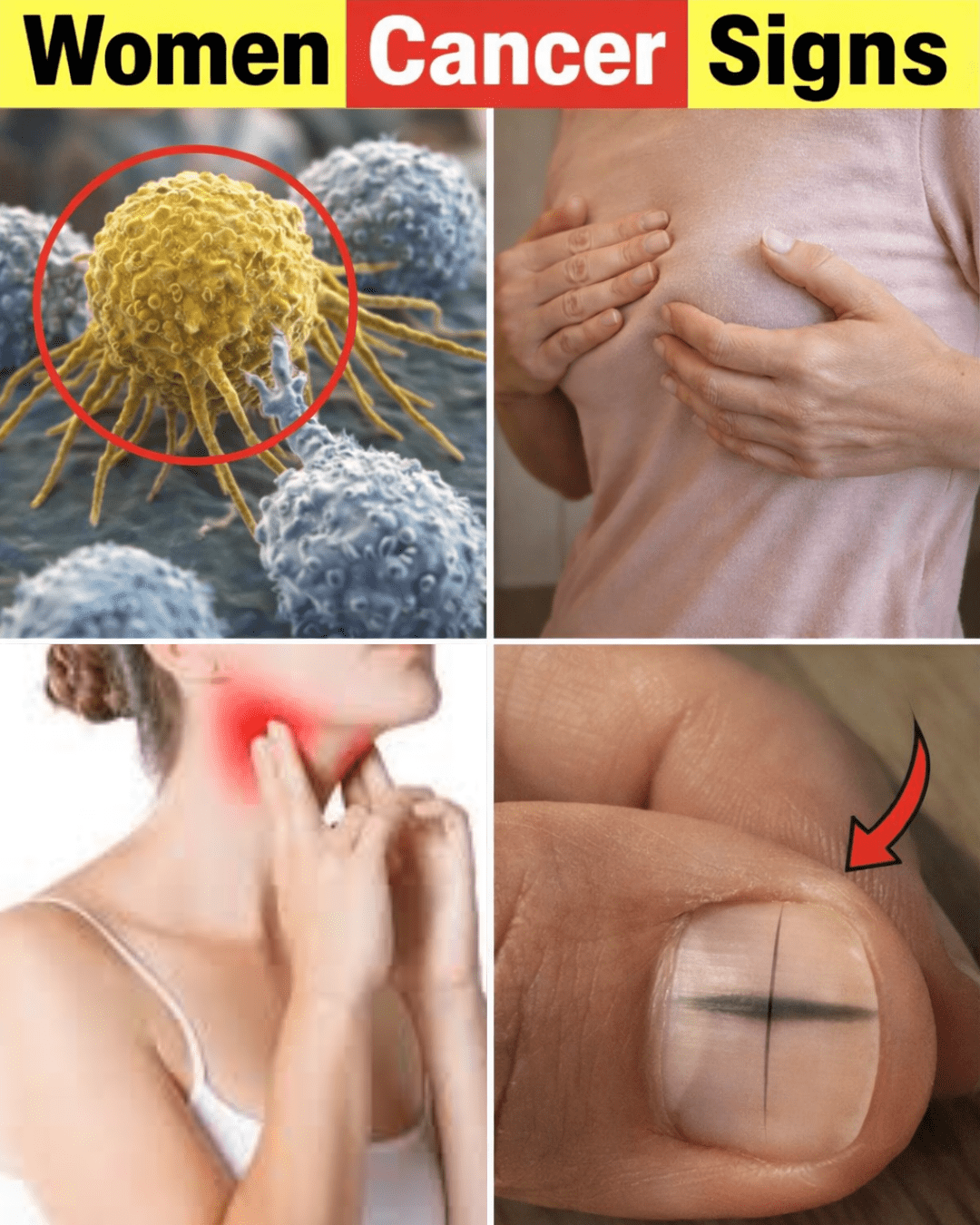
Why Early Attention Matters More Than You Think
Studies from organizations like the American Cancer Society show that early detection significantly improves outcomes for many serious conditions. When changes are noticed and checked early, options are often broader and less invasive.
But here’s the challenge: women tend to put their own health last. A survey by the Centers for Disease Control and Prevention found that nearly one in four women skip recommended screenings due to time constraints or assuming symptoms will go away.
The truth is, your body has its own way of sending signals. Learning to recognize them isn’t about fear—it’s about being proactive.
1. New Lumps or Swelling Anywhere on the Body
Finding a new lump in the breast, neck, underarm, or elsewhere can be alarming, but many are benign. Still, any lump that appears suddenly or grows should be evaluated.
Research published in the Journal of Clinical Oncology emphasizes that painless lumps can sometimes be early indicators of breast cancer or lymphoma. Regular self-checks help you notice changes faster.
2. Unusual Skin Changes You Can See
Keep an eye on moles that change in size, shape, or color. New dark spots, thickened patches, or sores that don’t heal within a few weeks deserve attention.
The Skin Cancer Foundation notes that skin cancer is one of the most common cancers in women, and early visual detection dramatically improves prognosis.
3. Visible Breast or Nipple Changes
Changes like dimpling, redness, unusual discharge, or suddenly inverted nipples aren’t normal. Even subtle shape changes matter.
Monthly breast self-exams, done a few days after your period, help you become familiar with what’s normal for you.
4. Irregular Vaginal Bleeding
Bleeding between periods, after sex, or after menopause should always prompt a doctor visit. It’s one of the most ignored red flags.
According to the American College of Obstetricians and Gynecologists, this symptom can sometimes point to cervical or uterine issues.
5. Persistent Bloating That Won’t Go Away
We all feel bloated sometimes, but constant fullness or a visibly swollen abdomen that lasts weeks—even after diet changes—needs checking.
Ovarian cancer is often called the “silent” disease, but many survivors report persistent bloating as their first noticeable sign.
6. Ongoing Pelvic or Lower Back Discomfort
Lower abdominal, pelvic, or back pain that lingers for more than a couple of weeks isn’t something to just “push through.”
This type of discomfort can sometimes be linked to reproductive organ changes.
7. Long-Term Changes in Bowel Habits
Ongoing constipation, diarrhea, narrower stools, or blood in the stool are worth discussing with a doctor.
Colorectal cancer rates are rising in younger women, making awareness especially important.
8. Urinary Changes or Blood in Urine
Frequent urges, pain when urinating, or visible blood should never be dismissed as a simple infection without confirmation.
Bladder and kidney issues can present this way.
9. Extreme Fatigue That Rest Doesn’t Fix
Feeling exhausted even after a good night’s sleep can be more than stress.
Chronic fatigue is a common early complaint in blood-related cancers like leukemia.
10. Unexplained Weight Loss
Losing 10 or more pounds without trying might seem like a bonus, but it can signal metabolic shifts caused by illness.
Doctors consider this a red flag when it happens rapidly and unintentionally.
11. A Cough or Hoarseness That Lingers
A cough lasting more than three weeks, especially with voice changes, deserves evaluation.
Lung and thyroid issues can start this way.
12. Ongoing Difficulty Swallowing
Feeling like food gets stuck or swallowing becomes painful over time isn’t normal aging.
Esophageal changes can present with this symptom.
13. Easy Bruising or Unusual Bleeding
Bruises appearing with minimal impact, bleeding gums, or frequent nosebleeds can indicate blood or platelet issues.

14. Mouth Sores or Patches That Don’t Heal
White or red patches inside the mouth or on lips that persist beyond two weeks—especially if you use tobacco or alcohol—need professional review.
Oral cancers are often detected visually during routine dental visits.
Simple Habits to Stay Ahead of Your Health
Here are practical steps you can start today:
- Perform monthly breast self-exams in the shower or lying down
- Track periods and any irregular bleeding in a simple app or calendar
- Schedule annual well-woman visits and recommended screenings
- Do a full-body skin check monthly in good lighting
- Stay hydrated and note persistent bloating patterns
- Listen to your body—don’t dismiss ongoing discomfort
Research from the World Health Organization shows that lifestyle awareness combined with regular checkups plays a key role in early detection.
The One Habit That Makes the Biggest Difference
Remember that surprising habit I mentioned earlier? It’s simply this: getting to know your own body through regular self-awareness routines.
Women who perform consistent self-checks and track changes report higher confidence in discussing concerns with doctors—and studies show they’re more likely to catch issues early.
Final Thoughts
Your health matters just as much as everyone else’s in your life. Paying attention to these subtle changes isn’t about worry—it’s about taking charge.
Talk to your doctor about any persistent symptoms. Early conversations lead to better outcomes.
Frequently Asked Questions
What should I do if I notice one of these changes?
Make an appointment with your healthcare provider soon. Describe when it started and how it’s progressed.
How often should women get health screenings?
Guidelines vary by age and risk factors. Most experts recommend annual well-woman exams and starting mammograms around age 40, but discuss your personal schedule with your doctor.
Can stress cause these symptoms?
Stress can contribute to many symptoms, but persistent changes should still be evaluated to rule out other causes.
Disclaimer: This article is for informational purposes only and is not a substitute for professional medical advice, diagnosis, or treatment. Always consult your healthcare provider about any health concerns or symptoms you experience. Early detection improves outcomes, but only a qualified medical professional can provide proper evaluation.


