
Many women juggle busy lives, families, and careers, so it’s easy to dismiss small changes in how you feel or look as just stress, aging, or hormones. These everyday explanations can make subtle shifts seem normal, but when they persist, they sometimes point to something more serious like certain cancers. The good news? Recognizing these patterns early and talking to a healthcare provider can make a real difference in outcomes, according to organizations like the American Cancer Society and Mayo Clinic.
But here’s the part most people miss: your body often sends quiet signals long before things become obvious. In this guide, we’ll explore 14 common yet frequently ignored signs, what they might mean, and simple steps you can take today. Keep reading to the end for practical ways to stay proactive – you might discover one easy habit that changes everything.

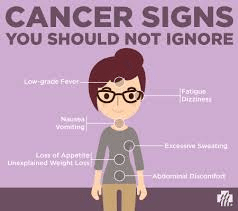
1. Unexplained Weight Loss Without Trying
Dropping more than 10 pounds in a short time without diet or exercise changes can feel like a win at first. However, research shows this occurs in many types of cancer, as the disease affects how your body uses energy.
Studies from reliable sources indicate that unexplained weight loss is a frequent early clue in cancers affecting the pancreas, stomach, or lungs. If this happens to you, track it for a few weeks and note any other changes.
2. Constant Fatigue That Rest Doesn’t Fix
Everyone gets tired, but cancer-related fatigue feels deeper – you wake up exhausted even after good sleep. Organizations like the American Cancer Society note this is common in blood cancers such as leukemia or lymphoma.
The difference? Normal tiredness improves with rest, while this lingers. If you’ve felt drained for weeks, consider logging your energy levels daily before your next checkup.
3. Skin Changes or New/Changing Moles
Your skin tells stories. A new mole, one that changes shape, color, or size, or a sore that won’t heal could relate to skin cancer, including melanoma.
Use the ABCDE rule from dermatology experts:
- Asymmetry (one half unlike the other)
- Border irregular
- Color varied
- Diameter larger than a pencil eraser
- Evolving over time
Photograph any suspicious spots to track changes easily.
4. Persistent Bloating or Abdominal Discomfort
Occasional bloating after meals is normal, but if it lasts more than two weeks, feels painful, or comes with feeling full quickly, it may link to ovarian or gastrointestinal issues, as noted by the CDC.
Many women attribute this to hormones, but persistent patterns deserve attention. Try keeping a food and symptom journal to spot triggers.
5. Breast Changes Beyond Just Lumps
We all know about lumps, but watch for skin dimpling (like orange peel texture), redness, swelling, nipple inversion, or unusual discharge.
These can appear in inflammatory breast cancer or other types. Perform monthly self-checks in front of a mirror to notice visual differences early.
6. Abnormal Vaginal Bleeding or Discharge
Bleeding after menopause, between periods, or heavier-than-usual flow shouldn’t be ignored. Reliable sources like the American Cancer Society highlight this as a key sign for endometrial or cervical cancers.
Track your cycle with an app – any break from your pattern is worth mentioning to your doctor.
7. Changes in Bowel or Bladder Habits
Sudden ongoing constipation, diarrhea, blood in stool/urine, or frequent urination needs review. These shifts sometimes connect to colorectal, bladder, or ovarian concerns.
Don’t feel embarrassed – doctors hear this often. Note frequency and consistency for your appointment.
8. A Cough or Hoarseness That Won’t Quit
A cough lasting over three weeks, especially with voice changes, may point to lung or throat issues. Add chest pain or shortness of breath, and it’s time to check.
Smokers or those exposed to irritants should be extra vigilant.
9. Sores That Refuse to Heal
Any mouth, gum, or skin sore lasting beyond two weeks, especially if it bleeds, could relate to oral or skin cancers.
Regular mouth checks with a flashlight help. If you use tobacco or alcohol, prioritize this.
10. Ongoing Trouble Swallowing or Indigestion
Food feeling stuck or constant heartburn not helped by over-the-counter remedies sometimes signals esophageal or stomach concerns.
Try eating smaller meals and note if symptoms persist.
11. Unexplained Pain in Back, Pelvis, or Bones
Chronic aches without injury, particularly in these areas, can occasionally relate to spread or specific cancers like ovarian.
Pain is a signal – don’t just mask it; explore the cause.
12. Swollen Lymph Nodes That Stay Enlarged
Firm, painless lumps in neck, armpit, or groin lasting weeks might indicate lymphoma or infection.
Most resolve, but persistence warrants a visit.
13. Frequent Fevers or Night Sweats
Low-grade fevers or drenching sweats without illness can tie to blood cancers.
Keep a symptom diary including temperature readings.
14. Mouth or Tongue Changes
White/red patches, thickening, or non-healing sores inside the mouth, especially with tobacco/alcohol use, may signal oral cancer.
Examine your mouth monthly.

Quick Reference: When to Pay Closer Attention
Here’s a simple overview to help you decide:
- Symptom → How Long to Watch → Possible Area of Concern
- Unexplained weight loss → 1 month → Digestive or metabolic
- Persistent fatigue → 2+ weeks → Blood-related
- Abnormal bleeding → Any new occurrence → Reproductive or colorectal
- Constant bloating → 2+ weeks → Ovarian/abdominal
- Skin/mole changes → Any noticeable shift → Skin/melanoma
Most of these signs turn out benign, but tracking helps.
Real-Life Reminders From Everyday Women
Many women share stories of noticing subtle shifts that led to timely checks. One common thread: they listened when something felt “off” instead of waiting. Early conversations with doctors often lead to peace of mind or manageable findings.
What You Can Do Right Now – Actionable Steps
- Know your normal – Track cycles, energy, weight, and skin monthly.
- Schedule regular checkups – Include screenings like mammograms (starting age 40-50 per guidelines) or Pap/HPV tests.
- Keep a symptom journal – Note duration, severity, and triggers.
- Talk openly – Share changes with your doctor without downplaying them.
- Adopt healthy habits – Maintain weight, stay active, limit alcohol, avoid tobacco.
These small routines build awareness without fear.
FAQ
What if I have one of these signs – does it mean cancer? No, most often these come from non-cancer causes like stress, infections, or hormones. But if persistent, a doctor can help rule things out.
How soon should I see a doctor if something feels wrong? If a change lasts 2+ weeks or worries you, sooner is better. Early checks provide clarity.
Are there screening tests for these cancers? Yes – mammograms for breast, Pap/HPV for cervical, colonoscopies for colorectal, and discussions for ovarian/endometrial based on risk.
This post is for informational purposes only and is not a substitute for professional medical advice. Always consult a qualified healthcare provider for any health concerns or symptoms.


