
Cockroaches are a common household nuisance that can appear unexpectedly, even in clean homes. They thrive in warm, humid environments with access to food and water, often hiding in cracks, behind appliances, and inside cabinets. Many people feel frustrated by recurring sightings and the worry about potential health concerns like contamination or allergen exposure. The good news is that simple, everyday items from your pantry and kitchen can help deter and reduce cockroach activity without relying on harsh chemical sprays.
In this guide, we’ll explore practical natural approaches backed by general research and user experiences, focusing on prevention, repellents, and targeted methods. While these won’t guarantee instant elimination for severe cases, they offer a safer starting point for managing the problem at home. Stick around to the end for a surprising combination approach that many find boosts results.
Why Focus on Natural Methods for Cockroach Control?
Traditional sprays can sometimes lead to temporary fixes, as cockroaches may develop resistance or hide from treated areas. Natural options, such as essential oils and powders, work by disrupting their behavior through scent, dehydration, or ingestion. Studies and entomology reports suggest that certain ingredients interfere with roach senses or physiology, making your home less inviting. These methods are often more family-friendly and eco-conscious, especially when used alongside good sanitation habits.
The key? Consistency and targeting the conditions that attract cockroaches in the first place.
Essential Prevention Steps First
Before trying any remedy, address the basics. Cockroaches need food, water, and shelter to survive.
Here are actionable prevention tips:
- Clean up food crumbs and spills immediately after meals.
- Store food in sealed containers and take out trash regularly.
- Fix leaky faucets and dry sinks at night.
- Seal cracks around doors, windows, pipes, and baseboards with caulk.
- Declutter areas like under sinks and behind appliances.
These steps alone can dramatically reduce activity, as experts from sources like the EPA and pest control guides emphasize sanitation as the foundation of long-term control.
Top Natural Repellents to Try
Many strong scents overwhelm cockroaches’ sensitive antennae, encouraging them to avoid treated zones.
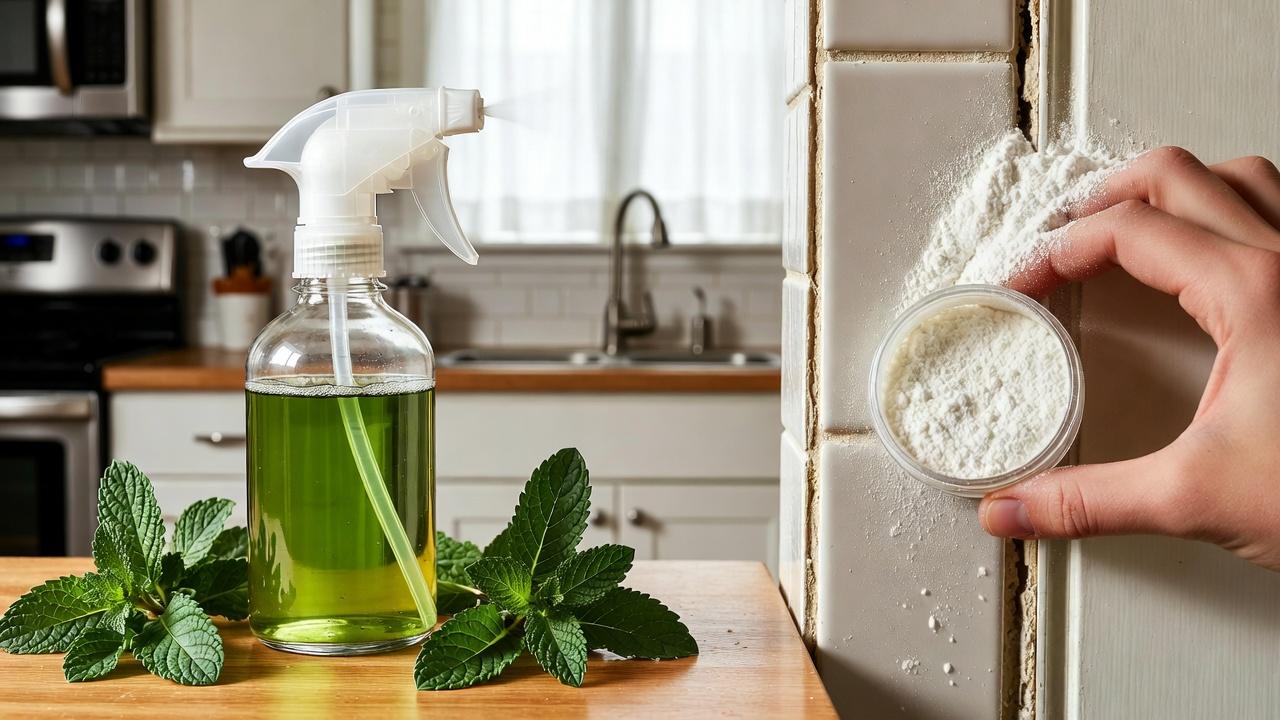
Peppermint Oil Spray Peppermint oil is one of the most popular options. Research on essential oils shows they can repel certain roach species by disrupting their ability to locate food and mates. How to use it: Mix 10-15 drops of pure peppermint essential oil with water in a spray bottle. Add a few drops of dish soap for better adhesion. Spray around entry points, cabinets, and baseboards. Reapply every few days or after cleaning.
Other Herbal Repellents Bay leaves and fresh mint leaves have been used traditionally for their aromatic properties. Place crushed bay leaves or fresh mint in pantries and corners. While evidence is mostly anecdotal, the strong smell may discourage exploration.
Vinegar Solution White vinegar’s acidity and odor can help clean surfaces and deter roaches. Wipe counters and floors with a 1:1 water-vinegar mix. It’s a simple way to maintain cleanliness while adding a repellent layer.
Mechanical and Dehydrating Methods
These options work by physically damaging or drying out roaches.
Food-Grade Diatomaceous Earth (DE) Diatomaceous earth is a natural powder from fossilized algae. Studies, including lab tests on German cockroaches, show it abrades the exoskeleton, leading to dehydration. It’s effective when dry and undisturbed. How to apply: Sprinkle a thin layer in cracks, under appliances, and along walls. Use food-grade only for safety around homes. Vacuum or reapply if it gets wet.
Boric Acid Baits (Use with Caution) Boric acid is a naturally occurring mineral often mixed with attractants like sugar or peanut butter. It acts as a stomach poison when ingested, and roaches may carry it back to the colony. Research supports its effectiveness for cockroaches, though it doesn’t kill eggs. How to make: Mix equal parts boric acid and sugar, place in shallow dishes near hiding spots. Keep far from children and pets, as it’s toxic if swallowed.
Bait and Trap Ideas Using Kitchen Staples
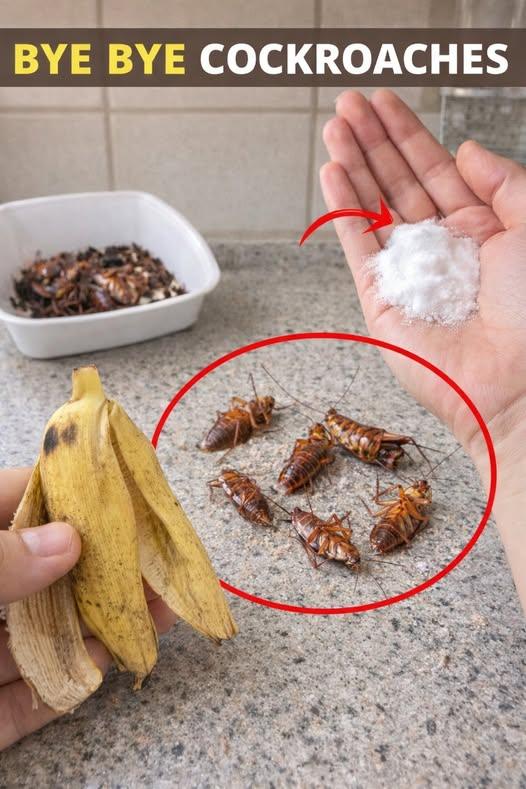
Baking Soda Mixtures Combine baking soda with sugar or onion to attract and disrupt digestion. Roaches ingest it, leading to gas buildup. Place in small containers where activity is seen.
Sugar and Borax Similar to boric acid, borax (a cleaning agent) draws out moisture. Mix with sugar for a simple bait.
These baits encourage sharing within the group, potentially reducing numbers over time.
Comparison: Natural Methods vs. Commercial Options
Here’s a quick overview to help you decide:
- Safety for Family/Pets — Natural options like DE (food-grade) and essential oils are generally lower risk when used properly. Boric acid/borax requires careful placement.
- Speed — Baits may take days to weeks; repellents work faster for deterrence.
- Long-Term — Combine with sealing and cleaning for best results.
- Cost — Most use items you already have.
Step-by-Step Weekly Plan for Results
- Week 1 — Deep clean, seal entry points, and apply DE barriers.
- Week 2 — Add peppermint sprays and baits in active areas.
- Ongoing — Monitor with sticky traps, refresh repellents, and maintain dryness.
Many people notice fewer sightings within a few weeks when combining approaches.
FAQ
How long do natural cockroach remedies take to work? Results vary by infestation size, but repellents may show effects in days, while baits can take 1-4 weeks. Consistency matters.
Are essential oils safe around pets? Some like peppermint can irritate pets if concentrated. Dilute properly and keep animals away from treated spots.
When should I call a professional? For large or persistent infestations, especially if you see daytime activity or health concerns, professionals can provide targeted solutions.
These natural approaches can help many households manage cockroach activity effectively. Start with prevention and one or two remedies that fit your routine.
Disclaimer: This information is for educational purposes only and not a substitute for professional pest management advice. Results vary, and severe infestations may require expert help. Always use products safely, following label instructions, and keep them away from children and pets.


