
Many adults experience the frustration of tired, heavy legs, cold hands and feet, or that uncomfortable achy feeling after sitting or standing for too long. These signs often point to everyday challenges with blood circulation, which can become more noticeable with age as blood vessels naturally lose some flexibility. The good news is that simple lifestyle adjustments can make a real difference in how your body supports healthy blood flow.
But what if there was one key habit that ties all the effective strategies together for even better results? Stick around until the end to discover it—it’s simpler than you think and backed by everyday science.
Why Supporting Circulation Matters as We Age
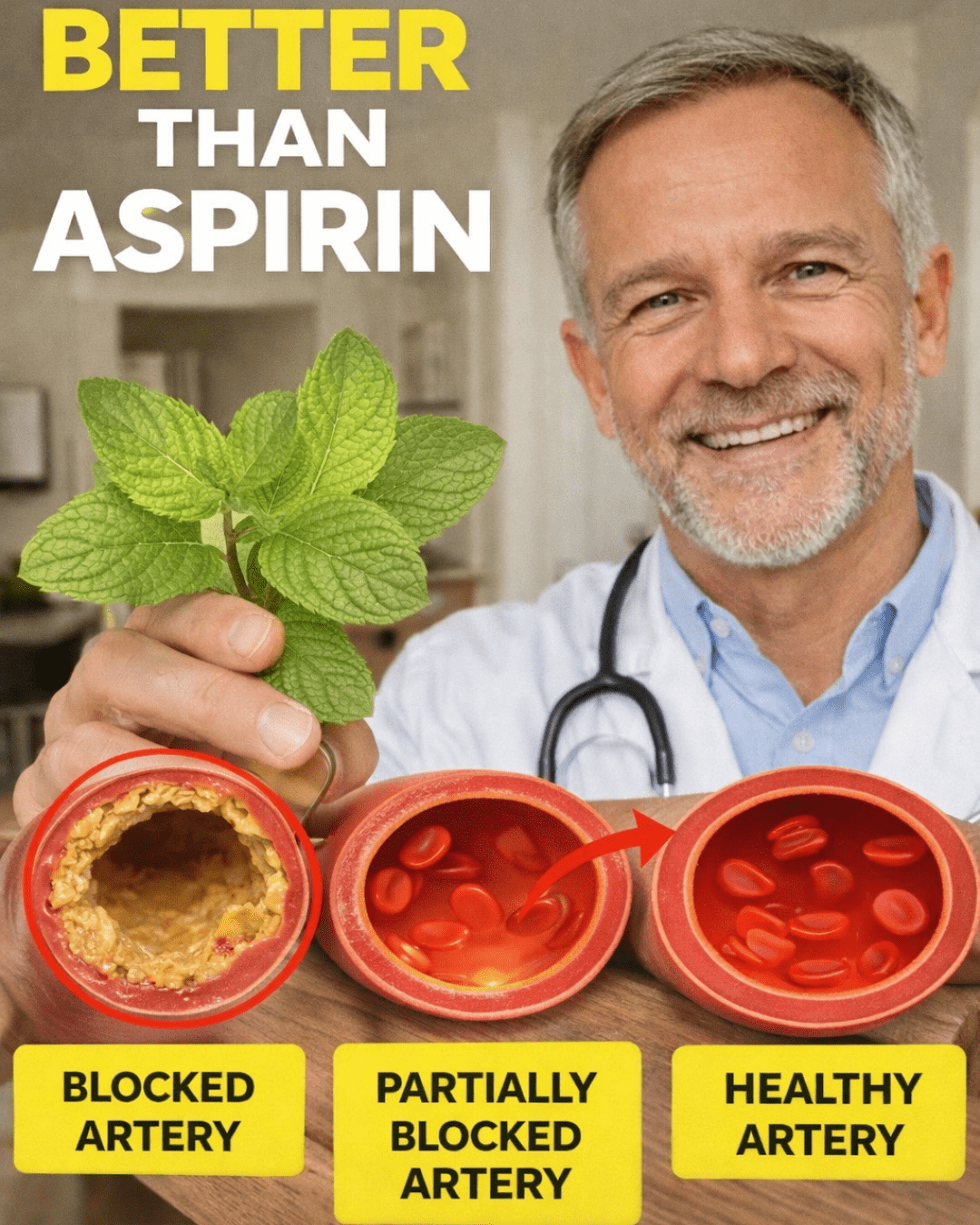
As we reach our 40s, 50s, and beyond, blood vessels can become less elastic, and flow to the extremities sometimes slows. Research shows that many adults over 50 notice symptoms like leg fatigue, mild swelling, or cooler hands and feet. These changes are common, but they don’t have to limit your daily comfort or energy.
Poor circulation can contribute to feelings of heaviness or visible vein changes over time. The encouraging part? Consistent small habits can help maintain better vessel function and overall comfort.
Build These 4 Foundational Habits First
Start here—these basics create the strongest foundation for supporting circulation.
1. Prioritize Daily Hydration Even mild dehydration can make blood thicker and harder to move efficiently. Studies suggest staying well-hydrated supports better flow to hands and feet. Aim for 8–10 glasses of water a day. Add a slice of lemon for flavor and a boost of vitamin C, which helps maintain vessel health. Track your intake—if you’re often below 7 glasses, start small and build up.
2. Avoid Smoking and Limit Alcohol Smoking damages vessel linings and restricts flow, while excess alcohol can raise blood pressure. Cutting back or quitting can lead to noticeable improvements in circulation within weeks, according to health experts.
3. Reduce Prolonged Sitting Sitting for long periods slows blood movement dramatically. Set a reminder to stand, stretch, or walk briefly every hour. Even small breaks help keep things flowing.
4. Manage Stress Levels Chronic stress can tighten vessels. Simple practices like deep breathing or short meditation sessions promote relaxation and support healthier flow.
But that’s just the start—here’s where food comes in as a powerful daily ally.
Foods That Naturally Support Better Blood Flow
Certain whole foods contain compounds like nitrates and antioxidants that encourage vessel relaxation and healthy flow. Research highlights several standouts.
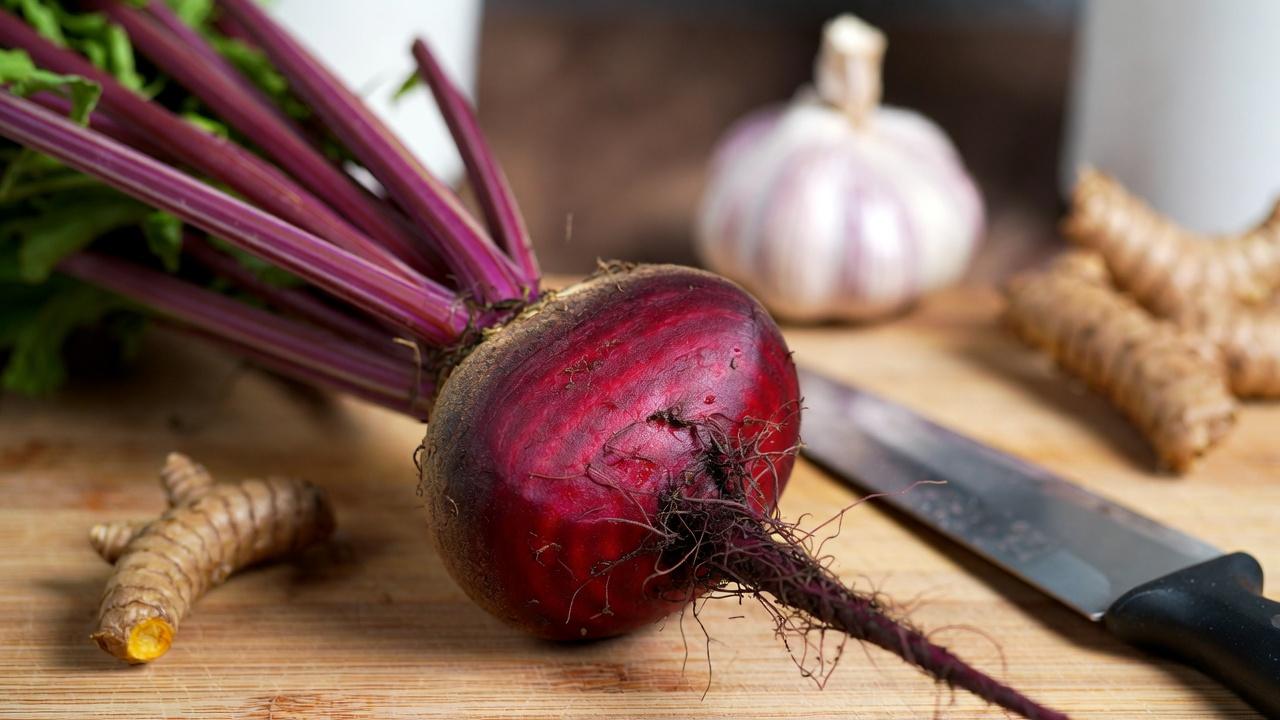
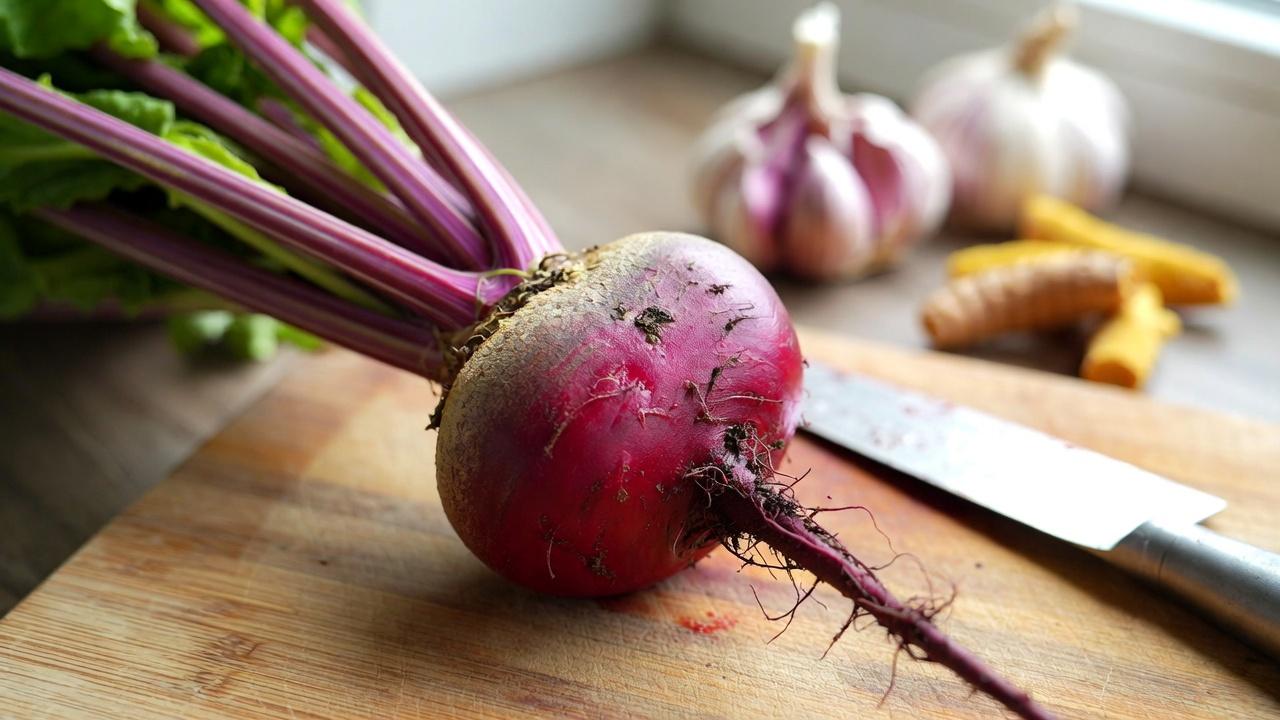
- Beetroot — Rich in nitrates that convert to nitric oxide in the body, helping vessels dilate. Studies show beet juice can support lower blood pressure and improved flow in adults. Try blending fresh beets into smoothies or roasting them as a side dish.
- Garlic — Contains allicin, a compound linked to relaxed vessels and reduced inflammation. Regular inclusion in meals has been associated with better circulation in various studies.
- Ginger and Turmeric — These anti-inflammatory spices promote vessel flexibility. Curcumin in turmeric, especially when paired with black pepper for better absorption, supports endothelial function.
- Cayenne Pepper — Capsaicin provides a gentle warming effect that may stimulate flow. Add a pinch to soups or teas.
Here are more circulation-friendly additions to consider:
- Leafy greens like spinach (high in nitrates)
- Citrus fruits (vitamin C for vessel strength)
- Berries (antioxidants to protect vessels)
- Fatty fish like salmon (omega-3s for reduced inflammation)
Which one will you try first this week?
Movement: The Most Powerful Tool for Circulation
Exercise is one of the best ways to promote healthy blood flow—especially in the legs.
9. Brisk Walking A daily 30-minute walk activates the calf muscle pump, pushing blood upward. It’s low-impact and highly effective for leg comfort.
10. Simple Calf Raises and Leg Elevations Stand and rise onto your toes 10–15 times, or elevate legs above heart level for 15 minutes daily to reduce pooling.
11. Low-Impact Options Like Yoga or Swimming Gentle poses (such as legs-up-the-wall) or swimming improve flexibility and flow without added strain.
Many people notice warmer feet and less heaviness after consistent movement.
Additional Home Strategies to Explore
12. Herbal Options — Some herbs like horse chestnut or ginkgo biloba have been studied for vein support. Always consult a healthcare provider before trying them.
13. Contrast Showers — Alternate warm and cool water to encourage vessel response.
14. Dry Brushing — Gently brush skin toward the heart to support lymphatic flow.
15. Gratitude or Relaxation Practices — Ending the day with a few moments of reflection can reduce stress-related vessel tension.
Quick Start Timeline for Lasting Habits
Week 1: Focus on hydration + short walks Week 2: Add key foods like beets and garlic Week 3: Incorporate elevations and gentle herbs (if suitable) Week 4: Layer everything for compounded benefits
The One Thing That Makes All the Difference
The real secret? Consistency plus layering multiple habits. Most see the best support when they combine hydration, movement, nourishing foods, and relaxation—rather than relying on just one change. Start small, track how your legs feel, and build from there.
Imagine feeling lighter and more energized in just a few weeks. The key is starting today with one easy step.
FAQ
How quickly can lifestyle changes support better circulation? Many notice subtle improvements in leg comfort within 2–4 weeks of consistent habits like walking and hydration, though results vary.
Are there foods to avoid for circulation support? Limit processed foods high in salt and saturated fats, as they can contribute to vessel stiffness over time.
Is exercise safe if I already have vein concerns? Low-impact activities like walking are generally helpful, but check with your doctor first for personalized advice.
This article is for informational purposes only and is not intended as medical advice. Always consult your healthcare provider before making changes to your routine, especially if you have existing health conditions.


