Many adults experience occasional cold hands and feet, leg heaviness after a long day, or fatigue that seems to linger. These common signs can point to everyday factors like prolonged sitting or dehydration, affecting how blood flows through the body. But here’s the encouraging part: simple, natural habits you can try at home may help support better circulation over time—and there’s a surprising everyday twist waiting at the end that ties it all together.
Nearly half of U.S. adults have some form of cardiovascular issue, according to recent health data. As we age, blood vessels naturally lose some flexibility, making efficient flow even more important. The good news? Research shows lifestyle changes can make a real difference in how energized you feel.
Ready to explore practical steps backed by science? Let’s dive in.
Why Supporting Circulation Matters as You Age
Blood vessels carry oxygen and nutrients to every part of your body. When flow is optimal, you feel more energetic and comfortable.
After 40 or 50, many notice changes like occasional swelling or cooler extremities. Studies indicate these experiences are common in adults over 50.
Factors like inflammation or inactivity can play a role. Temporary aids like elevation help, but building daily habits addresses the basics.
Here’s the thing: consistent, natural approaches may offer lasting support. And many are easy to start today.
4 Foundational Habits for Healthier Blood Vessels
Start here—these basics lay the groundwork.
1. Prioritize Daily Hydration
Even mild dehydration can thicken blood, making it harder to pump efficiently. Research shows proper fluid intake supports better flow to extremities.
How to do it: Aim for 8–10 glasses of water daily. Add lemon slices for flavor and a boost of vitamin C, which helps maintain vessel strength.
Quick tip: Carry a reusable bottle and sip throughout the day.
2. Avoid Smoking
Tobacco damages vessel linings and restricts flow. Studies link quitting to noticeable improvements in weeks.
If applicable, consider resources for support—many find success with gradual steps.
3. Enjoy Alcohol in Moderation
Limited amounts may have minor benefits, but excess can tighten vessels. Stick to guidelines: up to one drink per day for women, two for men.
4. Incorporate More Movement
Sitting for long periods slows flow. Standing and stretching hourly helps.
But that’s just the start…
Nutrient-Rich Foods That Support Blood Flow
Certain foods provide compounds like nitrates and antioxidants that promote vessel relaxation.
5. Include Beets Regularly
Beets are high in nitrates, which the body converts to nitric oxide—a natural vessel relaxer. One study in older adults found beet juice supported healthier blood pressure and flow.
Try this: Roast beets for salads or blend into smoothies.
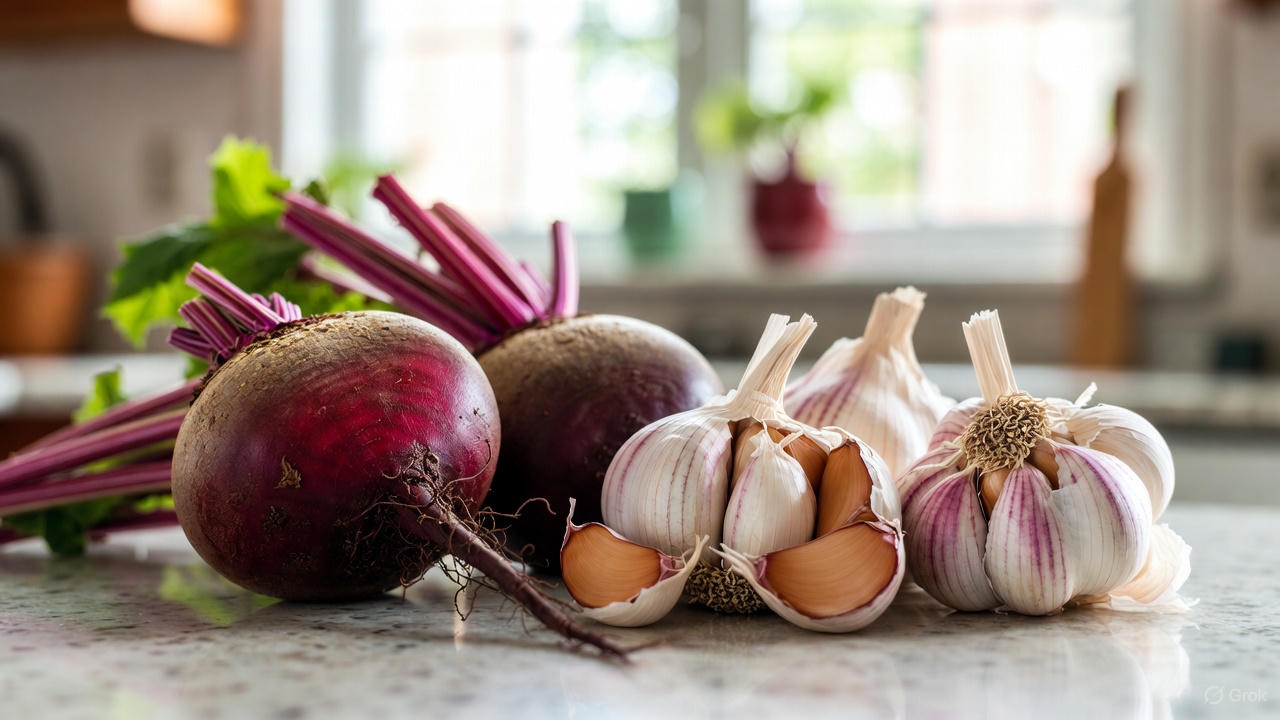
6. Add Fresh Garlic
Garlic’s allicin compound helps relax vessels. Research suggests it supports reduced inflammation and better flow.
Easy way: Crush a clove and add to meals—let it sit 10 minutes for maximum benefit.
7. Use Ginger and Turmeric
These spices have anti-inflammatory properties. Curcumin in turmeric, especially with black pepper, may improve vessel function, per studies.
Idea: Make warm ginger-turmeric tea with a pinch of pepper.
8. Sprinkle in Cayenne
Capsaicin gently stimulates flow. A dash in food adds warmth without overwhelm.
Which one will you try first? Even small additions can build up.
Movement Routines to Boost Circulation Naturally
Physical activity is one of the most effective ways to encourage healthy flow.
9. Walk Briskly Daily
Walking strengthens calf muscles, acting like a “pump” for return flow. Aim for 30 minutes most days.
Research shows regular walking supports vessel health.
10. Try Leg Elevations and Raises
Lie down and raise legs above heart level for 15 minutes. Add calf raises while standing.
These simple moves reduce pooling and build strength.
11. Explore Yoga or Swimming
Gentle, low-impact options improve flexibility and flow without strain.
Many report feeling more energized after consistent practice.
Here’s where it gets even better…
Additional Home Strategies to Try
Layer these for more support.
12. Consider Herbal Teas
Herbs like ginkgo or ginger have been studied for vessel tone. Brew as tea, but check with your doctor first.
13. Experiment with Contrast Showers
Alternate warm and cool water (end on cool). This trains vessels gently—some find it invigorating.
14. Practice Dry Skin Brushing
Use a soft brush on dry skin, stroking toward the heart. It may stimulate lymphatic flow.
15. Focus on Stress Reduction
Deep breathing or short meditations help, as stress can tighten vessels. Studies link relaxation to better vascular response.
| Strategy | Why It Helps | Easy Starting Tip |
|---|---|---|
| Hydration + Walking | Supports volume and pumping | Drink a glass upon waking; walk 10 minutes post-meal |
| Beets + Garlic | Nitric oxide and relaxation | Add to one meal daily |
| Yoga + Elevation | Flexibility and reduced pooling | 10-minute session + evening elevation |
| Turmeric Tea + Breathing | Anti-inflammatory + calm | Evening cup + 5 deep breaths |
Putting It All Together: A Simple 4-Week Plan
Week 1: Focus on water and short walks.
Week 2: Add circulation-friendly foods.
Week 3: Include elevations and a new spice.
Week 4: Layer in relaxation and contrast showers.
Consistency is key—many notice gradual changes with steady habits.
The surprising twist? Pairing these with something as simple as staying warmly dressed or enjoying green tea can amplify benefits. Research highlights antioxidants in tea for vessel support.
Start with one or two that feel doable. Track how you feel after a week—you might be pleasantly surprised.
Frequently Asked Questions
How long until I notice changes in circulation?
Everyone varies, but some feel differences in energy or comfort within weeks of consistent habits. Patience helps.
Can these habits replace medical advice?
No—they support overall wellness. Always consult your healthcare provider for personal concerns.
What if I have limited mobility?
Seated stretches, arm circles, or even ankle pumps while sitting can help. Start small.
This information is for educational purposes only and is not medical advice. Consult a healthcare professional before making changes, especially if you have health conditions.
(Word count: approximately 1350)