
Every day, many of us deal with minor annoyances like occasional bloating after meals, stubborn odors in the fridge, or buildup on skin and hair from daily life. These small issues can make you feel less comfortable or fresh, and it’s frustrating when common solutions involve harsh chemicals or frequent store trips. But there’s a natural, versatile ingredient that’s been used for generations in various household ways, and it might surprise you how many simple applications it has around the home. Keep reading, because toward the end, I’ll share one overlooked kitchen combination that many people find particularly handy.

What Makes Activated Charcoal Unique?
Activated charcoal starts as regular charcoal but gets processed with high heat to create a highly porous structure. This porosity allows it to adsorb certain molecules, acting like a sponge for impurities.
Research, including reviews in medical journals, highlights its adsorptive properties, which is why it’s commonly used in specific medical settings. At home, these same qualities inspire everyday explorations for purification tasks.
That said, it can bind to a wide range of substances, so careful timing is important for any internal ideas.
Ideas for Oral Care Exploration
Some people experiment with activated charcoal to gently polish away surface stains from things like coffee or tea.
Simple Coconut Oil and Charcoal Mix
This pairing feels milder for many.
Here’s a basic way to try it:
- Combine ½ teaspoon food-grade activated charcoal powder with 1 teaspoon coconut oil.
- Gently brush for 1–2 minutes.
- Rinse well with water.
- Limit to 2–3 times weekly.
Studies, such as those reviewed by the American Dental Association, indicate it may help with surface stains but can be abrasive, so occasional use is recommended.
Deep-Cleansing Face Mask Suggestions
For those with oily or combination skin, activated charcoal is a popular ingredient in masks to absorb excess oil.
Calming Aloe Vera and Charcoal Mask
- 1 teaspoon activated charcoal powder
- 2 teaspoons pure aloe vera gel
- Optional: ½ teaspoon honey for added soothing
Apply to clean skin, leave on for 10–15 minutes, then rinse with warm water. Many notice skin feels refreshed afterward.
Aloe vera provides a soothing base while charcoal handles oil absorption.
Supporting Occasional Digestive Comfort
After indulgent meals, occasional gas or bloating can occur. Some find activated charcoal helpful for trapping gas in the gut.
A typical exploration:
- 500–1000 mg (often 1–2 capsules) with plenty of water.
- Use sporadically, not routinely.
A study in the American Journal of Gastroenterology suggested it may help reduce gas for some people.
Always pair with extra water to stay hydrated.
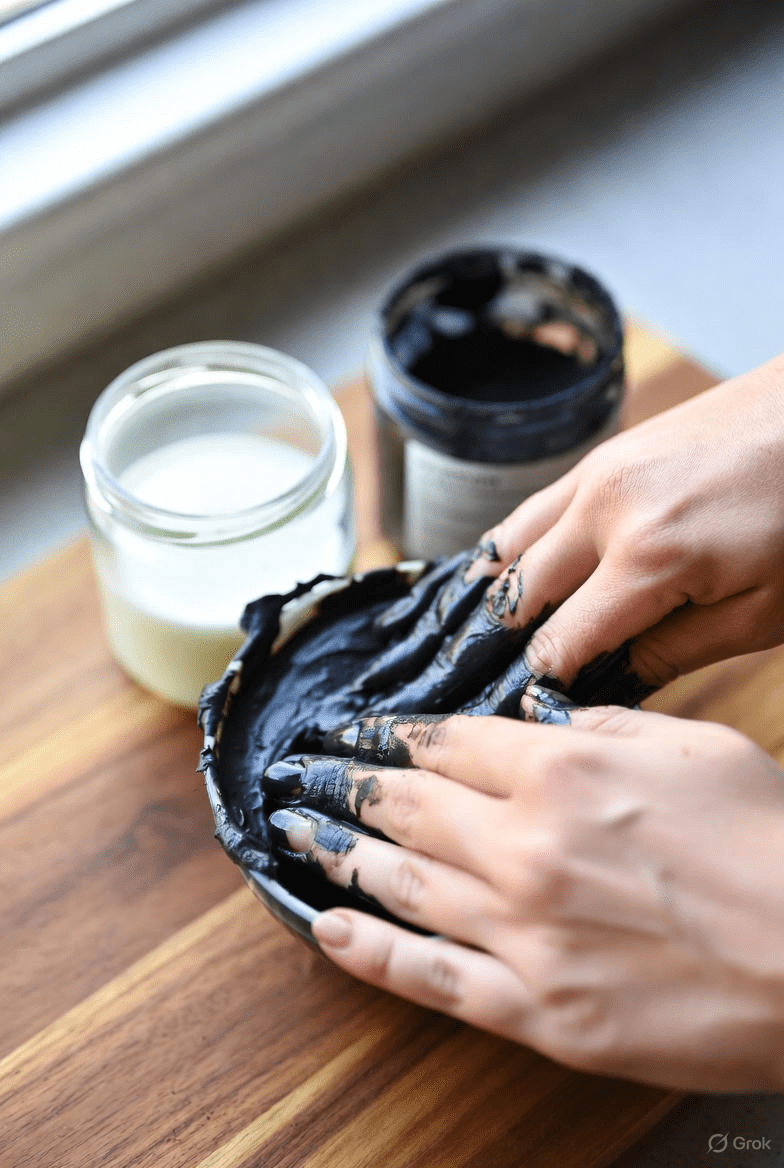
Simple Ways to Enhance Water at Home
Activated charcoal is a key element in many filters due to its adsorptive nature.
Easy Jar Method
- Fill a glass jar with tap water.
- Add food-grade charcoal pieces or a pouch.
- Let stand 4–8 hours in the fridge.
- Pour carefully or strain.
Many report a fresher taste with reduced chlorine notes.
Garden and Soil Ideas
Garden enthusiasts often use biochar (a charcoal variant) to support soil.
Food-grade or natural crushed charcoal (avoid additives):
- Improves drainage
- Helps hold nutrients
- Balances soil over time
- May naturally repel some pests
Incorporate 5–10% into soil mixes. Gardens sometimes show improved plant vitality.
Relaxing Foot Soak Option
For tired feet, a soothing soak can refresh.
- Warm water in a basin
- 1–2 tablespoons charcoal powder
- Optional: essential oils like tea tree or peppermint
Soak 15–20 minutes. Feet often feel cleaner and less odorous.
Clearing Hair Buildup
Product residue can weigh hair down.
Add ½ teaspoon charcoal to shampoo weekly. Massage, wait 2–3 minutes, rinse. Hair may feel lighter.
Natural Home Freshness Tips
Charcoal excels at absorbing odors and moisture.
Place breathable bags or open containers in:
- Fridges
- Shoes
- Closets
- Cars
- Basements
Refresh every 1–2 months.
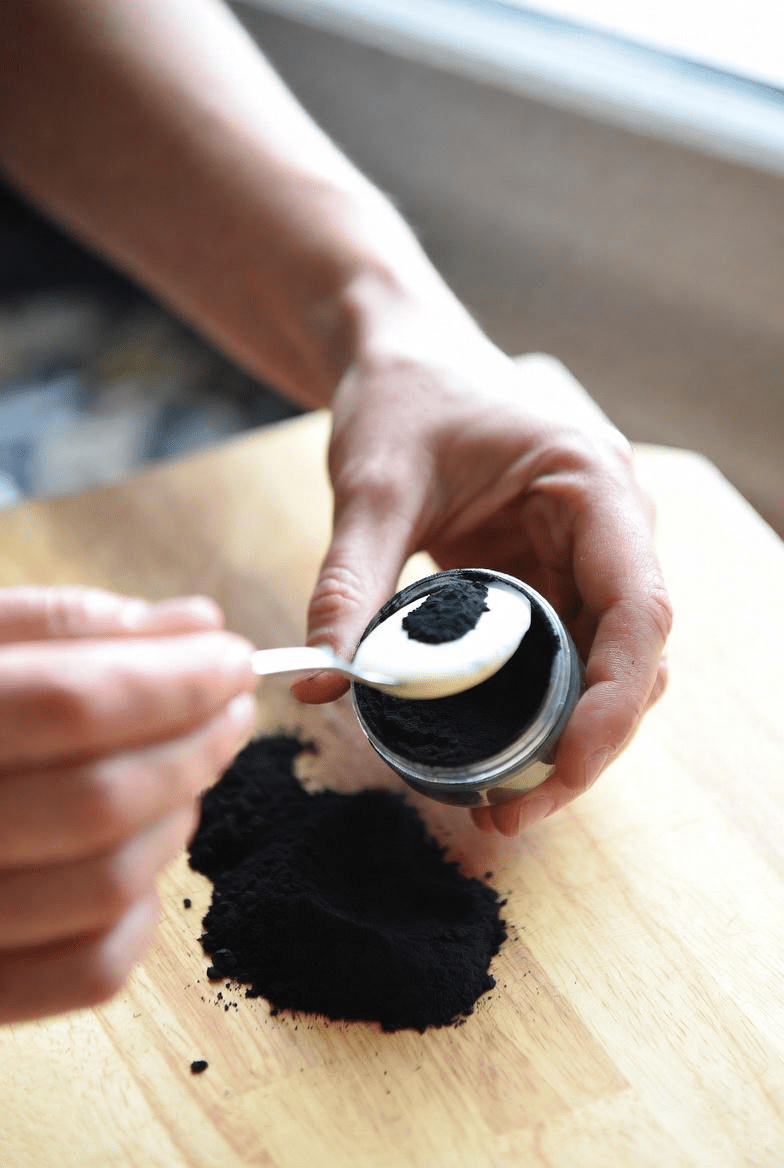
Spot Applications for Minor Irritations
For bug bites or redness, a simple paste:
Mix powder with water, apply, cover briefly. It may draw out surface irritants.
Popular Herbal Pairings
Combining with herbs for post-meal comfort:
- With ginger tea for soothing
- Peppermint for freshness
- Chamomile for calm
Take charcoal 30–60 minutes after tea.
Morning Drink Addition
Some add a pinch to lemon water on an empty stomach, waiting 2 hours before eating or supplements.
This spacing avoids nutrient interference.
Ready-Made Soap Options
Charcoal soaps are common for:
- Daily gentle cleansing
- Balancing oil
- Fresh feel
Popular for active lifestyles.
The Overlooked Kitchen Combination
Here’s that handy tip: mix equal parts activated charcoal and baking soda in an open dish for the fridge.
It absorbs gases that hasten spoilage, helping produce last longer. Many find this extends freshness noticeably.
But that’s not all—here are more ways people incorporate it daily:
- As pouches in gym bags for odor control
- In pet areas for freshness
- Mixed into natural deodorants
Important Safety Notes
- Opt for food-grade for any consumable or skin contact ideas.
- Space away from medications or supplements to avoid reduced absorption.
- Hydrate well with internal use.
- Avoid long-term daily routines without expert input.
- Prevent powder inhalation.
Final Thoughts
Activated charcoal offers numerous practical, time-honored ideas for home freshness, personal care, and simple wellness support. When explored mindfully and occasionally, many appreciate its versatility, supported by both tradition and some research findings.
Frequently Asked Questions
Is activated charcoal suitable for daily use?
It’s generally best for occasional exploration, as routine use might affect nutrient or medication absorption.
Can children try activated charcoal ideas?
Consult a healthcare professional first, as needs vary by age.
Where to find quality activated charcoal?
Seek food-grade, reputable sources in powder, capsule, or chunk forms.
Disclaimer: This article is for informational purposes only and is not medical advice. Always consult a qualified healthcare professional before trying new ideas, especially with health conditions or medications.
(Word count: approximately 1350)


