
Many adults experience occasional discomfort from cold hands or feet, tired legs after a long day, or mild swelling in the lower extremities. These common signs can stem from everyday factors like prolonged sitting, dehydration, or natural changes with age. The good news? Small, consistent lifestyle adjustments can help promote better blood flow and vessel flexibility right from the comfort of home.
Research shows that even mild improvements in daily habits can make a noticeable difference in how energized your legs feel. But here’s the exciting part: we’ll uncover practical strategies backed by science—and reveal one key insight at the end that ties it all together for lasting results.
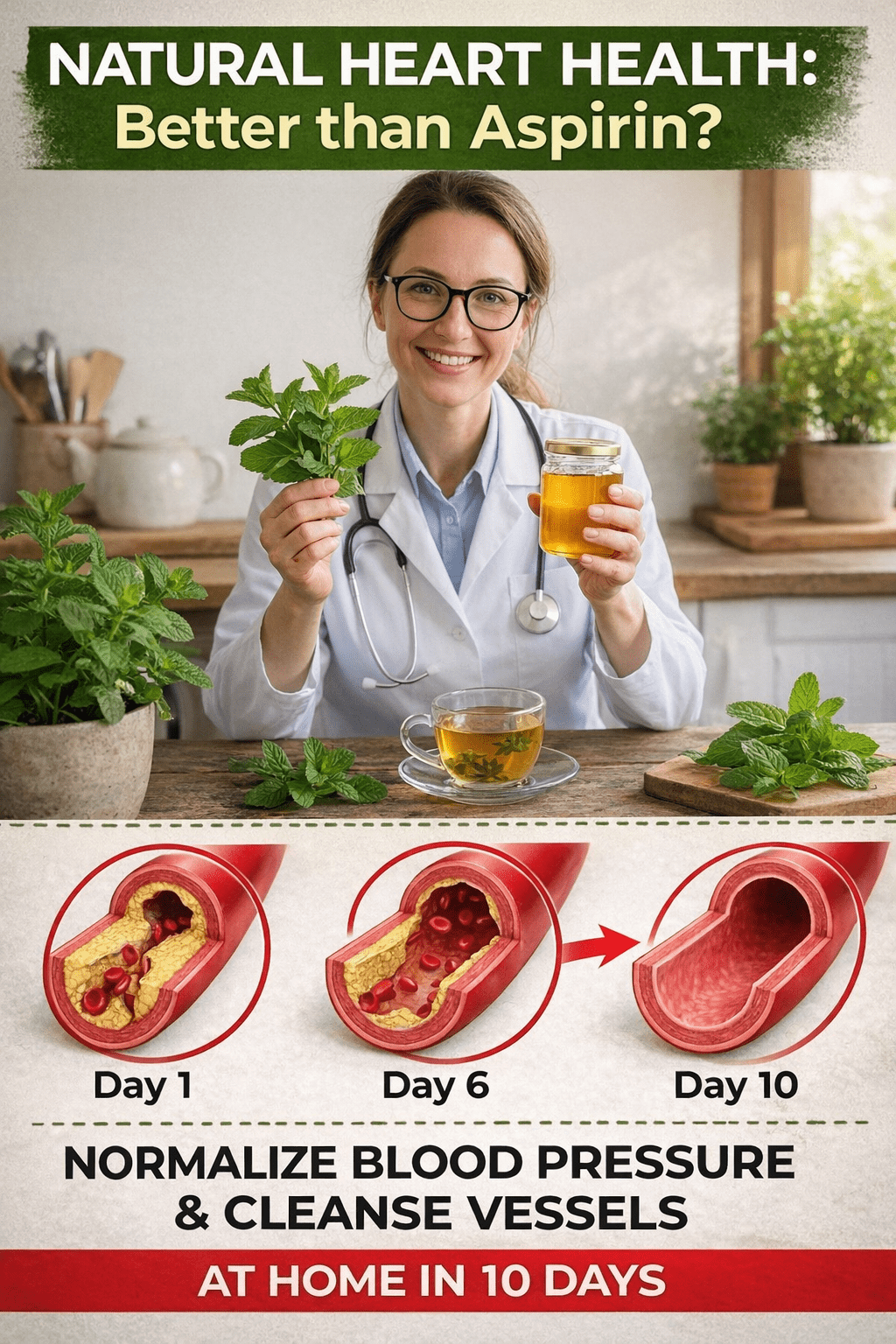
Why Good Circulation Matters at Any Age
As we get older, blood vessels naturally lose some elasticity, and flow can slow down slightly. Studies indicate that many adults over 50 notice occasional leg heaviness or cooler extremities from time to time.
It’s common to feel that achy sensation after standing or sitting for hours. Temporary fixes like propping up your feet help in the moment, but addressing everyday contributors—like hydration, movement, and nutrition—offers longer-term support.
Ready to explore easy ways to encourage healthier circulation? Let’s dive in.
The Basics: 4 Everyday Habits for Stronger Blood Vessels
Start with these foundational steps. They’re simple yet powerful.
- Drink Plenty of Water Daily
Dehydration can make blood thicker and harder to pump. Research shows staying hydrated supports efficient flow to the extremities. Aim for 8–10 glasses a day—try adding slices of lemon or cucumber for natural flavor and added antioxidants. - Avoid Smoking
Smoking can damage vessel linings over time. Quitting allows improvements in flow within weeks, according to studies. - Moderate Alcohol Intake
While small amounts may have minor effects, excess can affect blood pressure. Stick to guidelines: no more than one drink per day for women and two for men. - Stand and Move Regularly
Long periods of sitting slow down flow. Set a reminder to stand, stretch, or take a short walk every hour.
These habits form the base. But that’s just the beginning…
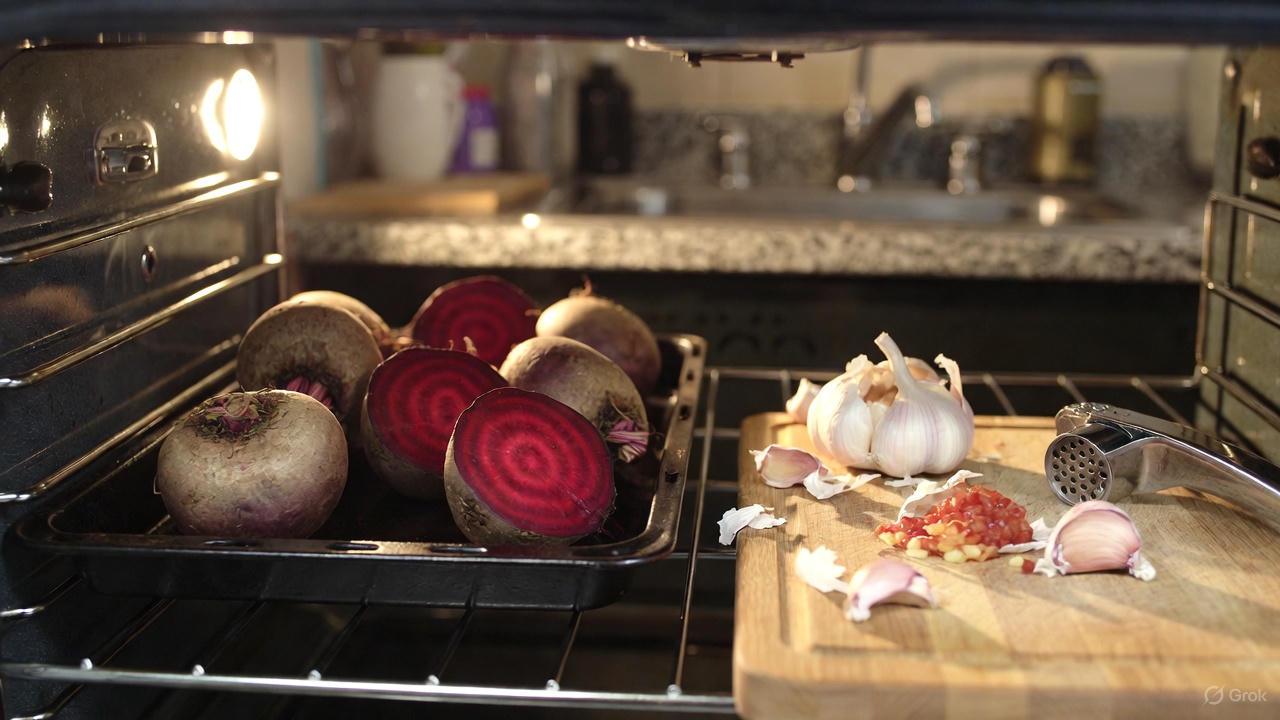
Nourishing Foods That Promote Better Blood Flow
Certain foods naturally support nitric oxide production, a compound that helps vessels relax.
Top Choices to Add to Your Meals
- Beets
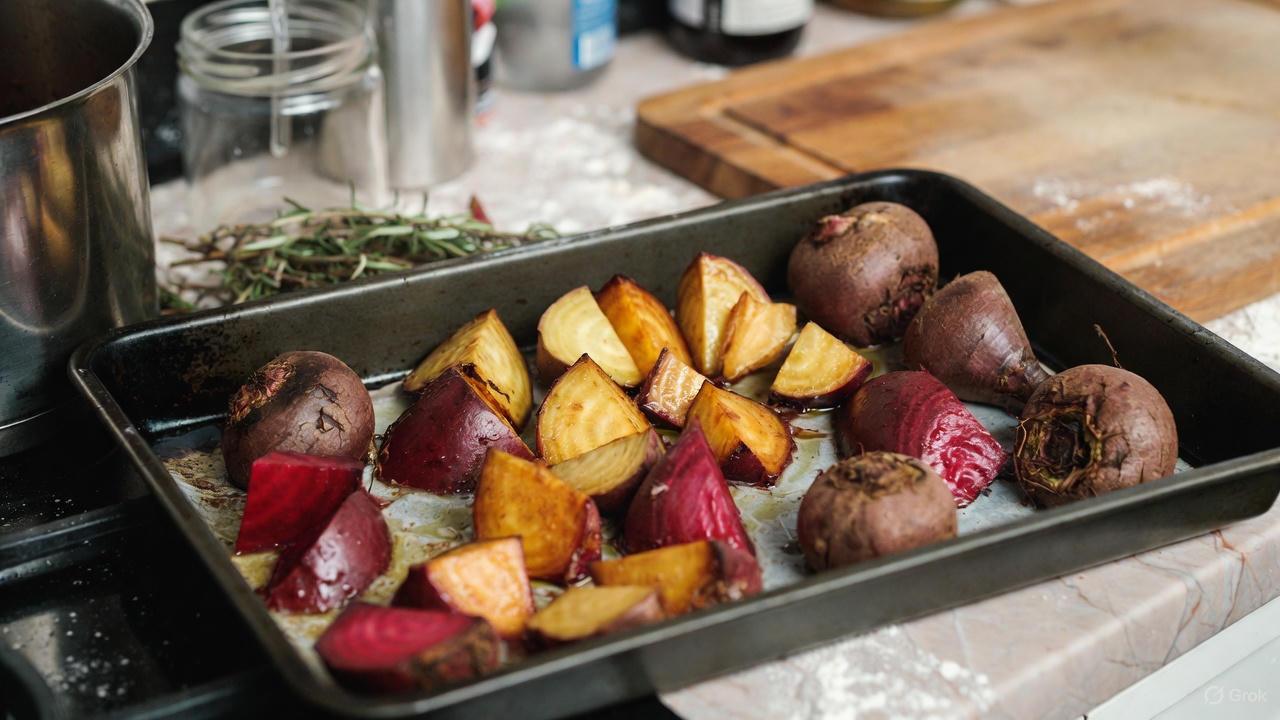
Rich in nitrates, beets convert to nitric oxide in the body. Studies on older adults show beet juice may support lower blood pressure and improved flow. Try roasting beets or blending into smoothies. - Garlic
Compounds like allicin help relax vessels. Research links regular garlic intake to better endothelial function and reduced inflammation. Add fresh crushed garlic to salads or stir-fries. - Ginger and Turmeric
These spices have anti-inflammatory properties. Curcumin in turmeric supports vessel health when paired with black pepper for absorption. Brew into tea or add to soups. - Cayenne Pepper
Capsaicin stimulates circulation. A pinch in meals or warm drinks can provide a gentle warming effect.
Which one will you try first? Even adding one or two can build over time.
Movement: The Natural Way to Boost Circulation
Physical activity strengthens the muscles that help pump blood back to the heart.
Easy Exercises You Can Do Anywhere
- Brisk Walking
Aim for 30 minutes most days. It engages calf muscles—the “second heart”—to support upward flow. - Leg Elevations
Lie down and raise legs above heart level for 10–15 minutes daily. This uses gravity to encourage drainage and reduce pooling. - Calf Raises
Stand and rise onto your toes 10–15 times. Repeat a few sets to strengthen lower legs. - Yoga Poses
Gentle flows like Downward Dog or Legs-Up-the-Wall improve flexibility and flow. Studies show yoga supports vascular responsiveness.
Many people notice lighter legs and more energy after consistent movement.
Additional Home Strategies to Explore
Here are more evidence-based ideas:
- Contrast Showers
Alternate warm and cool water on legs for 30 seconds each. This trains vessels to respond better. - Deep Breathing or Meditation
Stress can tighten vessels. Daily deep breaths help relaxation and better flow. - Herbal Teas
Options like green tea or ginger provide antioxidants. Research suggests they support vessel function.
The real difference comes from layering these habits consistently.
Quick 4-Week Plan to Get Started
| Week | Focus | Simple Actions | Potential Benefit |
|---|---|---|---|
| 1 | Hydration & Basic Movement | 8+ glasses water + short daily walks | Lighter feeling in legs |
| 2 | Add Nourishing Foods | Include beets, garlic, or ginger meals | Noticeable energy support |
| 3 | Incorporate Exercises | Leg elevations + calf raises | Reduced occasional heaviness |
| 4 | Layer Relaxation | Contrast showers + deep breathing | Overall improved comfort |
Start small—one change at a time builds momentum.
The Key Insight: Consistency Makes the Difference
All these strategies work best when combined regularly. Studies emphasize that sustained healthy habits support vascular health over time. Imagine feeling more energized in your daily routine—many find that’s the rewarding outcome.
Frequently Asked Questions
1. How long before noticing changes in circulation?
Most people feel differences within a few weeks of consistent habits, though individual results vary.
2. Can these habits help with occasional leg swelling?
Yes, hydration, movement, and elevation often provide support for mild swelling.
3. Are there foods to limit for better flow?
Reducing excess salt and saturated fats can complement these positive choices.
This information is for educational purposes only and is not a substitute for professional medical advice. Always consult your healthcare provider before making changes, especially if you have existing health conditions.
(Word count: approximately 1350)


