Many people over 45 quietly worry about cancer risk, especially when it has touched family or friends. The uncertainty can feel heavy, and wondering if everyday choices truly make a difference only adds to the concern. Yet decades of research point to one consistent factor that may help shift the odds in your favor. Keep reading to discover the simple, colorful foods that studies repeatedly link to lower risk—and the surprising everyday habits that make them even more effective.
Why Diet Plays a Bigger Role Than Most People Realize
Researchers estimate that 30–50% of cancer cases may be preventable through diet and lifestyle changes, according to the World Cancer Research Fund and American Institute for Cancer Research. That’s a powerful number. It means the foods you choose daily could support your body’s natural defenses.
Large population studies show that people who eat more plant foods tend to have lower rates of several common cancers. The reason isn’t just one nutrient. It’s the thousands of natural compounds in plants working together—something supplements rarely match.
But that’s only part of the picture.
How Plant Compounds May Help Your Body Stay Balanced
Plants contain phytochemicals that research suggests may help in several ways:
- Neutralize harmful free radicals
- Support the body’s detoxification processes
- Influence inflammation pathways linked to disease development
- Promote healthy cell signaling
These effects are subtle, not dramatic. But over years, they may add up to meaningful protection. The key is consistency, not perfection.
Here’s the part many people miss: certain plant foods deliver these compounds in higher amounts.
The 16 Plant-Based Foods Backed by the Strongest Research
These everyday choices appear again and again in studies on cancer prevention. They’re accessible, affordable, and easy to add to meals.
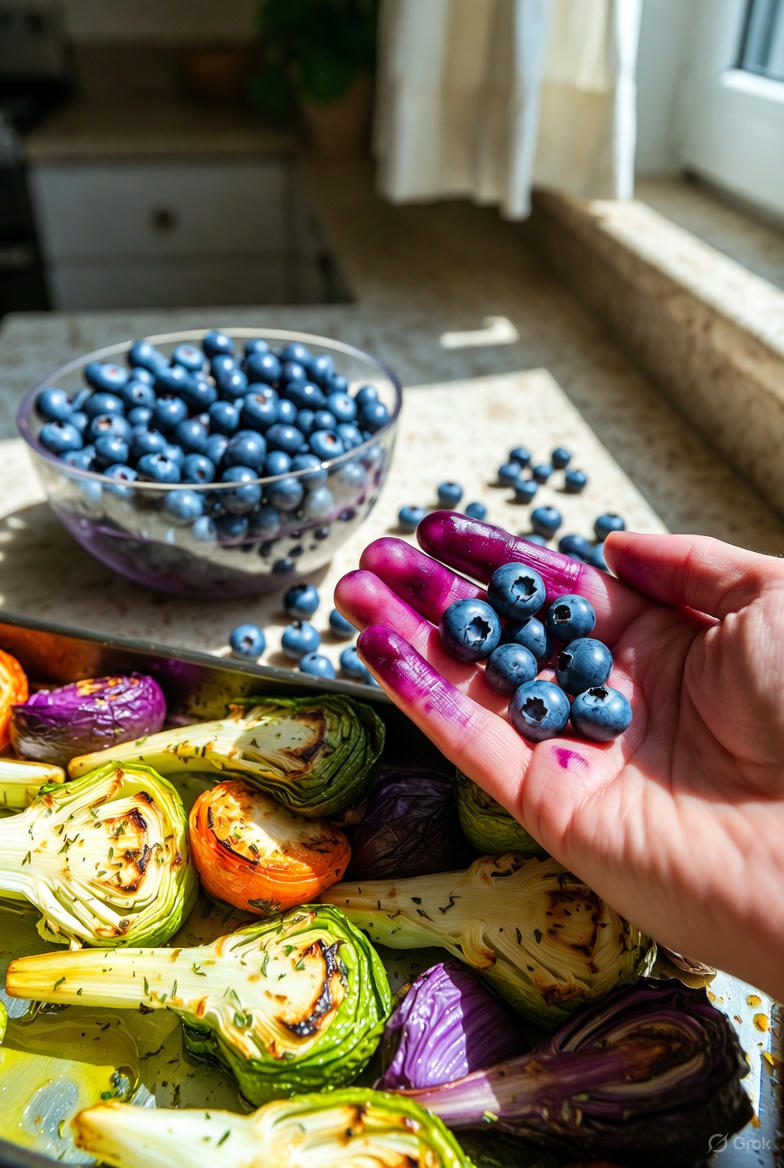
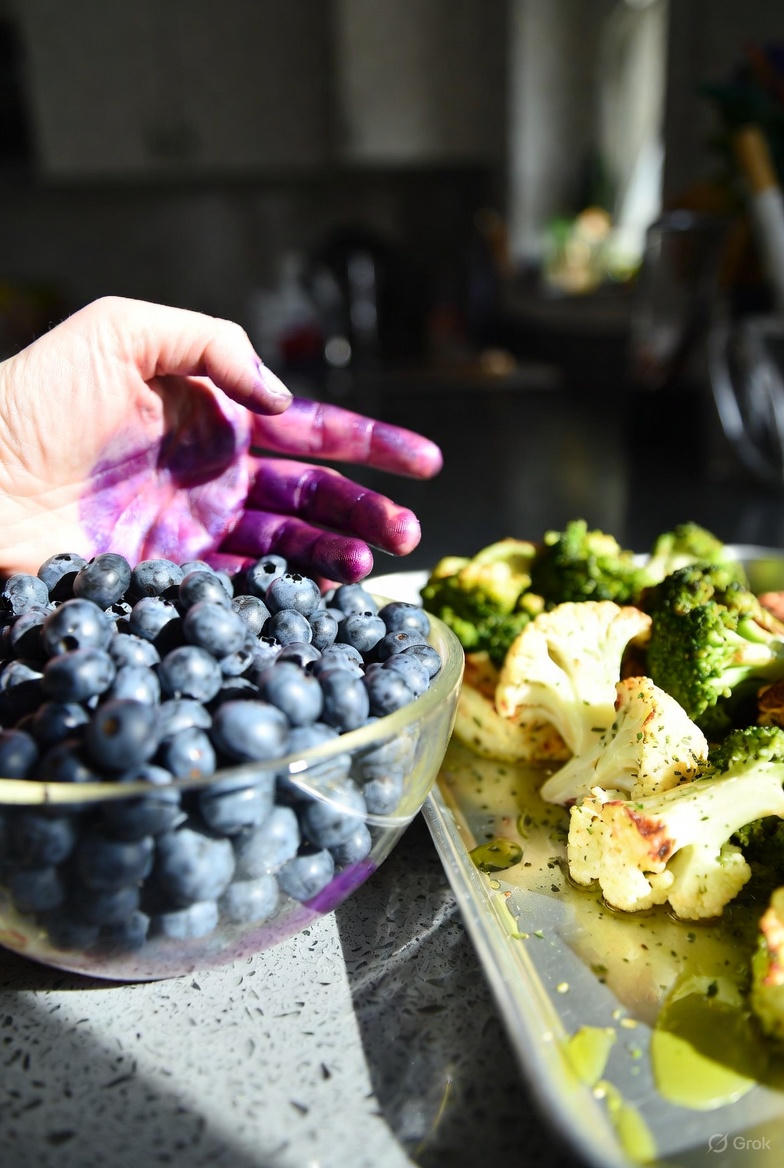
- Berries (blueberries, strawberries, raspberries, blackberries) – Rich in anthocyanins and ellagic acid
- Cruciferous vegetables (broccoli, cauliflower, Brussels sprouts, kale) – Source of sulforaphane and glucosinolates
- Citrus fruits (oranges, lemons, grapefruit) – High in vitamin C and flavonoids
- Turmeric – Contains curcumin, studied for its anti-inflammatory potential
- Garlic – Provides organosulfur compounds
- Leafy greens (spinach, Swiss chard, arugula) – Packed with folate and carotenoids
- Tomatoes (especially cooked) – Concentrated source of lycopene
- Flaxseeds – Rich in lignans and omega-3s
- Ginger – Contains gingerol and other bioactive compounds
- Green tea – Delivers catechins like EGCG
- Walnuts and other nuts – Provide healthy fats and ellagitannins
- Whole grains (oats, brown rice, quinoa, barley) – Supply fiber and minerals
- Beans and legumes (lentils, chickpeas, black beans) – Excellent fiber and protein source
- Onions (especially red and yellow) – Contain quercetin
- Carrots – High in beta-carotene
- Apples – Skin rich in polyphenols
You don’t need all 16 every day. Even adding a few more servings per week can make a difference.
Why Whole Foods Beat Supplements Almost Every Time
Studies consistently show that getting compounds from food is more beneficial than isolated supplements. Fiber, vitamins, and other nutrients in whole plants create synergy that pills can’t replicate.
For example, the fiber in beans and whole grains supports gut health—an emerging factor in immune function and inflammation control. That’s something a supplement bottle rarely provides.
The evidence is clear: eating the rainbow matters more than swallowing a single “super” pill.
Easy Ways to Add These Foods Without Overhauling Your Diet
Start small. Big changes rarely last. Here are practical steps you can take today:
- Add a handful of berries to breakfast oatmeal or yogurt
- Roast a tray of mixed cruciferous vegetables with olive oil and herbs
- Keep pre-cut carrots and citrus segments in the fridge for snacks
- Stir turmeric and black pepper into soups or scrambled eggs
- Swap white rice for brown rice or quinoa once or twice a week
- Sprinkle ground flaxseeds on smoothies or salads
- Sip green tea in the afternoon instead of coffee
- Include beans in salads, soups, or as a meat substitute
Small swaps build momentum. Before long, they become habits.
Cooking Tips That Help Preserve Beneficial Compounds
How you prepare these foods matters. A few simple techniques can maximize their potential:
- Lightly steam or sauté cruciferous vegetables instead of boiling
- Cook tomatoes with a little healthy fat to improve lycopene absorption
- Pair turmeric with black pepper to boost curcumin bioavailability
- Crush or chop garlic and let it sit 10 minutes before cooking
- Store berries in the fridge and wash just before eating
These small adjustments take almost no extra time—but research suggests they make a real difference.
The Bigger Lifestyle Picture That Amplifies Everything
Food works best as part of a broader pattern. Studies show the strongest benefits among people who also:
- Maintain a healthy weight
- Stay physically active
- Limit processed meats and sugary drinks
- Avoid excess alcohol
- Don’t smoke
When plant-rich eating combines with these habits, the protective effect appears to strengthen.
Three Common Questions Answered
Do I need to eat organic versions of these foods?
Not necessarily. While organic can reduce pesticide exposure, the biggest benefit comes from eating more plants—organic or conventional. Wash produce well either way.
Can I still enjoy these benefits if I start later in life?
Yes. Research shows dietary changes can offer advantages at any age, especially when sustained over time.
How many servings should I aim for daily?
Aim for at least 5–9 servings of fruits and vegetables combined. Filling half your plate with plants at most meals is a practical guideline.
Your Next Step Starts Today
You don’t need perfection. You just need progress. Pick one food from the list above and add it to your next meal. Then another tomorrow.
Over weeks and months, these small choices may help create an internal environment that supports long-term health. Research can’t promise outcomes for any individual, but the pattern across millions of people is remarkably consistent.
Your plate is one of the most powerful tools you control. Why not make it work for you?
This article is for informational purposes only and is not a substitute for professional medical advice. Always consult your healthcare provider for personalized guidance on diet and cancer prevention.