
Many adults over 65 notice their eyesight isn’t as sharp as it once was.
Reading fine print becomes a struggle, headlights at night feel painfully bright, and colors sometimes appear less vivid.
These gradual changes can make everyday activities less enjoyable and, in some cases, affect confidence and safety.
The good news? Certain nutrient-dense foods you probably already have in your kitchen may help support eye comfort and visual function as part of a balanced diet.
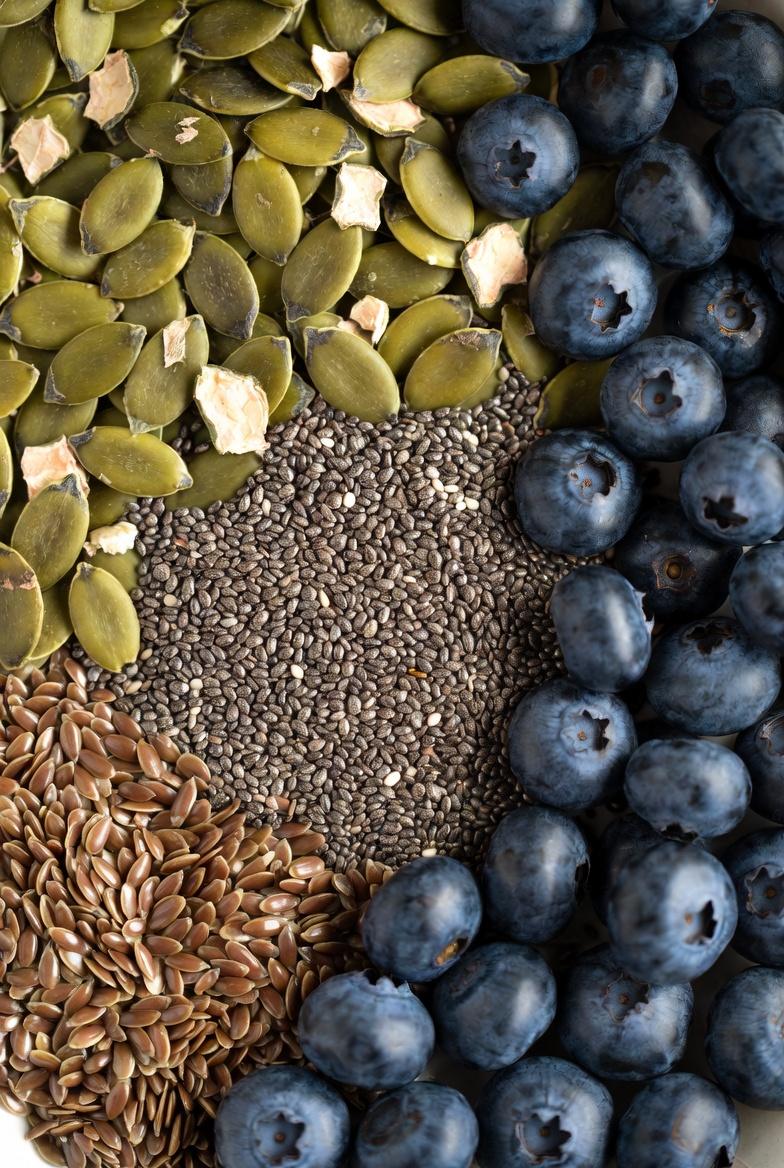
In the next few minutes you’ll discover why flaxseeds, chia seeds, pumpkin seeds, and blueberries are frequently studied for their eye-friendly nutrients—and how easy it is to start including them today.

Why Vision Changes Are So Common After 65
After age 65, the eyes experience natural age-related shifts.
The lens can become less flexible, the retina receives less efficient blood flow, and delicate eye tissues face more cumulative oxidative stress from decades of light exposure and normal metabolism.
While glasses, brighter lighting, and regular eye exams remain essential, many researchers are interested in how long-term dietary patterns might help maintain comfortable vision.
Here are four nutrient powerhouses that keep appearing in eye-health conversations.
1. Flaxseeds – Plant-Based Omega-3s for Retinal Comfort
Flaxseeds are one of the richest plant sources of alpha-linolenic acid (ALA), a type of omega-3 fatty acid.
Research suggests that adequate omega-3 intake is associated with better retinal health and may help maintain normal inflammatory balance in eye tissues.
Quick tip: Whole seeds pass through the digestive system largely undigested.
Grind them fresh (a cheap coffee grinder works perfectly) right before eating to dramatically improve nutrient absorption.
Many people sprinkle 1–2 tablespoons of freshly ground flax on oatmeal, yogurt, or smoothies every morning.
2. Chia Seeds – Polyphenols + Hydration Helpers
Chia seeds pack lignans, quercetin, and other polyphenols—compounds that studies link to antioxidant activity.
Because they absorb up to 10–12 times their weight in liquid, chia also create a gentle gel that encourages consistent hydration, which is important for keeping eyes comfortable, especially if you spend time in air-conditioned rooms or looking at screens.
Popular morning habit: Stir 1 tablespoon of chia into Greek yogurt or overnight oats the night before. By breakfast you have a thick, satisfying pudding.
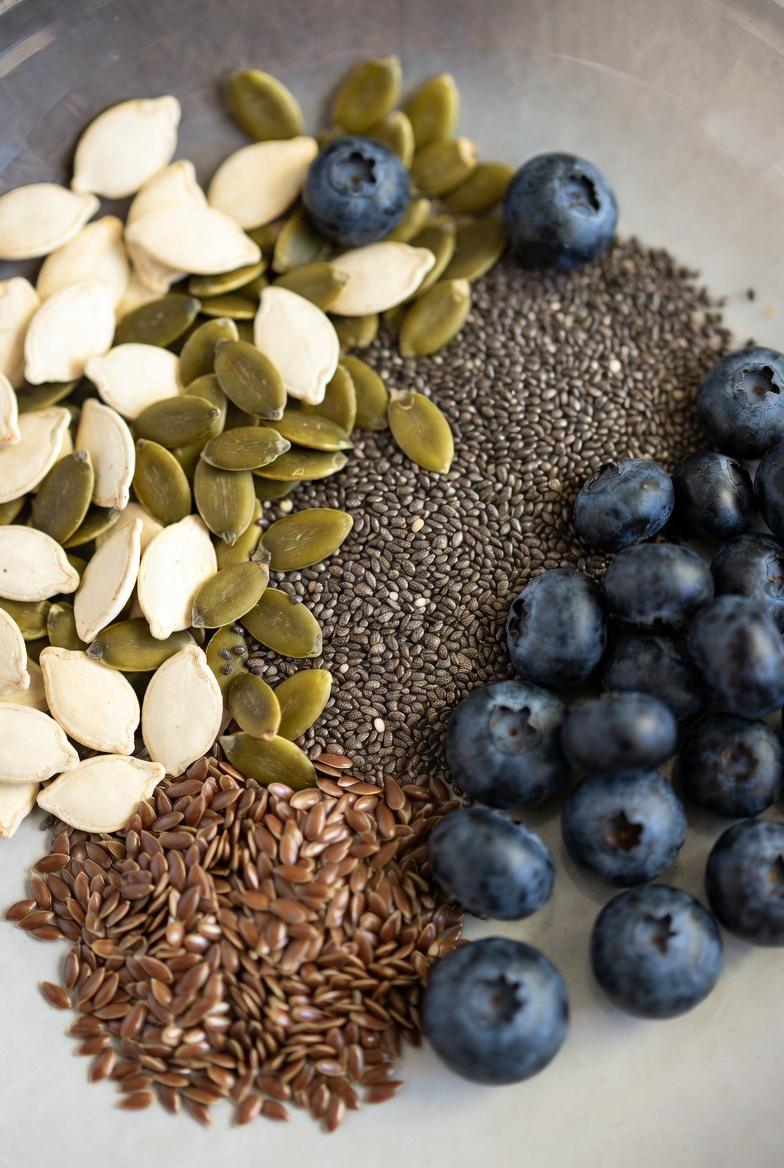
3. Pumpkin Seeds – Zinc That Helps Vitamin A Reach the Retina
Pumpkin seeds (pepitas) are a tasty, concentrated source of zinc—one of the most important trace minerals for eye health.
Zinc plays a well-documented role in transporting vitamin A from the liver to the retina, where it’s needed to produce rhodopsin—the light-sensitive pigment that helps us see in low light.
A small daily handful (about ¼ cup) of roasted or raw pumpkin seeds provides a meaningful amount of zinc plus magnesium and healthy fats.
4. Blueberries – Anthocyanins for Glare Recovery & Color Perception
The deep blue-purple color of blueberries comes from anthocyanins, flavonoid compounds that have attracted attention in vision research for many years.
Some studies indicate anthocyanins may support faster recovery from glare and brighter light exposure, and contribute to normal blood flow in tiny eye vessels.
Practical serving: ½–¾ cup of fresh or frozen berries as an afternoon snack, blended into a smoothie, or stirred into cottage cheese.
Here’s a simple daily pattern many people find convenient:
Morning          1 Tbsp ground flax + 1 Tbsp chia in oatmeal or yogurt
Mid-morning      Small handful (~30 g) roasted pumpkin seeds
Afternoon        ½–¾ cup fresh/frozen blueberries
All day          Aim for 8–10 glasses of water (chia’s gel texture reminds you to stay hydrated)
Quick Comparison: Key Nutrients in Each Food
| Food | Standout Nutrient(s) | Research Area of Interest | Easy Daily Amount |
|---|---|---|---|
| Flaxseeds | ALA omega-3, lignans | Retinal comfort, inflammatory balance | 1–2 Tbsp ground |
| Chia Seeds | Polyphenols, fiber, omega-3 | Antioxidant activity, hydration support | 1–2 Tbsp |
| Pumpkin Seeds | Zinc, magnesium | Vitamin A metabolism, low-light vision | ¼–⅓ cup |
| Blueberries | Anthocyanins | Glare recovery, microcirculation | ½–1 cup |
Pro Tips to Get the Most Benefit
- Grind flax fresh – Absorption of omega-3s can increase several times compared with whole seeds.
- Store properly – Keep all seeds in the refrigerator or freezer to protect delicate oils from going rancid.
- Pair with a little fat – Adding a teaspoon of olive oil, a few nuts, or full-fat yogurt improves uptake of fat-soluble compounds.
- Choose organic when budget allows – Many older adults report preferring lower-pesticide options for daily use.
- Be consistent – Eye-supportive nutrients work best as part of a long-term eating pattern rather than occasional large doses.
A 5-Minute “Vision-Friendly” Recipe to Try Tomorrow
Blueberry–Chia Breakfast Bowl
- ¾ cup plain Greek yogurt
- 1 Tbsp chia seeds (stirred in the night before)
- ½ cup blueberries (fresh or frozen)
- 1 Tbsp ground flaxseed
- Optional sprinkle of cinnamon + 5–6 crushed pumpkin seeds on top
Mix, enjoy slowly, and savor the colors and textures. Many people say it feels like a treat while quietly supporting daily nutrition goals.
Frequently Asked Questions
Can I eat these foods if I’m already taking eye vitamins?
Yes—in most cases these whole foods complement a multivitamin or eye-specific formula. Whole-food nutrients often work synergistically with supplemental forms.
How soon might someone notice a difference?
Everyone’s body is different. Some people report feeling more comfortable with bright light or screens within 2–4 weeks of consistent use, while other benefits may take longer to become noticeable.
Are there any people who should be careful with these seeds?
Anyone taking blood-thinning medication, having digestive sensitivities, or preparing for surgery should check with their healthcare provider first, as seeds contain appreciable amounts of omega-3s and fiber.
Including nutrient-rich foods like flaxseeds, chia seeds, pumpkin seeds, and blueberries is one of the simplest, most enjoyable ways to give your eyes daily nutritional support after 65.
Start small tomorrow morning—maybe just one tablespoon of ground flax stirred into your coffee or yogurt—and see how good it feels to take this little step for your vision.
This article is for general information only and is not intended to diagnose, treat, cure, or prevent any disease. Always consult your eye doctor or healthcare provider before making significant changes to your diet, especially if you have existing eye conditions or take medications.
(Word count: ~1,280)


