Many adults notice changes in energy or occasional swelling as they get older, and lab results sometimes show higher creatinine levels, a common sign of how the kidneys are filtering waste. This can feel concerning because it often develops quietly over time, affecting daily vitality without obvious warnings. The good news is that simple dietary choices, including certain fruits, may help support overall kidney function in gentle ways. Keep reading to discover three fruits worth including and three to approach carefully—plus practical tips you’ll want to try right away.

Understanding Creatinine and Why Diet Matters
Creatinine is a waste product from muscle activity that healthy kidneys filter out through urine. When levels rise, it can indicate the kidneys are working harder than usual.
Research shows that millions of adults live with chronic kidney disease (CKD), often without early symptoms. Studies from organizations like the National Kidney Foundation suggest that about 1 in 7 adults may be affected.
Diet plays a supportive role because certain foods can influence inflammation, hydration, and nutrient balance. Fruits, in particular, offer vitamins and fiber, but some contain higher amounts of potassium or sugar that might add extra work for the kidneys.
The key is choosing options that align with your body’s current needs. Let’s explore some that research highlights as potentially helpful.
Three Fruits That May Offer Gentle Support
Certain fruits stand out in studies for their anti-inflammatory properties and low-to-moderate nutrient profiles that are generally kidney-friendly.
1. Cranberries: A Tart Choice for Urinary Tract Comfort
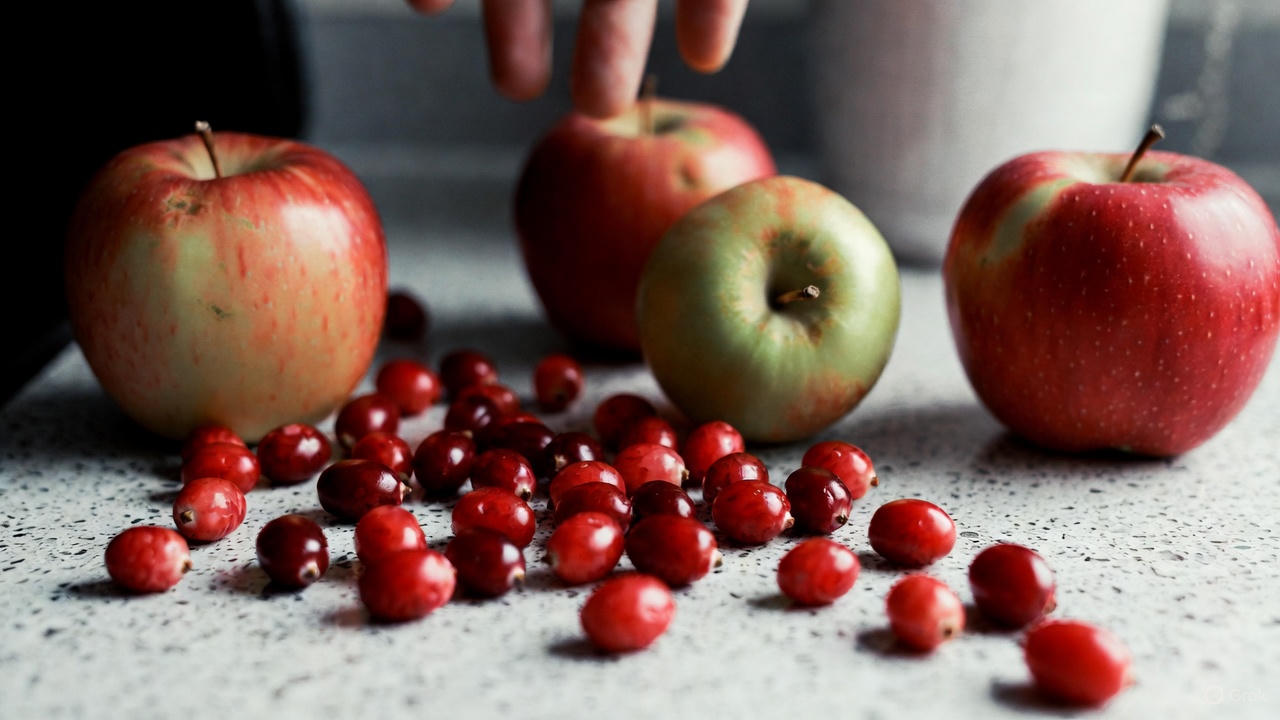
Cranberries are often studied for their role in supporting urinary health. Compounds called proanthocyanidins may help prevent bacteria from sticking to urinary tract walls.
A review in the journal Advances in Nutrition noted that unsweetened cranberry products could reduce the recurrence of urinary tract infections, which sometimes strain kidney function.
Many people enjoy them as fresh berries or pure, unsweetened juice. Start with small portions—about 1/2 cup of fresh cranberries or a small glass of pure juice diluted with water.
This simple addition might bring a refreshing boost while supporting overall comfort.
2. Apples: Fiber and Gentle Hydration in Every Bite
Apples are rich in soluble fiber called pectin, which may help bind toxins in the digestive system before they reach the bloodstream.
They are naturally low in potassium compared to many other fruits, making them a safer daily choice. One medium apple provides hydration and crunch without overwhelming the system.
Research published in Nutrients highlights how apple pectin supports gut health, which indirectly benefits kidney workload.
Peel them if phosphorus intake is a concern, or enjoy with skin for extra fiber. A sliced apple makes an easy, portable snack.
3. Limes: Zesty Citrus for Daily Refreshment
Limes contain citric acid, which may increase citrate levels in urine and help discourage certain types of kidney stones.
Studies in Urology suggest that citrus fruits like limes can contribute to better hydration and urine composition when consumed regularly.
Squeeze fresh lime into warm water first thing in the morning for a gentle start to the day. One or two limes per day is usually plenty.
This habit adds flavor to water, encouraging more fluid intake—a cornerstone of kidney support.
But that’s only half the story…
Three Fruits to Limit When Creatinine Is Elevated
While fruits are generally nutritious, some contain higher potassium, sugar, or unique compounds that can place additional demands on the kidneys.
1. Avocados: High Potassium Content
Avocados are praised for healthy fats, but one medium avocado delivers over 700 mg of potassium.
For those monitoring intake, this can quickly add up. Nephrology guidelines often recommend limiting high-potassium foods when kidney function is reduced.
Consider smaller portions occasionally or alternatives like cucumber for creamy texture.
2. Grapes: Quick Sugar and Potassium Combination
Grapes are naturally sweet and provide potassium—about 288 mg per cup.
The rapid sugar release may affect blood glucose stability, which indirectly influences kidney health over time.
Opt for lower-glycemic options like berries in moderation instead.
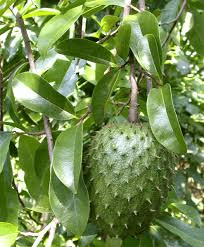
3. Starfruit: A Rare but Serious Concern
Starfruit contains a neurotoxin called caramboxin that the kidneys normally filter out.
Case reports in medical journals, including Clinical Kidney Journal, document severe symptoms in people with reduced kidney function after eating starfruit.
It’s best to completely avoid this fruit if creatinine levels are high.
Here’s a quick comparison to keep handy:
| Aspect | Fruits to Include | Fruits to Limit |
|---|---|---|
| Potassium Level | Generally low-moderate | Often high |
| Sugar Impact | Lower glycemic | Can be higher or rapid |
| Special Compounds | Anti-inflammatory (e.g., proanthocyanidins) | Potential toxins (e.g., caramboxin) |
| Typical Portion | Easy to enjoy daily | Best reduced or avoided |
Practical Tips to Get Started Today
Making changes doesn’t have to feel overwhelming. Try these step-by-step ideas:
- Morning routine: Squeeze one fresh lime into a glass of warm water and sip slowly.
- Snack swap: Replace afternoon grapes with a crisp apple—keep a few washed and ready in the fridge.
- Cranberry boost: Add a handful of fresh cranberries to salads or enjoy diluted pure juice once a day.
- Portion awareness: Start with half servings of any new fruit and notice how your body responds.
- Hydration habit: Aim for steady sipping throughout the day rather than large amounts at once.
Research consistently shows that balanced hydration and mindful eating support overall wellness.
The most important step? Listen to your body and track small changes over a few weeks.
Putting It All Together for Daily Wellness
Choosing fruits wisely is one piece of a larger picture that includes steady hydration, balanced meals, and regular check-ups.
Many people report feeling more energized and comfortable after making these gentle adjustments.
Start with just one swap this week—perhaps adding apples or lime water—and build from there.
Your kidneys work hard every day. Supporting them with thoughtful choices can make a meaningful difference in how you feel.
Frequently Asked Questions
What fruits are generally safest for high creatinine?
Low-to-moderate potassium options like apples, cranberries (unsweetened), and small amounts of citrus such as limes are often recommended in dietary guidelines.
How much fruit should I eat daily?
Most experts suggest 2–3 servings per day, adjusted based on individual needs and medical advice.
Can drinking more water help creatinine levels?
Staying consistently hydrated supports kidney function, but sudden large amounts may not be ideal—steady intake throughout the day is better.
Disclaimer: This article is for informational purposes only and is not intended to diagnose, treat, or cure any medical condition. Always consult your healthcare provider for personalized advice regarding diet and kidney health.