
Millions of adults face challenges with kidney function as they age, often dealing with subtle signs like occasional fatigue, mild swelling, or shifts in energy levels that can disrupt daily life. These issues sometimes stem from everyday factors such as inflammation, oxidative stress, and dietary habits that place extra burden on the kidneys over time. The good news is that simple, nutrient-rich whole grains like barley, oats, and quinoa—often overlooked in favor of more processed options—offer fiber, antioxidants, and other compounds that research suggests may help maintain overall kidney wellness when included thoughtfully in a balanced diet. In this guide, we’ll explore how these grains fit into supportive eating patterns, backed by scientific insights, and share practical ways to enjoy them safely.

Why Whole Grains Matter for Kidney Support
The kidneys filter waste and maintain balance in the body, but factors like chronic low-grade inflammation and oxidative damage can contribute to gradual strain. Whole grains provide soluble fiber and plant-based nutrients that support gut health, help regulate blood sugar, and may reduce systemic stress—key elements in promoting long-term wellness. Recent studies, including data from large population surveys like NHANES, indicate that higher intake of whole grains (compared to refined grains) is linked to better outcomes related to kidney health, such as lower risks of progression in some cohorts.
But that’s not all—specific grains bring unique benefits that go beyond general fiber.
Grain 1: Barley – A Fiber-Rich Ally for Gut and Inflammation Balance
Barley stands out for its high content of beta-glucans, a type of soluble fiber known for supporting gut bacteria. These beneficial microbes produce short-chain fatty acids that may help calm inflammation throughout the body.
Research in animal models has shown that barley beta-glucans can reduce markers of inflammation and support better renal function indicators, such as lower creatinine in certain contexts. Human studies on whole grains also suggest associations with improved overall health profiles.
Practical tip: Start with pearl barley in soups or stews. Rinse and cook ½ cup dry (yields about 1½ cups cooked) for a hearty, nutty addition to meals.
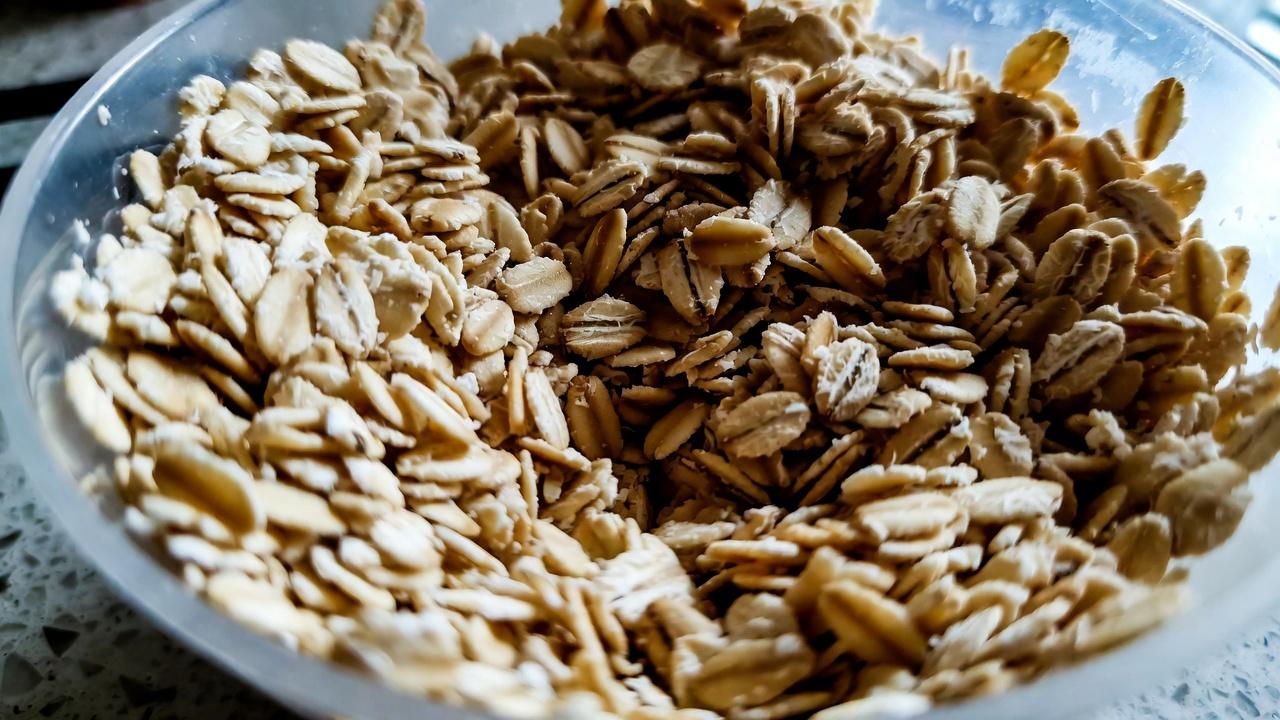
Here are two realistic photos of barley to inspire your kitchen:
This close-up shows fresh barley grains in natural light, perfect for seeing their wholesome texture before cooking.
Grain 2: Oats – Antioxidant Protection from Unique Compounds
Oats contain avenanthramides, powerful antioxidants exclusive to this grain. These compounds help neutralize free radicals and support the body’s natural defenses against oxidative stress.
Studies, including a randomized trial with CKD patients consuming oats daily, have explored effects on biomarkers like serum albumin and potassium, with some favorable observations. Broader evidence links oat intake to lower inflammation and better metabolic health.
A simple way to incorporate them: Prepare overnight oats by soaking ½ cup rolled oats in water or a low-potassium liquid overnight—easy, no-cook, and gentle on mornings.
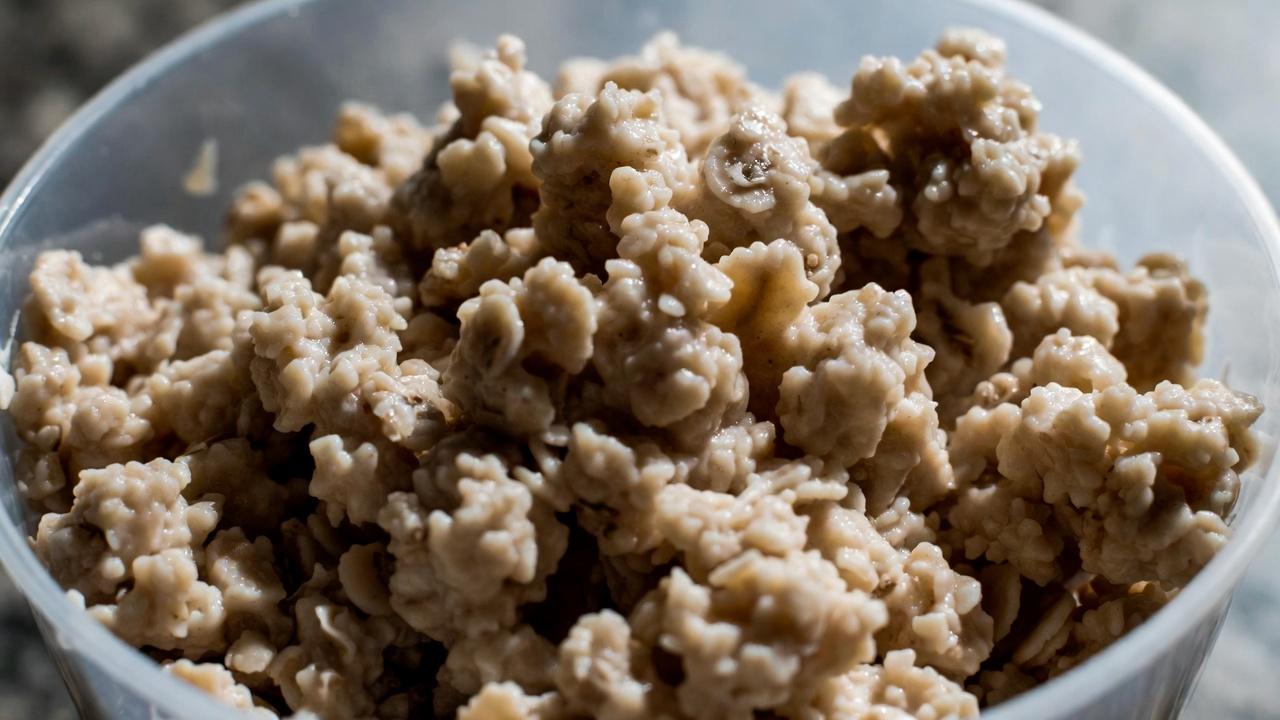
See this everyday shot of oats being prepared:
Captured with a smartphone feel, this image highlights fluffy cooked oats in a bowl, ready for your favorite toppings.
Grain 3: Quinoa – Nutrient-Dense Option with Balanced Minerals
Quinoa, a complete protein pseudo-grain, offers magnesium, fiber, and steady energy without overwhelming certain mineral loads. It’s often noted for relatively lower potassium and phosphorus compared to some other grains, making it a flexible choice in moderated portions.
Observational data and reviews suggest plant-based whole grains like quinoa contribute to positive associations with kidney-related health markers when part of diverse diets.
Quick prep idea: Rinse thoroughly, then cook ¼–½ cup dry quinoa (boil in water, drain excess) as a base for salads or sides.
12 Potential Ways These Grains Support Wellness
- Beta-glucans in barley feed gut bacteria for anti-inflammatory effects.
- Avenanthramides in oats combat oxidative stress naturally.
- Quinoa’s protein and fiber aid balanced nutrition and sugar stability.
- Combined fiber promotes regular digestion and waste elimination.
- Magnesium from quinoa supports healthy blood pressure levels.
- Systemic calming from antioxidants across the trio.
- Blood sugar steadiness reduces daily strain.
- Hydration boost when paired with fluids for better flow.
- Weight and pressure management eases overall load.
- Microbiome diversity strengthens resilience.
- Sustainable daily habits build long-term patterns.
- Holistic synergy when rotated for variety.
Here’s a quick comparison table for daily serving ideas:
| Grain | Key Potential Support | Suggested Daily Serving (cooked) |
|---|---|---|
| Barley | Inflammation and gut balance | ½ cup |
| Oats | Antioxidant protection | ½ cup |
| Quinoa | Balanced minerals and protein | ¼–½ cup |
Actionable Tips to Get Started Safely
- Begin with small portions (e.g., ½ cup cooked) and monitor how your body responds.
- Rinse grains well and use plenty of water when cooking to help manage mineral content.
- Pair with low-sodium veggies and lean proteins for balanced meals.
- Track energy levels—many notice steadier afternoons after consistent inclusion.
- Rotate the grains weekly to keep things interesting and varied.
Conclusion: Small Changes, Big Potential
Incorporating barley, oats, and quinoa thoughtfully into your routine offers a simple, enjoyable way to emphasize whole-food nutrition. These grains provide fiber, antioxidants, and nutrients that align with patterns linked to better wellness. Start with one serving today, stay hydrated, and build from there for sustainable habits.
FAQ
1. Are these grains safe for everyone with kidney concerns?
Portion control and individual needs vary—always check with your healthcare provider or dietitian, especially if you have restrictions on potassium or phosphorus.
2. How much should I eat daily?
Start with ½ cup cooked per grain and adjust based on tolerance and guidance—aim for variety rather than large amounts.
3. Can I replace refined grains completely?
Gradual swaps work best; evidence suggests favoring whole over refined supports overall health, but personalize to your situation.
This article is for informational purposes only and does not replace professional medical advice. Consult your healthcare provider before making dietary changes, especially with kidney conditions or restrictions.


