
Many adults over 60 notice that getting out of bed feels stiffer than it used to, bending down takes extra effort, and carrying everyday items can leave the back feeling sore. These changes can make simple tasks more challenging and raise concerns about staying active and independent as the years go by. The good news is that a few gentle, consistent movements can help support muscle strength, joint mobility, and overall balance without needing special equipment.
What if just seven minutes a day could make a real difference? Keep reading to discover three straightforward exercises that research suggests can help adults in their 60s, 70s, and beyond stay stronger and more comfortable.
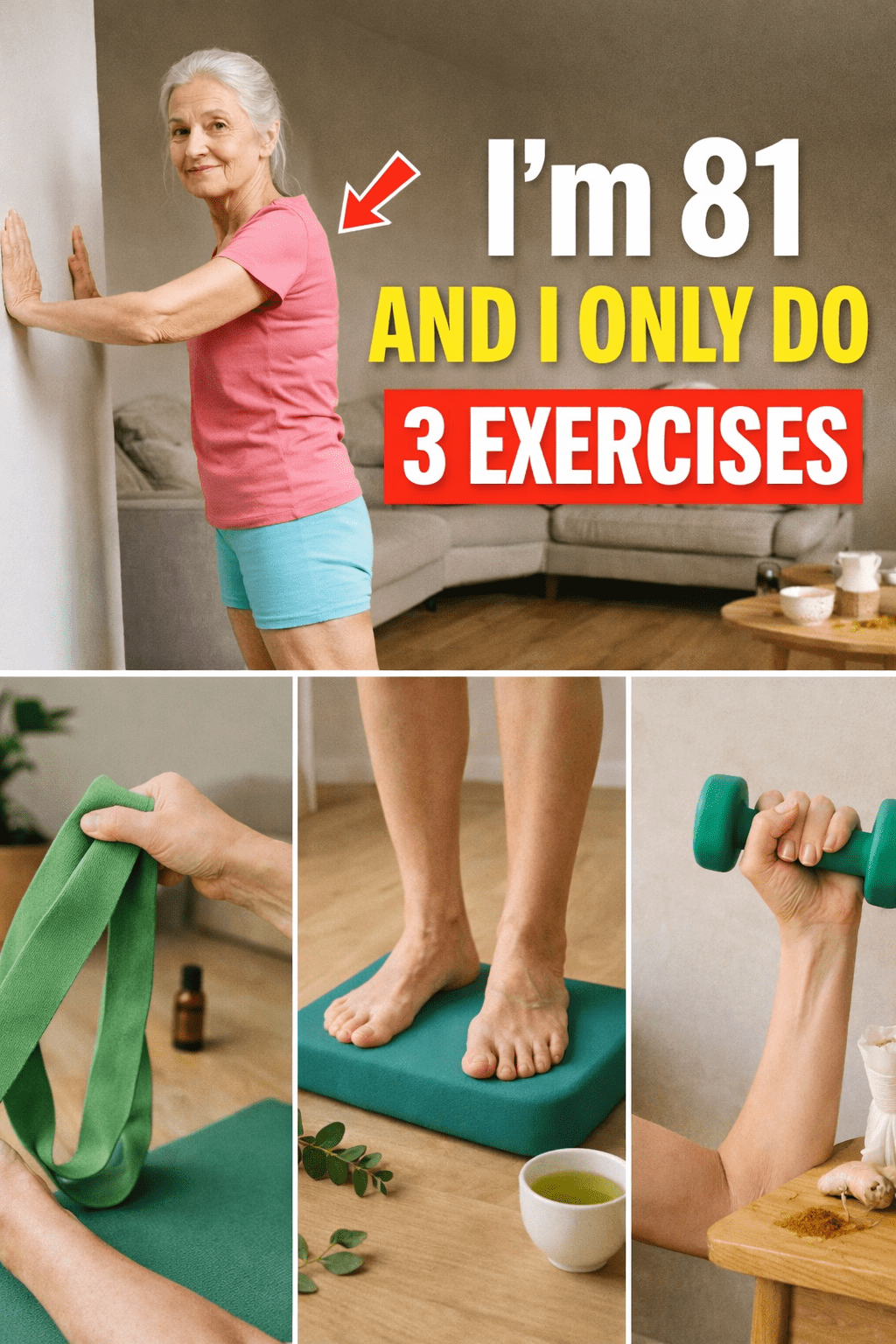
Why Movement Matters More After 60
As we age, muscles naturally lose some strength and joints can become less flexible if they aren’t used regularly. Studies show that adults over 60 who include simple strength and mobility exercises in their routine often report better balance and easier daily activities.
Research from respected institutions, including studies published in journals like the Journal of Gerontology, indicates that regular bodyweight movements can help maintain muscle mass and support joint health. The best part? These benefits don’t require hours at the gym or heavy weights.
The Three Everyday Movements to Consider Adding to Your Routine
These three exercises focus on major muscle groups used in daily life: the legs, upper body, and core. They can be done at home, take about seven minutes total, and require no equipment beyond a wall and floor space.
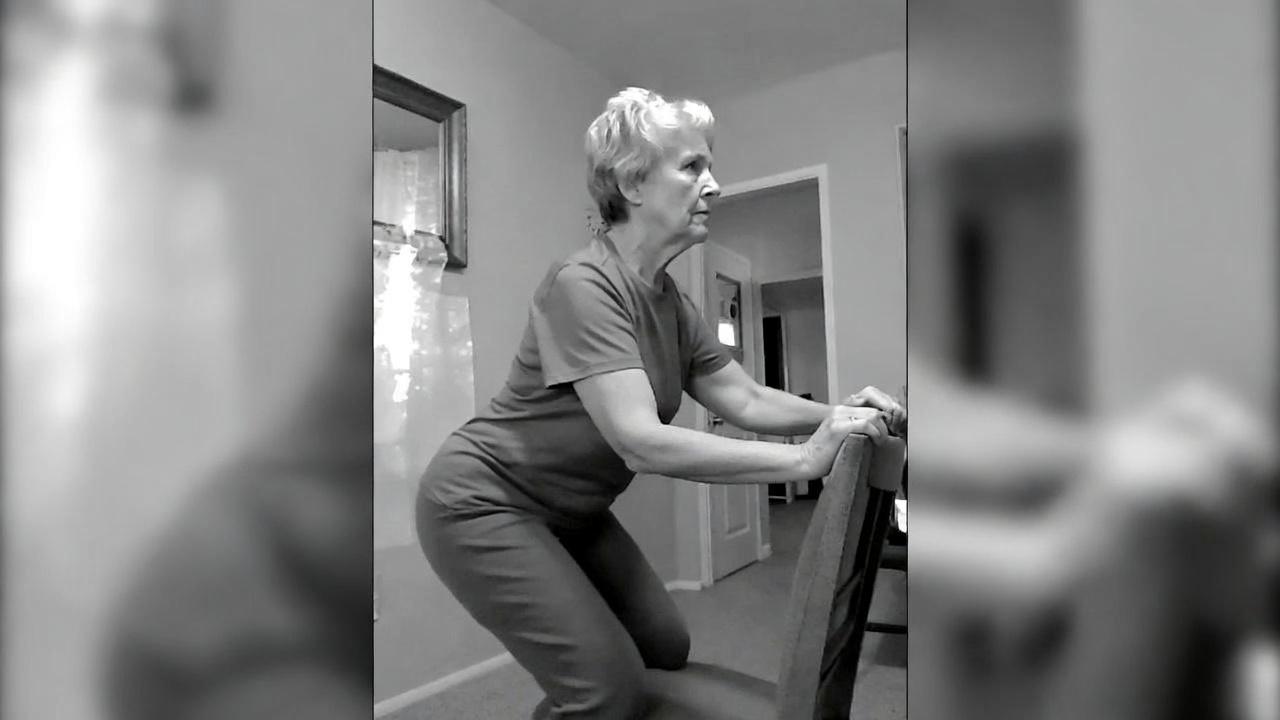
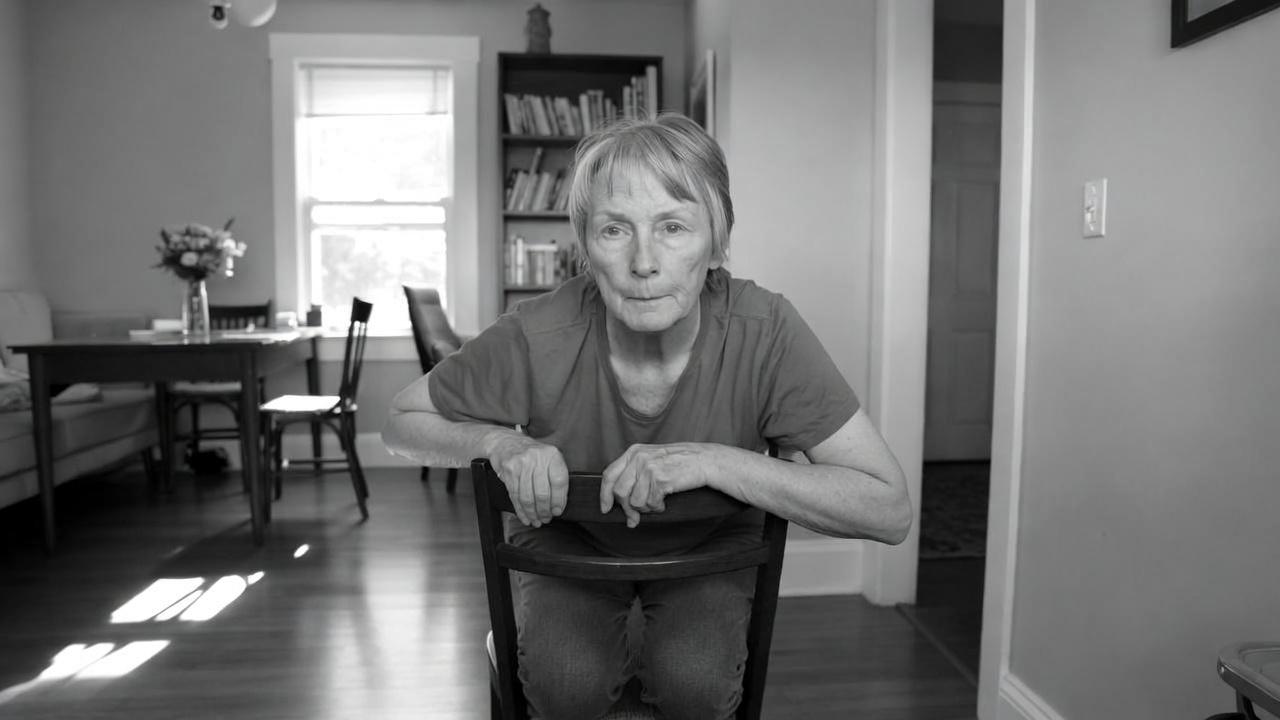
1. Chair-Supported Squat (Lower Body Strength and Balance Support)
This movement mimics sitting back into a chair and helps strengthen the thighs and hips.
How to do it step by step:
Stand with feet shoulder-width apart and arms extended forward for balance.
Slowly lower your hips back and down as if sitting into an imaginary chair, going only as far as feels comfortable.
Pause briefly at the lowest point you can manage comfortably.
Push through your heels to stand back up.
Aim for 10 to 15 slow repetitions, taking about two minutes total.
A study from Norwegian researchers in 2023 found that older adults who included daily squatting movements experienced improved balance and reduced risk of falls over several weeks. Many people notice stairs and getting up from chairs feel smoother after consistent practice.
2. Wall Push-Up with Shoulder Blade Squeeze (Upper Body and Posture Support)
This gentle variation of a push-up helps strengthen the chest, shoulders, and upper back while supporting better posture.
How to do it step by step:
Stand facing a wall with hands placed shoulder-width apart at chest height.
Lean forward slowly until your forehead gently nears the wall.
Push back to the starting position.
At the top, gently squeeze your shoulder blades together for a second.
Complete 15 to 20 repetitions, taking around three minutes.
Research on shoulder health in older adults shows that movements activating the muscles around the shoulder blades can support overhead reaching and daily tasks like dressing or reaching shelves. Many report feeling more comfortable with arm movements after a few weeks.
3. Dead Bug Movement (Core Stability and Back Comfort Support)
This floor-based exercise helps engage deep abdominal muscles that support the spine during everyday activities.
How to do it step by step:
Lie on your back with arms extended toward the ceiling and knees bent at 90 degrees (legs up).
Keep your lower back gently pressed toward the floor.
Slowly extend one arm overhead while straightening the opposite leg toward the floor, without letting your back arch.
Return to the starting position and alternate sides.
Complete 10 to 12 repetitions per side, taking about two minutes.
A 2024 study from Stanford researchers showed that regular core stability exercises like this helped participants report less lower back discomfort and improved walking comfort after six weeks.
Suggested 7-Minute Daily Schedule
Consistency matters more than intensity. Here’s one easy way to fit these in:
Morning, while waiting for coffee: 10-15 Chair-Supported Squats
After brushing teeth or during a break: 15-20 Wall Push-Ups with Squeeze
Evening or in bed: 10-12 Dead Bug repetitions per side
Total time: around seven minutes spread throughout the day.
Quick Comparison of Benefits
| Exercise | Time Needed | Main Areas Supported | Common Daily Activities That May Feel Easier |
|---|---|---|---|
| Chair-Supported Squat | 2 minutes | Legs, hips, balance | Walking, stairs, standing from chairs |
| Wall Push-Up Plus | 3 minutes | Chest, shoulders, upper back | Reaching overhead, carrying items |
| Dead Bug | 2 minutes | Core, lower back stability | Bending, twisting, general posture |
Real Experiences from Adults Over 60
Many people in their 60s and older have shared positive feedback about adding similar simple routines:
One 72-year-old shared that starting with partial-range squats helped her feel more confident on uneven ground after a few months.
A 68-year-old veteran mentioned gradually building strength to move around the house more comfortably.
These stories highlight how small, consistent steps can add up over time.
But that’s not all regular movement also supports better sleep quality and mood, according to multiple studies on exercise in older adults.
Tips for Getting Started Safely
Start slowly and listen to your body.
Use a sturdy chair or counter for extra support if needed during squats or push-ups.
If getting to the floor is difficult, modify the Dead Bug by doing it in bed or seated.
Breathe normally throughout don’t hold your breath.
Stop if anything feels painful (mild muscle fatigue is normal, sharp pain is not).
Frequently Asked Questions
How soon might I notice any differences?
Many people report feeling looser within the first week, with more noticeable comfort in daily tasks appearing after 2 to 4 weeks of consistency.
Can I do these exercises if I have joint concerns?
Yes, but start with smaller ranges of motion and consider consulting your healthcare provider first, especially if you have recent surgeries or specific conditions.
Do I need any special equipment?
No these use only body weight and a wall or floor. Comfortable clothing and supportive shoes are helpful but not required.
Final Thoughts
Adding these three simple movements to your daily routine can be an easy way to support strength, balance, and comfort as you age. The key is consistency rather than perfection small steps every day add up to meaningful differences over time.
Start with what feels manageable, celebrate small improvements, and enjoy moving more freely.
This article is for informational purposes only and is not medical advice. Always consult your healthcare provider before starting any new exercise routine, especially if you have existing health conditions, recent injuries, or joint replacements.


