
As you notice everyday activities becoming a bit more challenging, like carrying bags feeling heavier or stairs taking extra effort, it’s natural to feel concerned about staying active and independent. These changes can make simple tasks tiring and leave you wondering how to maintain your strength and ease of movement. Many people in their 60s and beyond experience this gradual shift, but certain daily habits from nature might offer gentle support.
The good news is that some herbal teas, enjoyed regularly, could help promote better circulation, reduce everyday stiffness, and contribute to overall muscle comfort. Research suggests these teas contain compounds that support the body’s natural processes. And at the end, I’ll share one easy addition that may enhance their benefits even more. Keep reading to discover these options.

Understanding Changes in Muscle Strength After Age 60
After turning 60, it’s common for muscle mass to decrease gradually, a process known as sarcopenia. Studies estimate that 5-13% of people aged 60-70 may experience this, with rates rising in later years.
Factors like low-grade inflammation and slower nutrient delivery to muscles can play a role, making legs feel heavier or recovery from activity take longer. Everyday movements might require more effort as a result.
Here’s the encouraging part: Plant compounds in certain teas have been studied for their potential to help manage inflammation and support healthy blood flow. This may contribute to feeling more comfortable during daily activities.
Tea #1: Ginger-Turmeric Tea – A Morning Option for Comfort and Flow
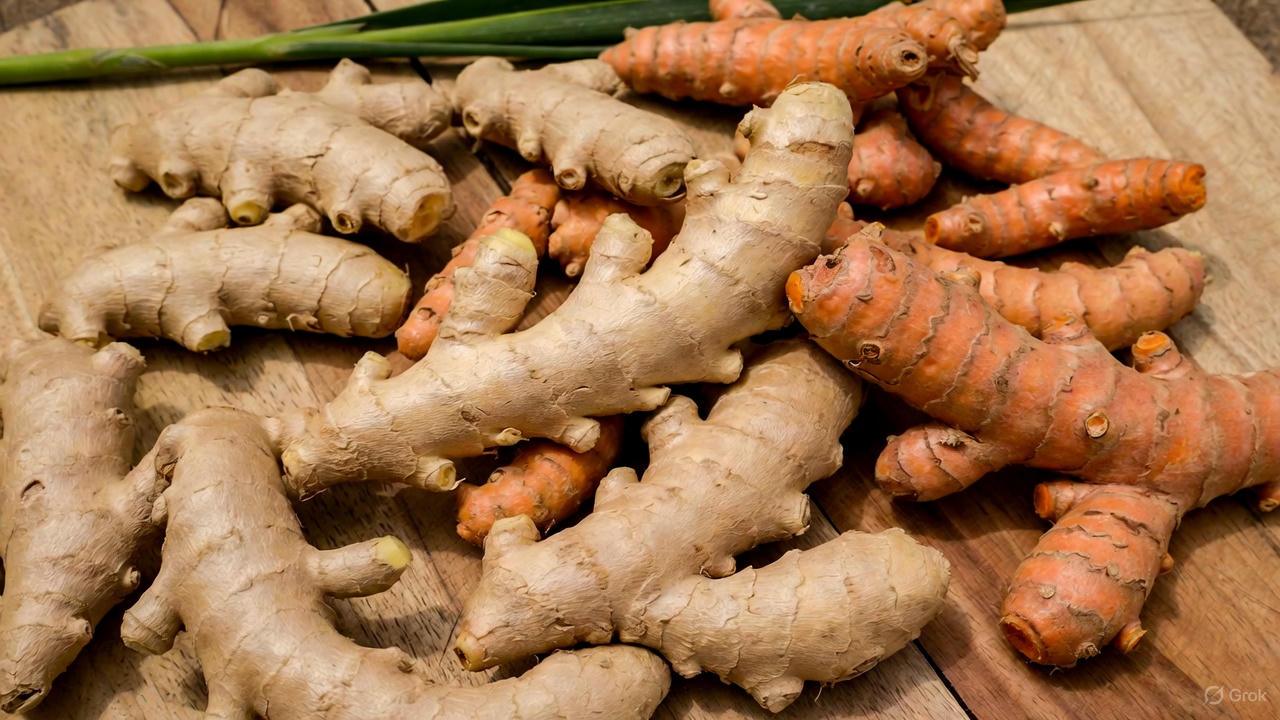
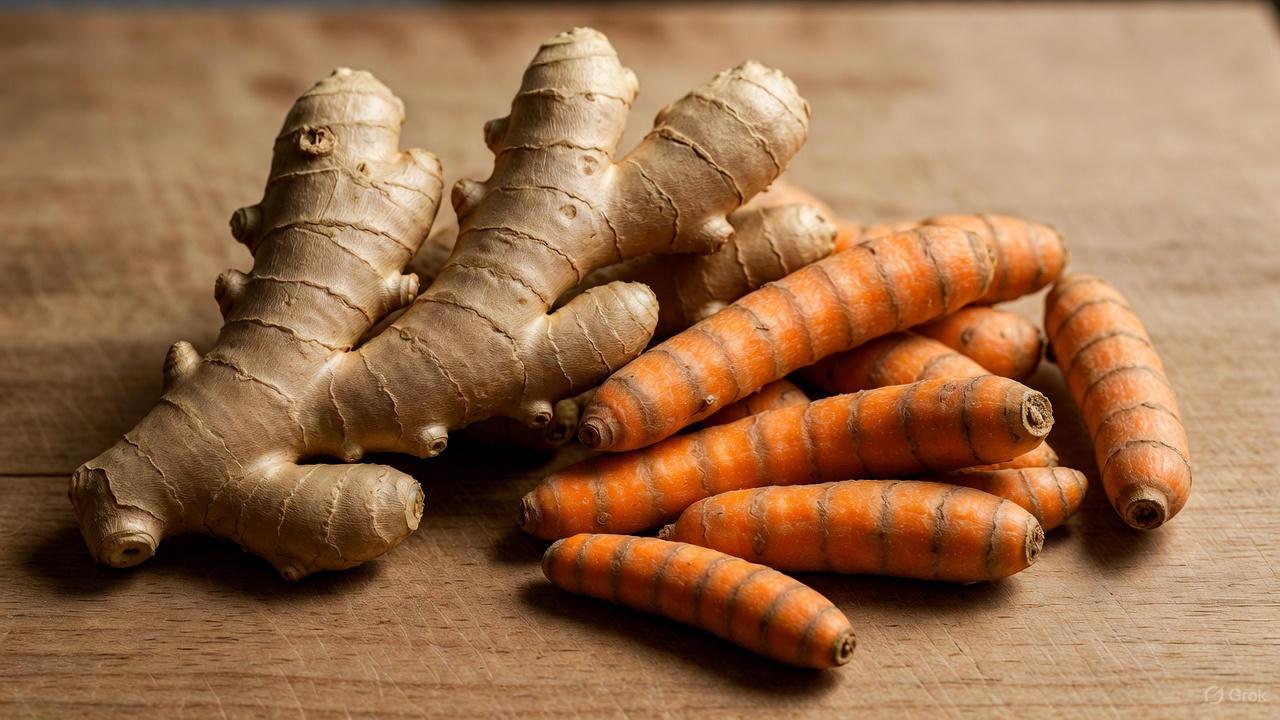
Ginger-turmeric tea combines two roots long used in traditional practices. Many find it warming and soothing first thing in the day.
Why it may be helpful:
- Turmeric contains curcumin, a compound researched for its anti-inflammatory effects in various studies.
- Ginger is known to support circulation, helping nutrients reach muscles more efficiently.
- Together, they may promote easier movement and less stiffness.
Reviews of studies, including one in the Journal of Medicinal Food, note that regular curcumin intake is associated with reports of improved mobility in older adults.
Pro tip: Adding a pinch of black pepper can boost curcumin absorption significantly, based on research findings.
Tea #2: Green Tea with Ginseng – An Afternoon Choice for Energy and Endurance
Combining green tea’s lightness with ginseng creates a refreshing blend that many enjoy mid-day.
Key aspects that stand out:
- Ginseng includes adaptogens studied for helping the body handle fatigue.
- Green tea’s catechins may protect cells from everyday stress.
- The mix provides a gentle lift without jitters.
Research, such as a study in the American Journal of Chinese Medicine, observed improvements in strength measures among older adults after consistent use.
Add a squeeze of lemon for flavor – it’s a simple way to make it enjoyable.
Tea #3: Ashwagandha Tea – An Evening Blend for Relaxation and Recovery
Ashwagandha, an adaptogenic herb, makes a calming evening tea with an earthy taste.
Notable points from studies:
- It may help balance stress hormones that affect muscle maintenance.
- Clinical trials show associations with gains in strength and balance.
- Better sleep, often reported with ashwagandha, supports natural recovery.
A study in the Journal of the International Society of Sports Nutrition found older adults noting measurable improvements after regular use.
Try adding honey or cinnamon to soften the flavor if needed.
| Tea | Best Time | Potential Key Benefit | Simple Note |
|---|---|---|---|
| Ginger-Turmeric | Morning | Supports comfort and healthy flow | Add black pepper for better uptake |
| Green Tea with Ginseng | Afternoon | Promotes endurance and energy | Start lighter if sensitive to caffeine |
| Ashwagandha | Evening | Aids relaxation and recovery | Check with doctor if on certain meds |
One Easy Booster to Enhance Any of These Teas
The simple addition? Stir in ½ teaspoon of matcha powder.
Matcha, a finely ground green tea, offers concentrated antioxidants. Large studies in Japan link regular green tea consumption, including matcha forms, to maintained mobility in later years.
It adds a vibrant touch and subtle energy – just whisk it in.
Easy Ways to Prepare These Teas at Home
These take just minutes and use common ingredients.
Ginger-Turmeric Tea
- Slice fresh ginger (about 1 inch) or use 1 tsp powder.
- Add 1 tsp turmeric and a pinch of black pepper.
- Steep in hot water for 8-10 minutes.
- Add honey or lemon if desired.
Green Tea with Ginseng
- Steep a green tea bag for 2 minutes.
- Mix in ¼ tsp ginseng powder or a ginseng bag.
- Optional: Add matcha and lemon.
Ashwagandha Tea
- Simmer 1 tsp powder in water for 10 minutes.
- Strain if needed.
- Sweeten with honey and cinnamon.
Begin with one cup daily. Many notice more comfort within weeks when consistent.
A Gentle 7-Day Plan to Get Started
Day 1: Pick one tea and enjoy it daily.
Days 2-3: Pair with short walks or light stretches.
Day 4: Introduce a second tea.
Days 5-6: Aim for 10-15 minutes of movement.
Day 7: Add the matcha booster and reflect on how you feel.
Ongoing: Rotate the teas and stay gently active.
Frequently Asked Questions
- How soon might I feel a difference?
Consistency matters – many report easier movement in 1-4 weeks. - Can I enjoy more than one tea daily?
Yes, spacing them out (morning, afternoon, evening) works well for many. - Any tips for safety?
These are generally well-tolerated. Start small, especially if sensitive, and consult your doctor if on medications.
Final Thoughts
Staying mobile and comfortable is key to enjoying life fully. These three herbal teas – ginger-turmeric, green tea with ginseng, and ashwagandha – along with a matcha boost, offer natural ways to support circulation, comfort, and recovery based on available research.
Starting small, like one cup tomorrow, could be a positive step. Listen to your body and pair with gentle activity for the best results.
This article is for informational purposes only and is not medical advice. Please consult your healthcare provider before making changes to your diet, especially if you have health conditions or take medications.


