
As we get older, many people notice their legs feeling heavier during everyday activities like walking or climbing stairs. This common change often stems from natural muscle loss known as sarcopenia, which research shows can affect up to half of adults over 60, combined with factors like low-grade inflammation and reduced circulation that make movement feel more effortful.
The good news is that simple daily habits, including enjoying certain herbal teas, may help support overall muscle health, comfort, and energy levels. In this guide, you’ll discover three easy-to-make teas backed by scientific interest, plus a bonus tip to enhance them. And later, we’ll share the one ingredient many overlook that could make a real difference in your routine.

Why Leg Strength Can Change After 60
Sarcopenia involves a gradual decline in muscle mass and power, often most noticeable in the lower body. Studies highlight how chronic low-grade inflammation contributes by interfering with muscle repair and protein balance. At the same time, slower circulation reduces oxygen and nutrient delivery to muscles, leading to quicker fatigue.
These shifts aren’t just about getting older — lifestyle, diet, and even stress play roles. The encouraging part? Gentle, consistent approaches like incorporating anti-inflammatory and circulation-supporting herbs through tea can be part of a supportive daily plan.
Tea 1: Ginger Turmeric Tea – A Warming Blend for Comfort
This golden tea combines two well-known roots loved in traditional practices. Many people enjoy its spicy, soothing warmth first thing in the morning.
Research has explored how turmeric’s curcumin and ginger’s active compounds may help address everyday inflammation and promote better blood flow. For instance, studies suggest these elements support reduced markers of inflammation and improved circulation, which could contribute to feeling more comfortable during activity.
Here’s a quick look at potential perks:
- Supports a healthy inflammatory response
- Encourages better circulation for nutrient delivery
- Provides a gentle lift without overstimulation
To boost absorption of curcumin, a pinch of black pepper is often added — research indicates it can enhance bioavailability significantly.
Tea 2: Green Tea with Ginseng – For Steady Energy and Endurance
Green tea paired with ginseng offers an earthy, refreshing taste that’s easy to sip midday. Ginseng, an adaptogenic herb, has been studied for its role in helping the body handle fatigue.
Evidence from reviews and trials shows ginseng may support reduced feelings of tiredness and aid physical performance. When combined with green tea’s natural antioxidants like catechins, it creates a balanced brew that promotes alertness without jitters, thanks to L-theanine.
Potential benefits include:
- Helping manage everyday fatigue
- Supporting muscle endurance during light activity
- Providing antioxidant protection for overall wellness
Many find this combination helps them stay active longer throughout the day.
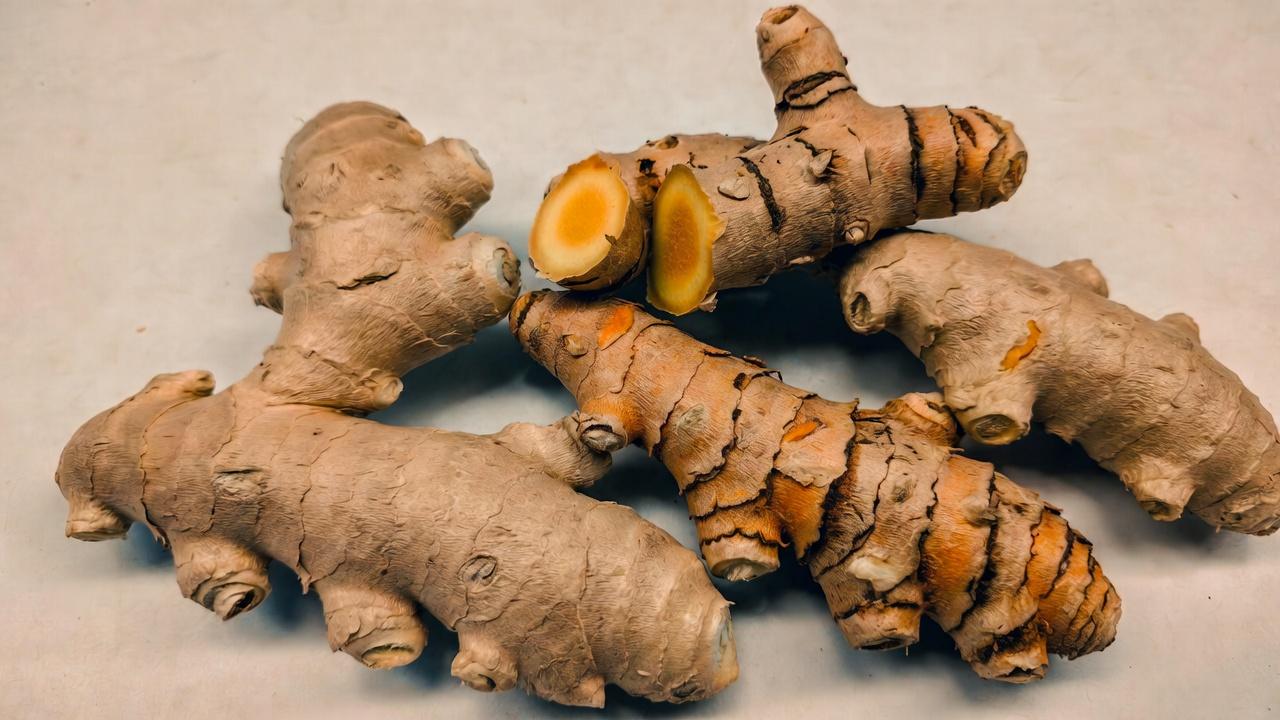
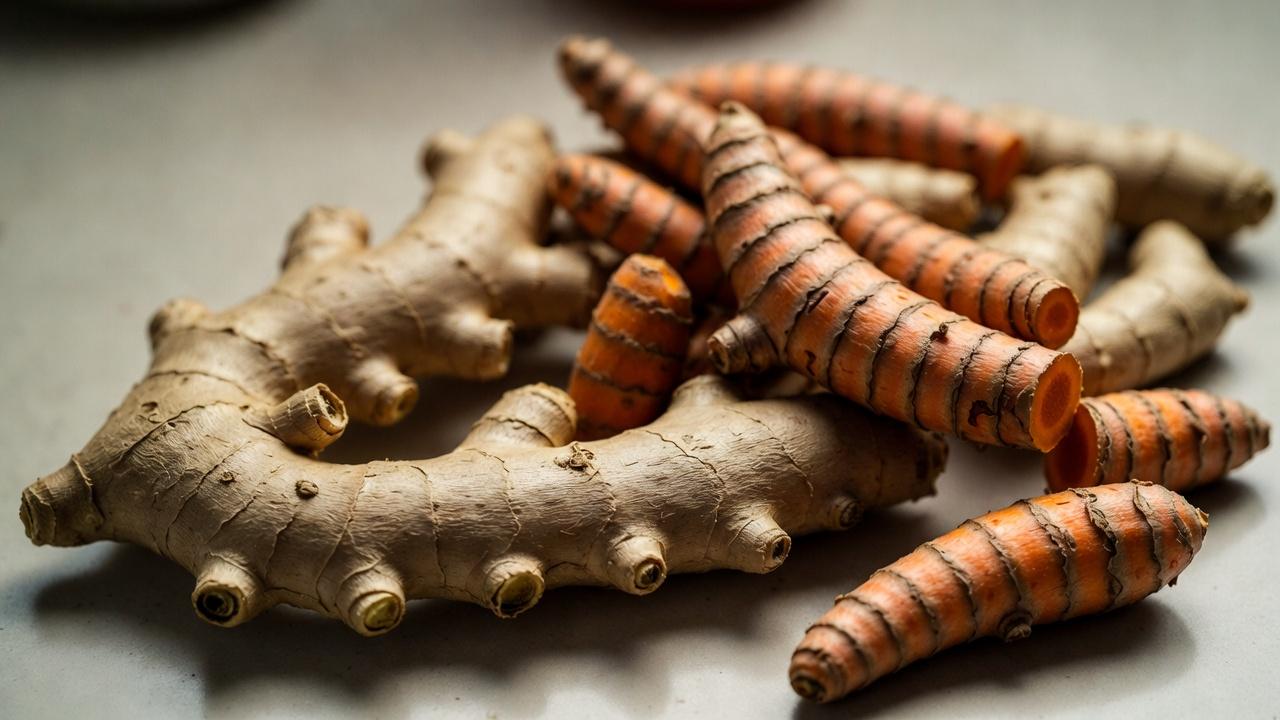
Here are two realistic photos of the key ingredients in their natural forms to inspire your brewing:
This shows fresh ginger root and turmeric rhizomes ready for slicing — notice the vibrant colors and textures under natural light.
Tea 3: Ashwagandha Root Tea – For Balance and Recovery
Enjoyed in the evening, ashwagandha tea has a mild, nutty flavor that pairs well with a touch of honey. As an adaptogen, it’s drawn attention for helping the body manage stress.
Multiple studies indicate ashwagandha can help lower cortisol levels (the stress hormone) and support better recovery after activity. This may indirectly aid muscle maintenance and daily comfort, especially when stress silently impacts energy.
Key points from research:
- Helps balance stress responses
- Supports endurance and restful sleep
- Promotes overall sense of calm
Start with a small amount to see how your body responds.
And here’s another everyday shot of dried ashwagandha roots steeping gently — perfect for visualizing your evening ritual:
The Bonus Ingredient: Matcha Powder to Elevate Any Tea
Here’s the surprising enhancer: a sprinkle of matcha (finely ground green tea). Japanese studies on regular green tea drinkers suggest links to maintained physical function and vitality into later years, thanks to high levels of catechins and L-theanine.
Add just ½ teaspoon to any of the teas above for extra antioxidant support and smoother energy. It’s a simple upgrade with traditional roots.
How to Prepare These Teas at Home
No special equipment needed — just hot water and basic ingredients.
For Ginger Turmeric Tea:
- Slice 1-inch fresh ginger
- Add 1 tsp turmeric powder
- Steep 10 minutes in hot water
- Include a pinch of black pepper and honey to taste
For Green Tea with Ginseng:
- Brew a green tea bag for 2-3 minutes
- Stir in ¼ tsp ginseng powder
- Add lemon if desired
For Ashwagandha Root Tea:
- Simmer 1 tsp dried root for 10-15 minutes
- Strain and flavor with cinnamon
Aim for one cup daily, rotating varieties for variety. Results often build gradually with consistency.
Quick Tips for Safe Enjoyment
- Begin with smaller amounts to gauge tolerance
- Stay hydrated, as some herbs have mild diuretic effects
- If you take medications (especially for thyroid, blood pressure, or blood thinning), chat with your healthcare provider first
Your Simple 7-Day Start Plan
- Day 1: Brew your first ginger turmeric tea in the morning
- Days 2-3: Add gentle leg stretches after your cup
- Day 4: Switch to green tea with ginseng
- Days 5-6: Include a short 10-minute walk
- Day 7: Note any shifts in how you feel
- Ongoing: Rotate and consider matcha
- Bonus: Track small wins like easier steps
Wrapping Up: Small Sips, Steady Support
Incorporating these three teas — ginger turmeric for comfort, green tea with ginseng for energy, and ashwagandha for balance — offers an approachable way to nurture leg strength and mobility as part of a healthy lifestyle. Pair them with movement, good nutrition, and rest for the best support.
You’ve got this — one warm cup at a time can be a meaningful step forward.
FAQ
How long might it take to notice changes from drinking these teas? Many people report subtle shifts in comfort and energy within 1-2 weeks of daily use, though individual experiences vary based on overall habits.
Are these teas suitable for everyone over 60? They’re generally well-tolerated, but consult your doctor first if you have health conditions or take medications to ensure they’re right for you.
Can I drink more than one type a day? Yes — rotating them keeps things interesting and provides varied herbal benefits. Just listen to your body and stay moderate.
This article is for informational purposes only and is not a substitute for professional medical advice. Always consult your healthcare provider before making changes to your diet or routine, especially if you have existing health conditions or take medications.


