Many people over 60 notice their legs feel heavier during daily walks or that stairs seem more challenging than before. This gradual shift can make simple activities tiring and reduce confidence in movement. The good news is that certain everyday habits, including enjoying specific teas, may help support muscle health and energy levels naturally.
Keep reading to discover three science-backed teas that research suggests could play a supportive role—plus a simple addition that might enhance their benefits even more.

Understanding Age-Related Changes in Leg Strength
As we age, muscle mass naturally declines in a process known as sarcopenia. Studies estimate this affects a significant portion of adults over 60, leading to reduced strength and endurance.
Poor circulation and low-grade inflammation can make these changes feel more noticeable. When blood flow slows, muscles receive less oxygen and nutrients, which may contribute to quicker fatigue.
The encouraging part? Lifestyle choices, including diet and hydration, can influence how we experience these shifts. Small, consistent habits often make the biggest difference over time.
Tea #1: Ginger and Turmeric Tea – A Warm Option for Daily Comfort
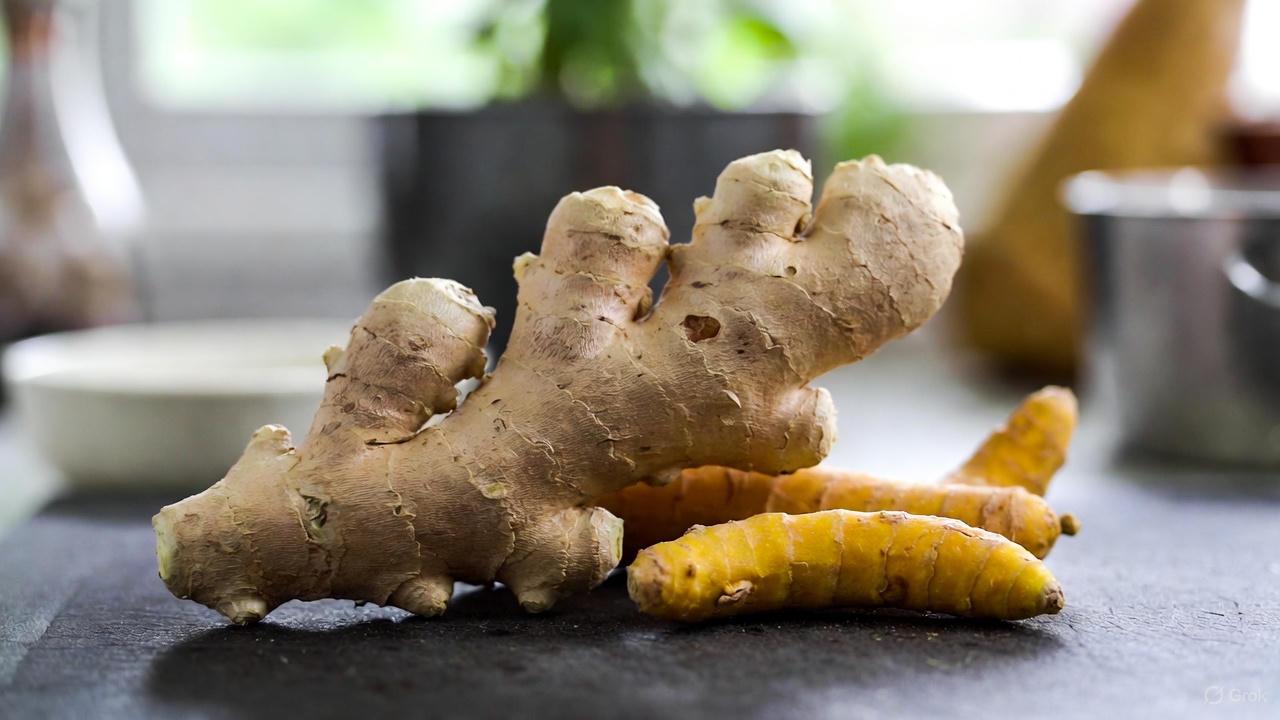
Ginger and turmeric tea has a spicy, warming flavor that many find soothing in the morning.
Research highlights two key compounds:
- Curcumin in turmeric, studied for its role in supporting the body’s natural response to inflammation.
- Gingerols in ginger, which may help promote healthy circulation.
A study published in the Journal of Medicinal Food observed that regular consumption of these ingredients was associated with reduced joint discomfort in older adults.
Many people report feeling more comfortable during movement after adding this tea to their routine. One tip: A pinch of black pepper can significantly improve curcumin absorption, according to research.
Here’s a quick look at potential benefits:
- May help ease post-activity stiffness
- Supports better blood flow to working muscles
- Provides a gentle, natural warmth without stimulants
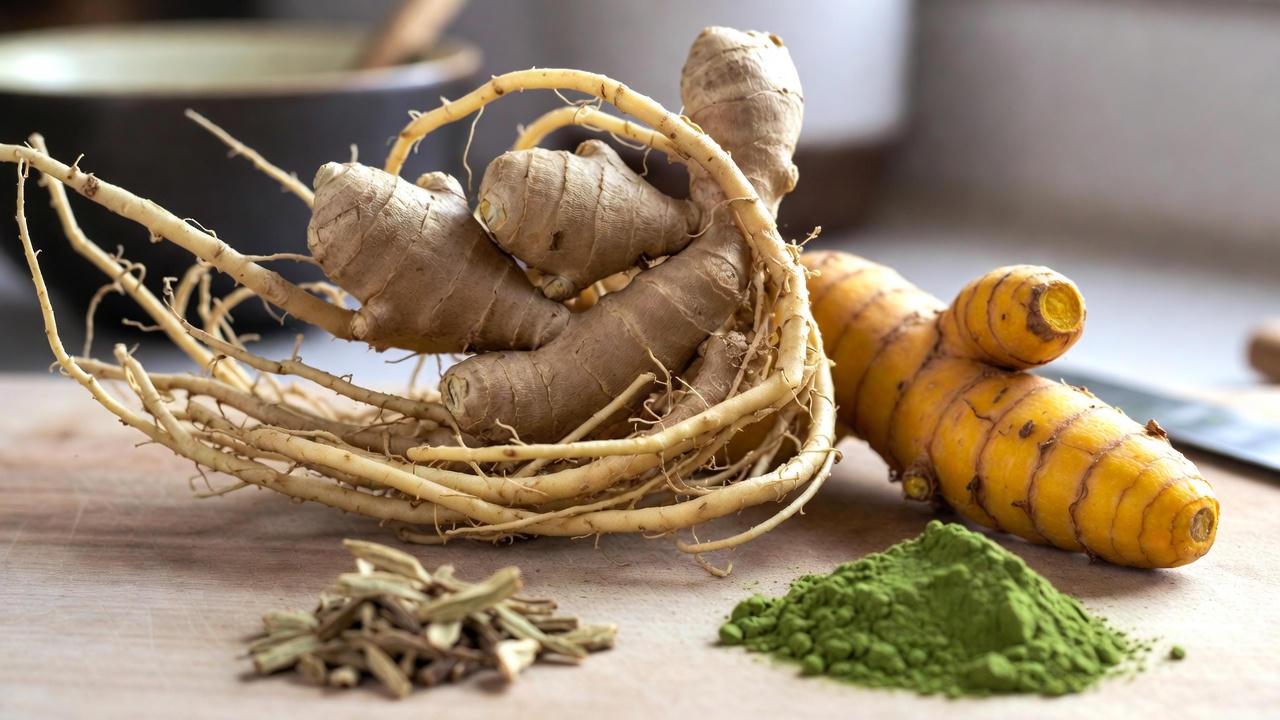
Tea #2: Green Tea with Ginseng – Supporting Sustained Energy
Green tea combined with ginseng offers a mild, earthy taste that pairs well with midday breaks.
Green tea contains catechins—antioxidants that research links to cellular protection. Ginseng is classified as an adaptogen, meaning it may help the body manage daily stressors more effectively.
A study in the American Journal of Chinese Medicine found that older adults who regularly consumed ginseng showed improvements in lower body strength measurements.
People often choose this blend when they want steady energy without the crash sometimes associated with coffee. The natural L-theanine in green tea also promotes calm focus.
Potential everyday advantages include:
- Enhanced endurance during light activities
- Better recovery between daily tasks
- Antioxidant support for overall vitality
But that’s not all—there’s a third tea that addresses another common factor affecting strength.
Tea #3: Ashwagandha Tea – Promoting Rest and Recovery
Chronic stress can elevate cortisol levels, which over time may contribute to muscle breakdown. Ashwagandha, an herb used in traditional wellness practices, is studied for its potential to help balance stress responses.
Research in the Journal of the International Society of Sports Nutrition noted improvements in strength and recovery markers among participants using ashwagandha.
Many enjoy this tea in the evening because it has a calming effect and may support better sleep quality—an essential factor for muscle maintenance.
Key areas it may support:
- Healthy cortisol balance
- Improved sleep for overnight recovery
- Gradual gains in physical resilience
Note: If you take thyroid medication, consult your healthcare provider before trying ashwagandha.
The Simple Addition That May Enhance All Three Teas
Here’s the interesting part many people overlook: A small amount of high-quality matcha powder.
Matcha is finely ground green tea that provides concentrated catechins and other beneficial compounds. A large Japanese study following thousands of older adults found that regular green tea consumption (including matcha) was associated with better maintenance of muscle strength into later years.
Try adding ½ teaspoon of matcha to any of the teas above. It blends smoothly and adds a vibrant color along with sustained energy support.
How to Prepare These Teas at Home (Easy Step-by-Step Guides)
Getting started doesn’t require special equipment—just basic kitchen items.
Ginger and Turmeric Tea
- Slice a 1-inch piece of fresh ginger (or use 1 tsp ground).
- Add 1 tsp turmeric powder (or fresh grated turmeric).
- Steep in 8–10 oz hot water for 10 minutes.
- Strain if needed, then add a pinch of black pepper and honey to taste.
Green Tea with Ginseng
- Brew one green tea bag in hot water for 2–3 minutes.
- Add ¼–½ tsp ginseng powder (or a ginseng tea bag).
- Steep an additional 5 minutes.
- Optional: Add lemon for brightness.
Ashwagandha Tea
- Place 1 tsp dried ashwagandha root in a small pot.
- Add 8–10 oz water and simmer gently for 10–15 minutes.
- Strain, then sweeten with honey or add cinnamon if desired.
Start with one cup daily and rotate varieties throughout the week for diversity.
Safety Tips and Best Practices
- Begin with smaller amounts to assess tolerance.
- Stay well-hydrated, as herbal teas can have mild diuretic effects.
- Always check with your doctor before adding new herbs, especially if you take medications.
- Choose reputable sources for tea ingredients to ensure quality.
A Simple 7-Day Plan to Incorporate These Teas
Day 1: Choose one tea and enjoy it at your usual beverage time.
Day 2–3: Continue the same tea while adding gentle leg stretches (5 minutes).
Day 4: Introduce a second tea variety.
Day 5–6: Aim for a short 10-minute walk daily alongside your tea.
Day 7: Reflect on how you feel and consider adding matcha.
Ongoing: Rotate the three teas and maintain light movement.
Consistency tends to yield the most noticeable supportive effects over weeks and months.
Final Thoughts
Incorporating ginger-turmeric, ginseng-green, or ashwagandha teas—perhaps enhanced with a touch of matcha—offers a gentle, enjoyable way to support muscle health and daily mobility after 60.
Research continues to explore how these natural compounds interact with aging processes, but many people find that simple rituals like enjoying a warm cup make a meaningful difference in how they feel day to day.
Pair these teas with light activity and balanced nutrition for the best potential outcomes. Your body may thank you with steadier steps and renewed energy.
Frequently Asked Questions
Are these teas safe to drink every day?
Most people tolerate them well in moderation. Start slowly and consult your healthcare provider if you have medical conditions or take medications.
How long before noticing any difference?
Individual responses vary, but many report subtle improvements in comfort and energy within 1–4 weeks of consistent use.
Can I drink more than one type per day?
Yes—rotating them provides variety. Just monitor total intake and avoid exceeding recommended amounts of any single herb.
This article is for informational purposes only and is not intended to diagnose, treat, cure, or prevent any disease. Always consult your healthcare provider before making changes to your diet or wellness routine, especially if you have existing health conditions or take medications.