
As we age, especially after 50, maintaining bone strength becomes a growing concern for many people. Bone density naturally declines over time, increasing the risk of fragility and discomfort in everyday activities like walking or lifting. While dairy products like milk are often recommended for their calcium content, research shows that a balanced diet with varied nutrient sources plays a key role in supporting overall bone health.
What if some everyday, budget-friendly foods from your kitchen could provide essential minerals and compounds that complement calcium intake? In this article, we’ll explore four accessible options—sesame seeds, almonds, black beans, and homemade bone broth—that offer supportive nutrients like calcium, magnesium, phosphorus, and collagen-building elements. These foods are backed by nutritional science and easy to incorporate into meals.
Why Bone Health Matters More as We Age
Bone is living tissue that constantly renews itself. After age 50, the balance can shift toward more breakdown than formation, leading to lower density. Nutrients like calcium provide structure, magnesium helps regulate calcium use, phosphorus supports bone formation, and collagen contributes to flexibility.
Many people focus heavily on calcium from dairy or supplements, but studies suggest that synergy among multiple nutrients is important for bone support. Plant-based and whole-food sources can deliver these in bioavailable forms, often with added benefits like antioxidants and fiber.
Research highlights that diets rich in varied minerals correlate with better bone outcomes, though individual results vary based on lifestyle and overall nutrition.
Busting Common Myths About Milk and Bone Support
Milk is a well-known calcium source, but some observational studies have noted that countries with high dairy intake sometimes show higher fracture rates—a finding sometimes called the “milk paradox.” Factors like overall diet, vitamin D levels, and activity may influence this.
Isolated calcium without balancing nutrients (such as magnesium) may not always be optimally used by the body. This is why incorporating complementary foods matters.
Studies emphasize that a diverse intake of bone-supporting nutrients from whole foods often provides better support than relying on one source alone.
Food #1: Sesame Seeds – A Tiny Source of Calcium and Magnesium
Sesame seeds are packed with calcium—about 975 mg per 100g in whole seeds—along with magnesium and other minerals. Research, including reviews on their bioactive components, indicates sesame seeds may support bone health in postmenopausal women due to their lignans and mineral profile.
Their calcium bioavailability is reasonable when part of a balanced diet, though some anti-nutrients like phytates can slightly reduce absorption (toasting or grinding can help).
How to add them daily:
- Sprinkle 1-2 tablespoons on salads, oatmeal, or stir-fries.
- Make homemade tahini by blending toasted seeds with a little oil.
- Use as a topping for yogurt or veggies.
Many people notice improved overall nutrient variety with regular inclusion.
Here are realistic photos of sesame seeds to inspire your daily use:
These images show toasted sesame seeds ready for sprinkling and a close-up of whole seeds in natural light.
Food #2: Almonds – Magnesium and Antioxidant Support
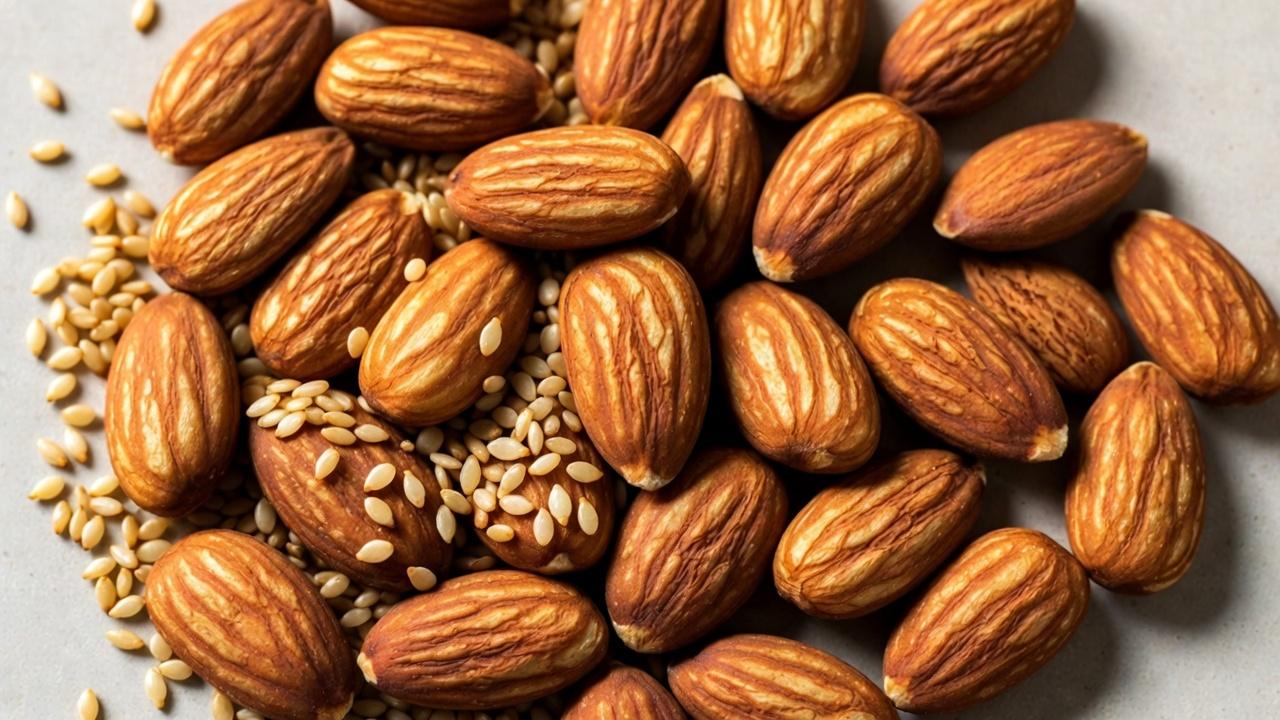
Almonds provide magnesium (about 270 mg per 100g), which plays a role in bone mineral density according to systematic reviews. They also offer vitamin E, an antioxidant that may help protect bone cells from oxidative stress.
A handful (about 1 oz or 23 almonds) delivers meaningful amounts of these nutrients, plus healthy fats and protein.
Simple ways to enjoy:
- Eat raw or soaked overnight for better digestibility.
- Blend into almond butter for spreads.
- Add to trail mix or baked goods.
Regular nut intake has been linked in studies to positive associations with bone density.
Food #3: Black Beans – Phosphorus and Plant Protein
Black beans are rich in phosphorus, a key mineral for bone structure, along with protein, magnesium, and other nutrients. Legumes like beans contribute to overall mineral intake, and research on plant-based diets shows supportive effects on bone health when phytates are managed (soaking and cooking helps reduce them).
A half-cup serving provides a solid phosphorus boost without excess.
Easy incorporation tips:
- Cook a batch weekly for soups, salads, or side dishes.
- Pair with veggies and spices for flavor.
- Use in chili or tacos.
Populations with regular legume consumption often show favorable bone outcomes in observational data.
Food #4: Homemade Bone Broth – Collagen and Amino Acids
Bone broth, simmered from bones and connective tissue, contains gelatin (derived from collagen), which provides amino acids like glycine and proline. Some studies on collagen peptides (related to gelatin) suggest benefits for bone mineral density in postmenopausal women.
While bone broth varies in nutrient levels, homemade versions offer a natural way to get these building blocks.
Basic recipe (makes about 8 cups):
- Place 2-3 lbs bones (chicken or beef) in a pot.
- Add water to cover, 2 tbsp vinegar, veggies (onion, carrot, celery), and herbs.
- Simmer 12-24 hours (slow cooker works well).
- Strain and store.
Sip as a warm drink or use in soups. Freeze in portions for convenience.
Comparison Table: Nutrient Highlights of These Foods
- Sesame Seeds — High calcium + magnesium; good for daily mineral boost.
- Almonds — Magnesium + vitamin E; antioxidant protection.
- Black Beans — Phosphorus + protein; structural support.
- Bone Broth — Collagen/gelatin; flexibility and amino acids.
These foods are low-cost, versatile, and complement dairy or supplements when needed.
Actionable Tips to Get Started
- Start small — Add one food this week (e.g., sesame seeds on breakfast).
- Combine for synergy — Try black beans with tahini dressing or almonds in broth-based soup.
- Be consistent — Aim for daily portions; pair with weight-bearing activities like walking.
- Monitor variety — Include vitamin D sources (sunlight, fortified foods) and consult a professional for personalized advice.
Many people find these habits easy to maintain long-term.
Conclusion: Build Bone Support with Everyday Choices
Incorporating these four affordable foods—sesame seeds, almonds, black beans, and homemade bone broth—can help diversify your nutrient intake for better bone health support. Focus on whole foods, balance, and consistency rather than any single item.
Always consult a healthcare provider before major dietary changes, especially if you have health conditions.
FAQ
Q1: Are these foods better than milk for bone health? No single food is “better,” but these provide complementary nutrients like magnesium and phosphorus that support calcium use. A varied diet is ideal.
Q2: How much should I eat daily? Start with 1-2 tbsp sesame seeds, a handful of almonds, ½ cup beans, and 1 cup broth a few times weekly—adjust based on your needs.
Q3: Can I use these if I’m vegan? Yes—sesame seeds, almonds, and black beans are plant-based. For collagen support, consider other sources like vitamin C-rich foods that aid natural production.
This article is for informational purposes only and does not constitute medical advice. Consult your healthcare provider for personalized guidance.


