Many people with elevated creatinine levels look for simple, everyday ways to support their kidney function through diet. What if adding a few specific fruits to your evening routine could provide helpful nutrients while you rest? In this article, we’ll explore four common fruits that research suggests may offer benefits for kidney health when enjoyed at night.
The good news is that certain low-potassium fruits are rich in antioxidants and fiber that could play a supportive role. Keep reading to discover which ones they are—and a simple way to incorporate them that fits easily into your daily life.

Understanding Creatinine and Why Diet Matters for Kidney Support
Creatinine is a waste product from muscle metabolism that healthy kidneys filter out. When levels stay high, it often signals the kidneys are working harder than usual.
Research from organizations like the National Kidney Foundation shows that diet plays an important role in overall kidney health. Choosing foods low in potassium while high in protective compounds can be a helpful strategy for many people.
The evening hours may be especially valuable. Studies indicate that much of the body’s repair and detoxification processes happen overnight. Providing gentle, nutrient-dense options before bed could support these natural cycles.
But that’s not all—let’s look at why timing and selection matter.
Fruit #1: Apples – A Gentle Source of Soluble Fiber
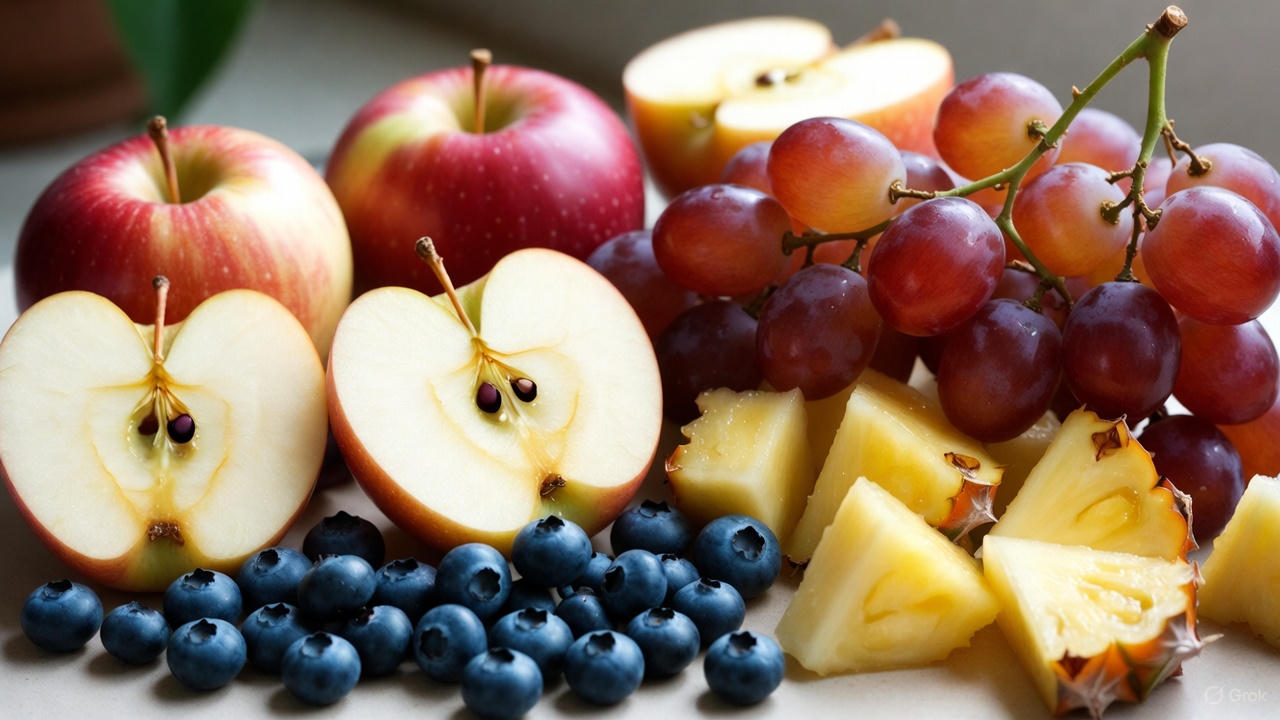
Apples are one of the lowest-potassium fruits and contain pectin, a type of soluble fiber.
Research published in Nephrology Dialysis Transplantation (2024) suggests that apple pectin may help bind certain compounds in the digestive tract, potentially reducing the workload on the kidneys.
Many people enjoy a medium apple with the skin in the evening. The fiber promotes gentle digestion overnight, and the natural sweetness makes it a satisfying choice.
Here are some easy ways to include apples:
- Slice one medium organic apple and eat it slowly after dinner
- Choose varieties like Granny Smith or Fuji for different flavors
- Keep the skin on for maximum fiber benefits
This simple habit feels manageable and refreshing.
Fruit #2: Blueberries – Packed with Protective Antioxidants
Blueberries stand out for their deep blue pigments called anthocyanins.
A 2024 review in Antioxidants found that these compounds may help reduce oxidative stress in kidney tissue in animal and human studies.
Frozen blueberries work well as a bedtime snack—they’re convenient and may even concentrate the beneficial compounds slightly.
Tips for enjoying blueberries at night:
- Measure about ½ to 1 cup of fresh or frozen berries
- Eat them plain or slightly thawed for a cool treat
- Avoid added sugar to keep it kidney-friendly
Many find this small serving helps satisfy sweet cravings without heaviness.
Fruit #3: Red Grapes – A Natural Source of Resveratrol
Red grapes contain resveratrol, a compound studied for its potential anti-inflammatory effects.
A 2023 study in the Journal of Renal Nutrition noted improvements in certain kidney function markers in participants consuming resveratrol-rich foods.
Choose seedless or seeded varieties and chew thoroughly if including seeds.
Practical suggestions:
- Enjoy 10–15 red grapes as an evening wind-down snack
- Wash them well and store in the fridge for easy access
- Pair with mindful eating to fully appreciate the flavor
This modest portion fits well within low-to-moderate potassium guidelines.
Fruit #4: Pineapple – Contains the Enzyme Bromelain
Fresh pineapple provides bromelain, an enzyme with researched anti-inflammatory properties.
A 2024 study in Nutrients indicated bromelain may help reduce certain inflammation markers related to kidney stress.
Fresh chunks are preferable over canned in syrup.
How to add pineapple safely:
- Stick to ½ to ¾ cup fresh chunks in the evening
- Cut fresh pineapple into bite-sized pieces ahead of time
- Enjoy the natural sweetness as a light dessert
The juicy texture makes it feel like a treat.
Safe Portion Guide: Low-Potassium Fruits vs Higher Ones
Choosing the right fruits and portions matters. Here’s a simple comparison:
| Fruit | Approx. Potassium (mg per cup) | General Kidney Consideration | Suggested Evening Portion |
|---|---|---|---|
| Apple | 107 | Generally supportive | 1 medium whole |
| Blueberries | 114 | Generally supportive | ½–1 cup |
| Red Grapes | 176 | Moderate—watch portion | 10–15 grapes |
| Pineapple | 180 | Moderate—fresh preferred | ½–¾ cup fresh chunks |
| Banana | 422 | Higher potassium | Limit or avoid in evening |
| Orange | 237 | Higher potassium | Limit heavily |
| Avocado | 708 | Very high potassium | Small amounts only |
Always adjust based on your doctor’s guidance and lab results.
A Simple 4-Week Evening Rotation to Try
If you’d like to experiment, here’s a gentle rotation many find easy to follow:
Week 1: One medium apple nightly
Week 2: Switch to ½–1 cup blueberries
Week 3: 10–15 red grapes
Week 4: ½–¾ cup fresh pineapple, then continue rotating
This variety prevents boredom and provides different beneficial compounds each week.
Listen to your body and track how you feel—many notice better morning energy and less puffiness.
Extra Tips to Maximize Benefits
- Eat your chosen fruit 1–2 hours before bed for comfortable digestion
- Stay hydrated throughout the day (follow your doctor’s fluid advice)
- Combine with other kidney-friendly habits like light evening walks
- Keep a simple journal of energy levels and morning comfort
Small, consistent steps often add up over time.
Conclusion: Small Evening Changes Can Make a Meaningful Difference
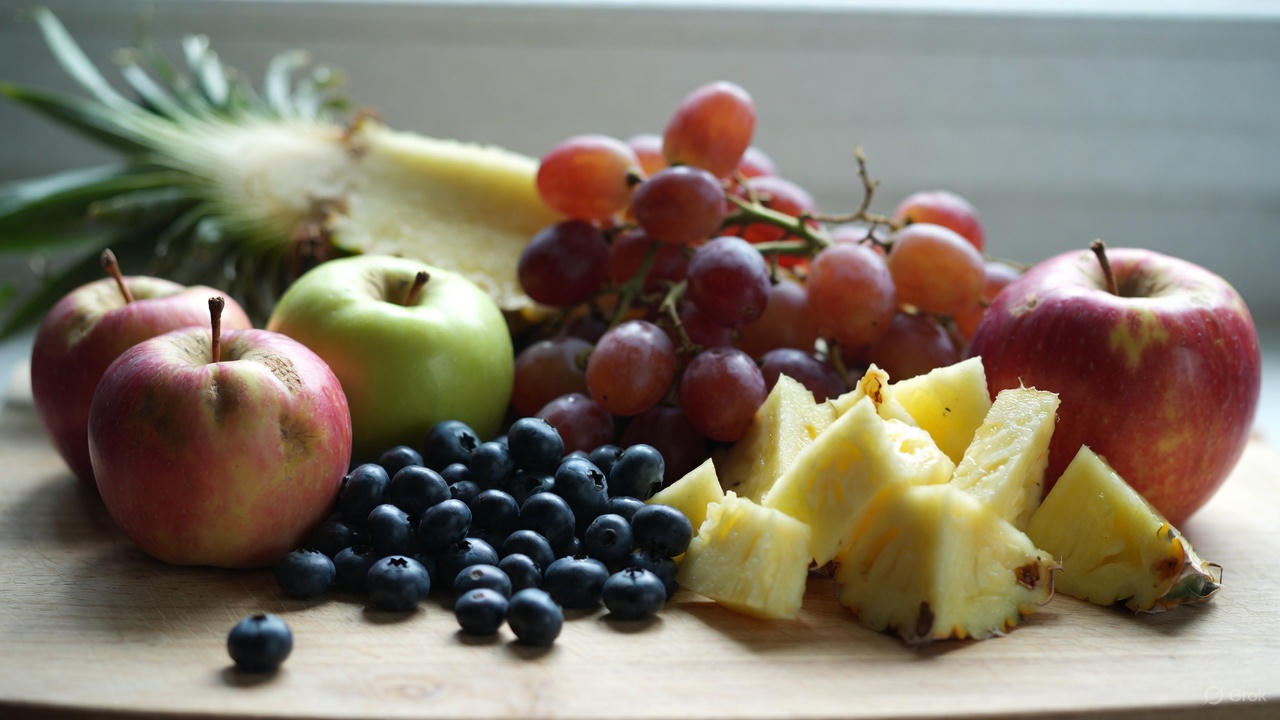
Incorporating these four low-potassium, antioxidant-rich fruits—apples, blueberries, red grapes, and pineapple—into your evening routine offers a simple way to support kidney health naturally.
Research continues to highlight the potential role of diet in managing creatinine levels and overall well-being. While no food replaces medical care, these gentle additions may complement your existing plan.
Start with one fruit tonight and see how your body responds over the coming weeks.
Frequently Asked Questions
1. Can eating fruit at night really help with creatinine levels?
Dietary choices, including timing, may support kidney function for some people. Studies suggest antioxidant-rich, low-potassium fruits could play a helpful role, but results vary. Always discuss changes with your healthcare provider.
2. How much of these fruits is safe to eat daily?
Portions like 1 apple, ½–1 cup blueberries, 10–15 red grapes, or ½–¾ cup pineapple are generally considered moderate. Your nephrologist or dietitian can personalize recommendations based on your labs.
3. Should I avoid all high-potassium fruits completely?
Not necessarily—many people include small amounts of favorites like bananas occasionally. The key is balance and monitoring potassium intake under professional guidance.
Disclaimer: This article is for informational purposes only and is not medical advice. It does not diagnose, treat, or cure any condition. Always consult your healthcare provider before making dietary changes, especially if you have kidney concerns, are on medications, or follow a restricted diet. Individual responses to foods vary, and regular lab monitoring is essential.