Breast cancer remains one of the most common cancers affecting women worldwide, yet many cases are discovered only after they have already spread. The scary part? Your body often starts sending quiet signals months or even a year before anything feels seriously wrong. The good news is that noticing these early changes and acting quickly can make a huge difference in outcomes. Keep reading, because the fourth sign almost no one talks about might surprise you…
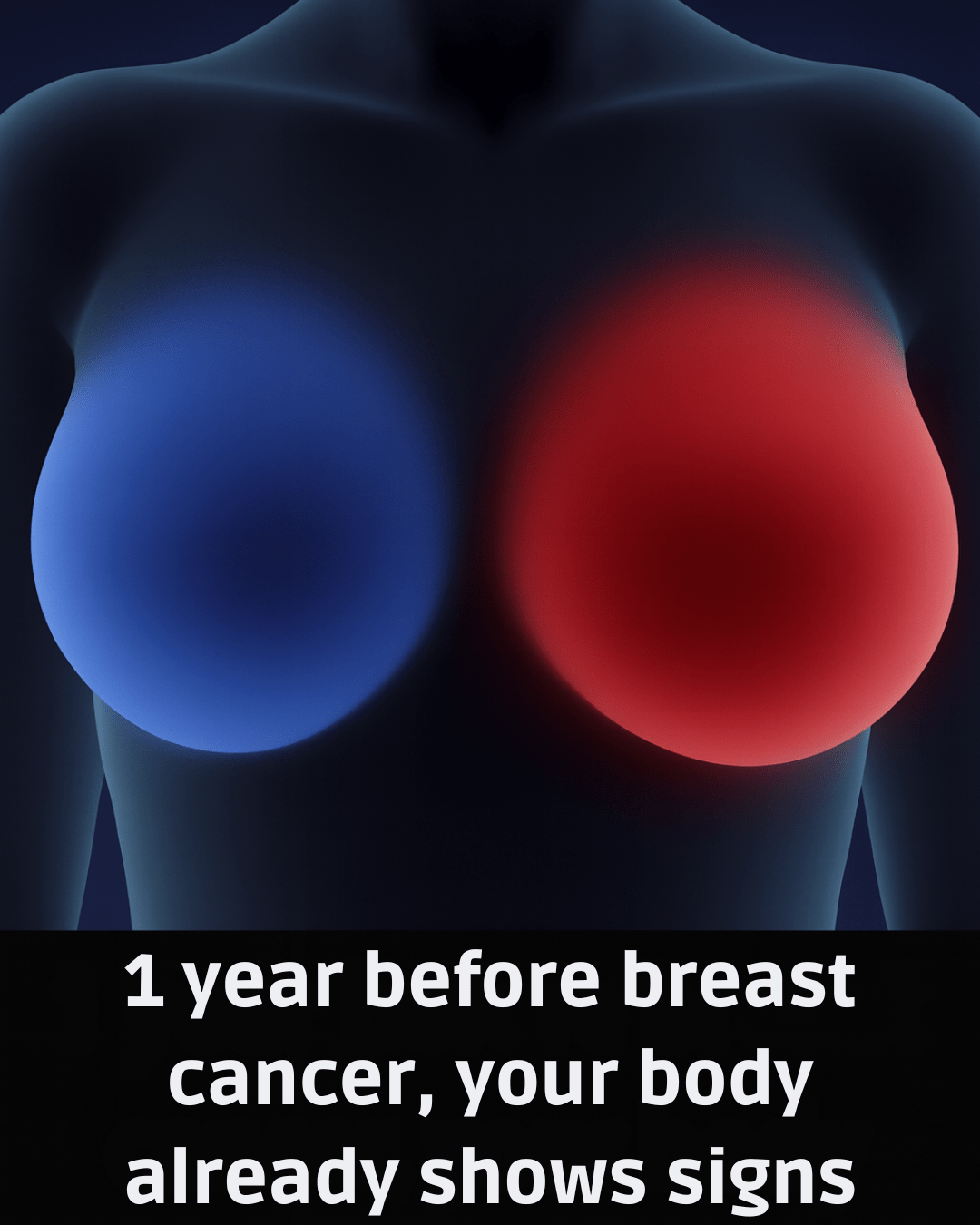
Why Early Detection Matters More Than You Think
Research from the American Cancer Society shows that when breast cancer is found at an early stage (before it spreads to lymph nodes), the 5-year relative survival rate is 99%. That number drops significantly with later stages. The earlier you notice something unusual, the more options you have. And the best part? You don’t need fancy equipment – just awareness of your own body.
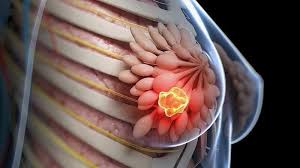
Sign #1: A New Lump or Thickened Area (That Wasn’t There Before)
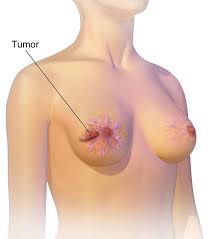
Most people think of a hard, painless lump – and yes, that’s common. But early lumps can also feel soft, tender, or even slightly movable. They might appear anywhere in the breast or underarm area.
Studies published in the journal Breast Cancer Research show that about 80% of lumps turn out to be benign (fibroadenomas, cysts, etc.), but checking every new lump is still the safest approach.
What to do right away:
- Gently feel your breasts while lying down and again in the shower (when skin is slippery)
- Use the pads of your fingers in small circular motions
- Cover the entire breast and armpit area
- Don’t panic – just make a note and schedule a visit
Sign #2: Unexplained Changes in Breast Shape or Size
One breast suddenly looking larger, lower, or differently shaped than usual can be an early clue. Sometimes it’s subtle – a slight asymmetry you only notice in certain bras or when raising your arms.
According to the UK’s National Health Service data, visible changes in contour or shape are reported in up to 1 in 6 cases before a lump is felt.
Here’s a quick self-check you can do in front of a mirror:
- Stand with arms at your sides, then raise them overhead
- Place hands on hips and press firmly to flex chest muscles
- Look for dimpling, bulging, or one breast sitting differently
- Turn side to side to compare both views
Sign #3: Skin Changes You Can’t Explain
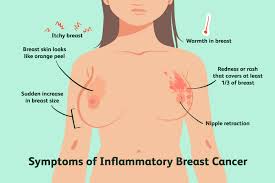
Your breast skin normally looks the same as the rest of your chest. When cancer cells block lymphatic vessels, the skin can start to look like orange peel (peau d’orange), become red, inflamed, or unusually warm.
A 2022 study in The Breast Journal found that inflammatory changes were the first noticeable sign in nearly 10% of cases – especially in younger women and those with denser breast tissue.
Red flags to watch for:
- Persistent redness that doesn’t go away after a week
- Itchy, scaly rash (especially around the nipple) that doesn’t respond to usual creams
- Skin thickening or visible pores becoming more prominent
- Warmth in one specific area of the breast
Sign #4: The One Almost No One Talks About – Nipple Changes or Discharge
This is the sign that surprises most women. A nipple that suddenly becomes inverted (pulled inward) when it used to point outward can be an early warning. Clear or bloody discharge from one nipple only (especially if it happens without squeezing) is another red flag.
The Journal of Clinical Oncology reports that spontaneous nipple discharge is the presenting symptom in 5–10% of breast cancer cases.
Key differences between normal and concerning discharge:
| Normal | Concerning |
|---|---|
| Comes from both breasts | Only one breast |
| Only when squeezed | Happens on its own |
| Milky (especially if recently pregnant or breastfeeding) | Clear, bloody, or brown |
| Comes from multiple ducts | Comes from a single duct |
How to Do a Proper Breast Self-Exam (Step-by-Step Guide)
The best time is a few days after your period ends when breasts are least tender.
- In the shower – Use the pads of your three middle fingers. Check for lumps using light, medium, and firm pressure in circular motions.
- In front of a mirror – Inspect for visual changes with arms at sides, raised, and on hips.
- Lying down – Place a pillow under your right shoulder and your right arm behind your head. Check the right breast with your left hand (and vice versa). This position spreads breast tissue more evenly.
Do this once a month. Familiarity with how your breasts normally feel makes new changes easier to spot.
When Should You See a Doctor?
Don’t wait for “proof.” Contact your healthcare provider if you notice:
- Any of the four signs above that last more than 2 weeks
- Changes that keep getting worse
- Anything that feels different from your last self-exam
Most doctors would rather see you 10 times for nothing than once too late.
Final Thoughts
Your breasts change throughout life – with your cycle, weight fluctuations, and age. That’s normal. What’s not normal is ignoring new, persistent changes because “it’s probably nothing.” Early detection isn’t about living in fear – it’s about taking control.
The women who catch things earliest are usually the ones who simply paid attention to their bodies and acted quickly. You deserve that same peace of mind.
Frequently Asked Questions
At what age should I start checking my breasts regularly? Most experts recommend becoming familiar with your breasts in your 20s and doing monthly self-exams starting at age 30, alongside clinical exams and screening mammograms as recommended by your doctor.
Can men get breast cancer too? Yes, though it’s much rarer. About 1 in 100 breast cancer cases occur in men. The same warning signs apply.
I have dense breasts – does that change anything? Dense breasts can make lumps harder to feel and mammograms harder to read. Talk to your doctor about whether additional screening (ultrasound or MRI) might be helpful.
Disclaimer: This article is for informational purposes only and is not a substitute for professional medical advice, diagnosis, or care. Always consult your healthcare provider with any questions or concerns about your health. Early detection improves outcomes, but only a qualified medical professional can interpret changes in your body.