
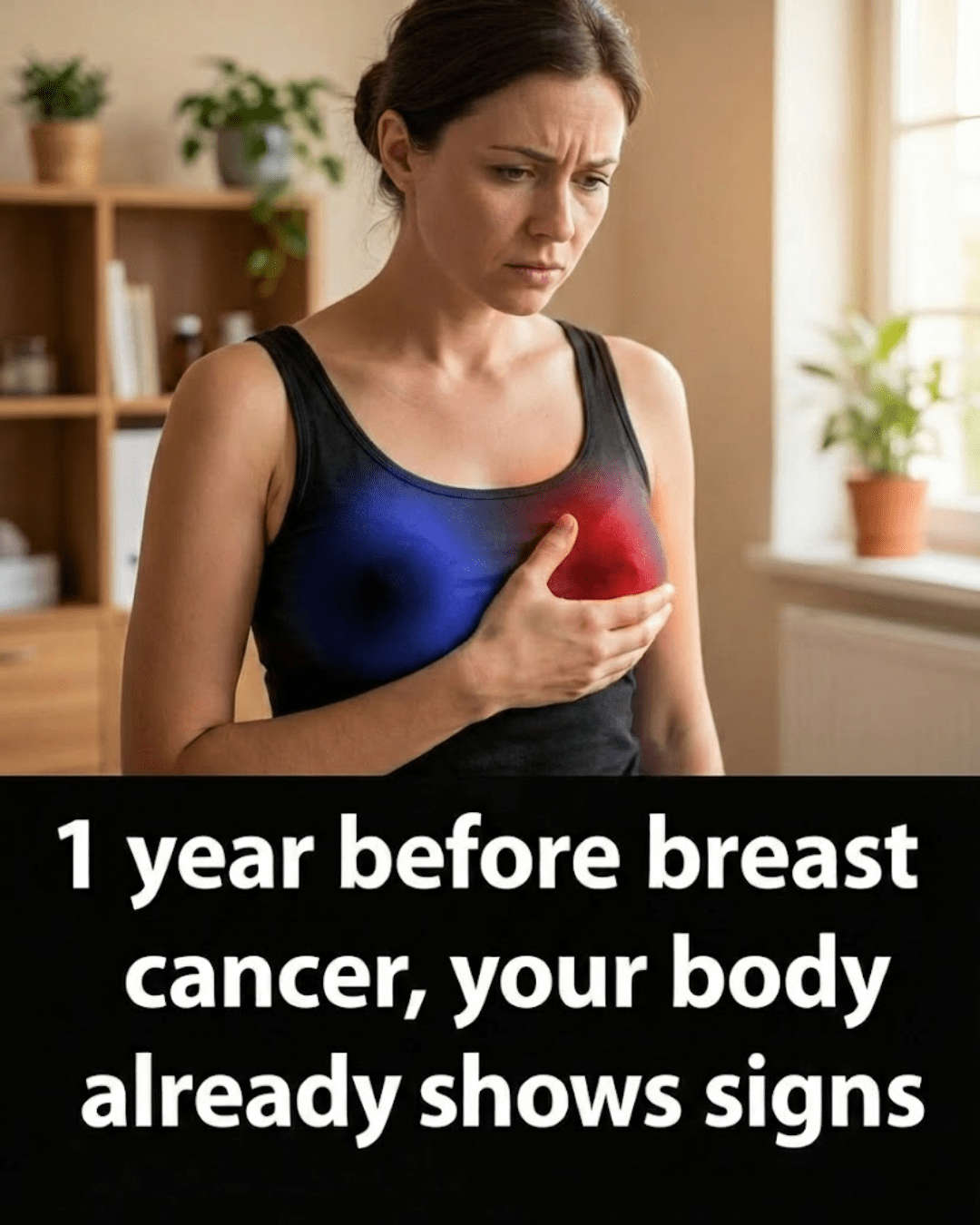
Breast cancer remains one of the most common cancers affecting women worldwide, and noticing changes in your breasts early can make a significant difference in outcomes. Many women feel anxious about what might be happening in their bodies, especially when subtle shifts appear without an obvious reason. The good news is that paying close attention to your breast health empowers you to take timely action. In this article, you’ll discover four key early warning signs backed by trusted sources like the American Cancer Society and Mayo Clinic, plus practical steps to stay proactive about your well-being. Keep reading to the end, where we’ll share an important insight that could help you spot changes even sooner.
Why Knowing Your Breasts Matters More Than Ever
Research shows that while some breast cancers are found through routine screening like mammograms before any symptoms appear, others cause noticeable changes that women can detect themselves. According to the American Cancer Society, knowing what your breasts normally look and feel like is essential because early detection often leads to more favorable outcomes.
But here’s the reality: most breast changes are not cancer. Things like lumps from cysts, hormonal fluctuations, or benign conditions are far more common. Still, ignoring persistent changes isn’t worth the risk. The key is awareness combined with professional evaluation.
Sign 1: A New Lump or Thickened Area
The most talked-about sign is often a new lump or mass in the breast. Studies from organizations like the Mayo Clinic highlight that a lump or thickened area that feels different from the surrounding tissue deserves attention.
- It might feel hard with irregular edges, though some can be soft or tender.
- It could appear in the breast, underarm, or near the collarbone.
- Importantly, many lumps turn out to be non-cancerous, such as fibroadenomas or cysts.
But that doesn’t mean you should wait. If you notice something new that persists beyond your menstrual cycle, get it checked.
Here’s a quick self-check guide you can do at home:
- Stand in front of a mirror with your arms at your sides, then raised overhead.
- Look for any visible differences in size, shape, or contour.
- Gently press around the breast in circular motions while lying down.
- Repeat monthly, ideally a few days after your period ends.
This simple habit takes just minutes but can help you become familiar with your normal breast tissue.
Sign 2: Changes in Breast Size, Shape, or Skin Texture
Sometimes, there’s no lump at all—yet the breast looks or feels different. The American Cancer Society notes that swelling in part or all of the breast (even without a detectable lump) can be a red flag.
Other skin-related changes include:
- Dimpling or puckering that resembles orange peel texture.
- Redness, warmth, or darkening of the skin (more noticeable on lighter skin tones, but can appear differently on darker skin).
- Thickening or scaliness on the breast skin.
These signs can develop gradually or more quickly in certain types like inflammatory breast cancer. The important takeaway? Any persistent change in how the skin or overall breast appearance feels unusual should prompt a visit to your healthcare provider.
But that’s not all… many women overlook these because they seem minor at first.
Sign 3: Nipple Changes You Shouldn’t Dismiss
Your nipples can provide important clues too. Mayo Clinic experts point out that changes like a nipple turning inward (if it’s usually pointing out), flattening, or any new retraction warrant attention.
Other nipple-related signs include:
- Discharge that’s clear, bloody, or occurs without squeezing (especially if it’s from one breast only).
- Scaling, crusting, or flaking around the nipple area.
- Pain or burning sensation in the nipple.
Again, most nipple discharge is benign, often linked to hormones or infections. However, new or unusual discharge is worth discussing with a doctor for peace of mind.
Sign 4: Persistent Breast or Nipple Pain
While breast pain is common and usually tied to menstrual cycles, ongoing pain in one area that doesn’t go away could signal something more. Reliable sources like the CDC and WebMD explain that unexplained pain, tenderness, or burning in the breast or nipple area is less common but should never be ignored.
Keep in mind:
- Pain alone rarely indicates breast cancer on its own.
- But when combined with other changes, it’s a reason to seek evaluation.
- Hormonal shifts, caffeine, or certain bras can cause discomfort, so tracking patterns helps.
If the pain lingers for weeks or feels different from your usual cycle-related tenderness, don’t hesitate to get it checked.
Actionable Steps: What You Can Do Right Now
Empowering yourself starts with simple habits. Here’s a practical checklist:
- Perform monthly breast self-awareness checks.
- Schedule regular clinical breast exams with your doctor.
- Follow age-appropriate screening guidelines (for example, discuss mammogram timing with your provider starting around age 40-45, depending on your risk factors).
- Maintain a healthy lifestyle: regular exercise, balanced diet, limited alcohol, and avoiding smoking support overall breast health.
- Know your family history—if close relatives have had breast cancer, talk to your doctor about earlier or more frequent screening.
These steps don’t replace professional advice, but they help you stay ahead.
Conclusion: Take Control of Your Breast Health Today
Being aware of these four early warning signs—a new lump or thickening, changes in size/shape/skin texture, nipple alterations, and persistent pain—gives you the knowledge to act quickly if something feels off. Remember, most changes turn out to be harmless, but checking them brings reassurance and, when needed, earlier intervention.
Stay proactive, trust your body, and prioritize regular check-ups. Your health is worth it.
Frequently Asked Questions (FAQ)
How soon can breast cancer symptoms appear before diagnosis? Breast cancer can develop over years, and some types show no symptoms until detected by screening. Others cause noticeable changes months to a year before diagnosis, but many cases are found early through mammograms before symptoms start.
Do all women with breast cancer have lumps? No—research indicates about 1 in 6 women present with symptoms other than a lump, such as skin changes or nipple issues. That’s why knowing a range of signs is so valuable.
When should I see a doctor about breast changes? Any new, persistent, or unusual change should be evaluated promptly. Don’t wait for your next scheduled appointment if something concerns you—early professional assessment is key.
Disclaimer: This article is for informational purposes only and is not a substitute for professional medical advice. Always consult a qualified healthcare provider if you notice any changes in your breasts or have concerns about your health. Early detection through screening and awareness can be life-saving, but only a doctor can provide a proper evaluation.


