Many adults experience occasional fatigue, bloating, or changes in energy levels as part of daily life. These subtle signs can sometimes reflect how well the body is managing fluid balance and waste removal. Staying properly hydrated plays a key role in supporting overall health, including the kidneys’ natural filtration process.
Research shows that what you drink matters just as much as how much. Some beverages may help maintain healthy fluid levels and provide beneficial compounds. Here’s the interesting part: a few common options, when chosen wisely, could make a positive difference over time. Keep reading to discover five evidence-based choices and practical ways to include them.

Why Hydration Matters for Kidney Function
The kidneys filter a large volume of blood each day, helping remove waste while balancing fluids and electrolytes. As people age, kidney efficiency can naturally change—studies indicate that many adults over 60 experience some degree of reduced function.
Dehydration or inconsistent fluid intake can add extra work to this process. On the other hand, adequate hydration supports smooth filtration. Research from sources like the National Kidney Foundation emphasizes plain water as the foundation, but certain drinks may offer additional gentle support through antioxidants or other properties.
Here’s a quick self-check: How consistent is your daily fluid intake? Small adjustments can add up.
The Role of Smart Beverage Choices
Healthy hydration involves more than just volume—it’s about quality too. Beverages high in added sugars or sodium can contribute to fluid retention or other stresses. Studies in journals like the American Journal of Kidney Diseases highlight how specific drinks may help reduce inflammation or support electrolyte balance.
The good news? Everyday options backed by research can fit easily into routines. Let’s explore five that stand out.
1. Plain Water with a Twist of Lemon
Water is the top choice for hydration. It helps dilute waste and promotes steady blood flow to the kidneys. Observational studies link higher plain water intake to better long-term kidney function.
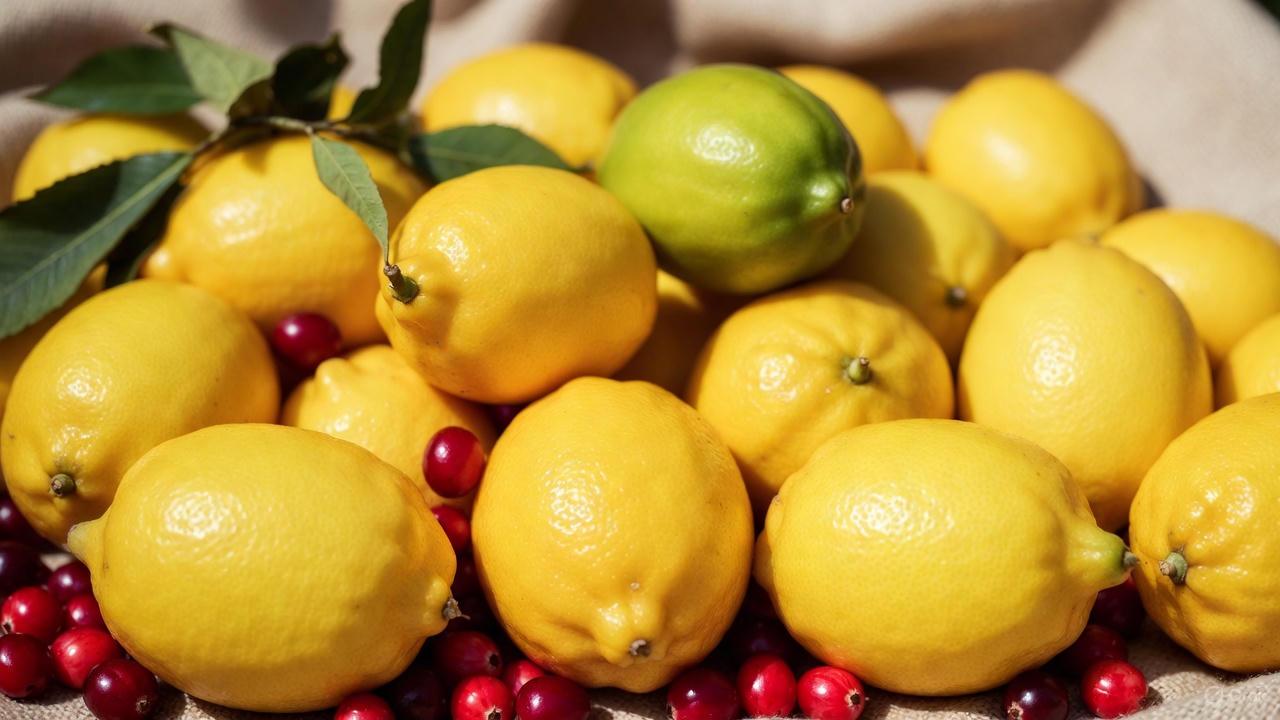
For variety, adding fresh lemon slices provides natural flavor. Lemon’s citric acid may help prevent certain types of kidney stones, according to reviews from the National Kidney Foundation and Harvard Health.
Tips to try:
- Aim for 2-3 liters daily, adjusted for activity and climate.
- Start the day with a glass of lemon-infused water.
- Use room-temperature water for easier sipping.
2. Low-Fat or Unsweetened Dairy Milk
Low-fat milk offers calcium, potassium, and vitamin D in a balanced form. Some long-term studies, including those in Scientific Reports, suggest regular intake of low-fat dairy may be linked to slower declines in kidney function.
Choose unsweetened varieties to keep it simple. It’s a nutrient-dense option that supports overall wellness.
How to incorporate:
- Enjoy 1-2 cups per day, perhaps in oatmeal or as a snack.
- Opt for skim or 1% fat versions.
3. Moderate Black Coffee
Moderate coffee (1-3 cups daily) has been associated with lower risk of chronic kidney disease in large cohort studies and meta-analyses, such as those in the Clinical Journal of the American Society of Nephrology.
Its antioxidants may play a role. Stick to black or with minimal additions to avoid extras.
Practical steps:
- Limit to morning or early afternoon.
- Switch to decaf if caffeine sensitivity is a concern.

4. Green Tea
Green tea contains catechins like EGCG, which show antioxidant properties in lab and human studies. Research suggests it may help reduce oxidative stress and support kidney health, with some links to lower stone risk.
Keep it to 1-2 cups daily for balance.
Easy ways to add it:
- Brew unsweetened and enjoy hot or iced.
- Choose decaffeinated if needed.
5. Unsweetened Cranberry Juice
Pure, unsweetened cranberry juice may help maintain urinary tract health by preventing bacterial adhesion, per studies on UTIs—a common issue that can affect kidneys indirectly.
A small glass daily offers gentle support without added sugars.
Suggestions:
- Dilute with water for lighter taste.
- Look for 100% juice labels.
Drinks to Approach with Caution
Not all beverages support hydration equally. Sugary sodas, excessive alcohol, and high-sodium drinks can strain balance. Dark colas with phosphoric acid are often limited in kidney guidelines.
Focus on whole, low-additive options for best results.
Quick Comparison Table
| Drink | Key Potential Benefits | Suggested Daily Amount |
|---|---|---|
| Water (with lemon) | Flushes waste, prevents stone formation | 2-3 liters |
| Low-Fat Milk | Provides balanced nutrients | 1-2 cups |
| Black Coffee | Antioxidants, moderate intake | 1-3 cups |
| Green Tea | Catechins for antioxidant support | 1-2 cups |
| Unsweetened Cranberry | Urinary tract support | 8 oz |
Simple Steps to Get Started
Start small for lasting habits:
- Replace one sugary drink with water or herbal tea.
- Track intake for a week to notice patterns.
- Spread fluids throughout the day, especially mornings.
- Pair with balanced meals for synergy.
Consistency matters most. Many people report feeling more energized with better hydration.
Frequently Asked Questions
1. How much fluid should I aim for daily?
Needs vary by age, activity, and health—generally 2-3 liters from beverages, but consult a doctor for personalized advice.
2. Can these drinks replace medical treatment?
No, they’re supportive habits. Always follow professional guidance for any health concerns.
3. What if I don’t like plain water?
Infuse with lemon, cucumber, or herbs for natural flavor without additives.
This article is for informational purposes only and is not a substitute for professional medical advice. Consult your healthcare provider before making changes, especially if you have existing kidney concerns or take medications.
(Word count: 1,248)