
Many people over 60 find that long walks become harder due to joint discomfort, balance concerns, or unpredictable weather. These challenges can make everyday tasks like climbing stairs or carrying groceries feel uncertain, and the worry about falling often grows stronger with time. The good news is that targeted strength and balance activities, often recommended by orthopedic specialists, can help maintain mobility and confidence without the impact of walking.
What if a few simple moves done from a chair or against a wall could make a real difference? Keep reading to discover five low-impact exercises that many seniors find easier to stick with and potentially more supportive for daily function.

Why Strength and Balance Matter More as We Age
Research shows that muscle mass naturally decreases with age, a process sometimes called sarcopenia. At the same time, balance can become less reliable. Studies, including those published in journals like the Journal of Gerontology, suggest that regular resistance and balance training may help preserve muscle strength and reduce fall risk more effectively than cardio alone in older adults.
These types of exercises also support bone density and joint stability. The best part? Many can be done at home with minimal equipment, making them convenient even on busy or rainy days.
But which ones are safest and most helpful? Here are five that physical therapists and orthopedic experts often recommend for people over 60.
1. Gentle Chair Yoga for Better Flexibility and Calm
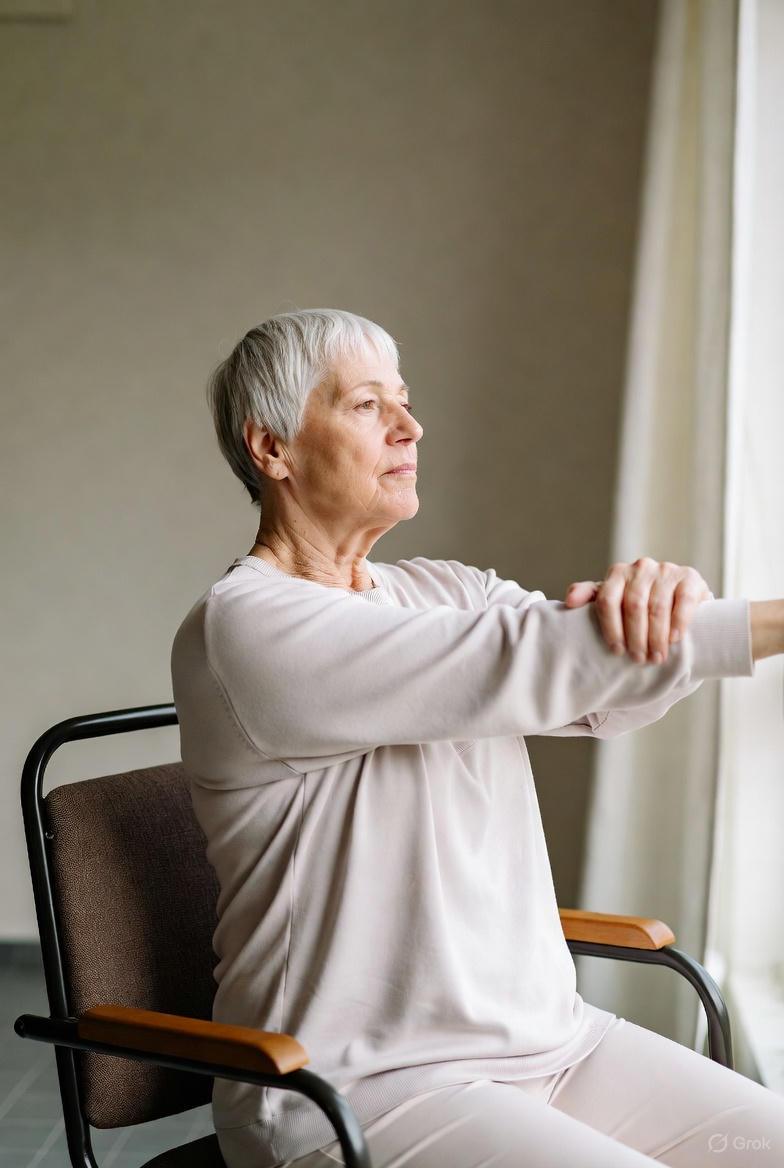
Chair yoga adapts traditional poses so you stay seated or use the chair for support. It focuses on gentle stretches, breathing, and mindful movement.
Picture sitting tall, inhaling as you reach your arms overhead, then exhaling as you twist gently to one side. Many people notice improved posture and less morning stiffness after a few weeks.
Research from the National Institutes of Health indicates that modified yoga practices may support balance and flexibility while lowering stress levels. Start with 5 to 10 minutes daily.
Try this simple sequence:
- Sit tall and roll your shoulders back a few times
- Reach arms overhead on an inhale, lower on exhale
- Gently turn your torso side to side, holding the chair for stability
- Finish with a few deep breaths
No floor work needed, perfect for beginners.
2. Wall Push-Ups to Build Upper Body Strength
Regular push-ups feel out of reach for many, but wall push-ups offer the same benefits with much less strain.
Stand facing a wall, place your hands shoulder-width apart at chest height, then bend your elbows to lean in gently. Push back to the starting position. That’s one rep.
This move strengthens the chest, shoulders, and arms, making tasks like pushing a shopping cart or lifting items easier. Studies show that upper-body resistance training helps maintain independence in daily activities.
Keep your body straight and move slowly. Start closer to the wall if needed. Aim for 10 repetitions.
Here’s how to do it safely:
- Stand about arm’s length from the wall
- Keep feet hip-width apart for stability
- Bend elbows to about 90 degrees
- Pause briefly, then push away
- Rest as needed between reps
You’ll likely feel your muscles working without joint stress.

3. Seated Leg Lifts or Marches for Stronger Legs
These can be done entirely from a chair, making them ideal when standing for long periods feels tiring.
Sit tall with feet flat on the floor. Lift one knee toward your chest, then lower it slowly. Alternate sides like a gentle march. Or straighten one leg out in front, hold briefly, and lower.
This targets the quadriceps and hip flexors, key muscles for standing up from chairs and climbing stairs. Research suggests seated lower-body exercises improve circulation and leg endurance.
Add these tips for comfort:
- Hold the sides of the chair for extra support
- Move slowly to avoid momentum
- Breathe steadily throughout
- Stop if you feel sharp discomfort
Many people notice smoother rising from seats within weeks.
4. Glute Bridges for Core and Lower Back Support
Glute bridges strengthen the backside, lower back, and core muscles that help with posture and stability.
Lie on your back on a mat or firm bed, knees bent and feet flat. Gently lift your hips a few inches, squeeze your glutes, then lower slowly. A modified version can start with very small lifts.
Stronger glutes are linked to better walking posture and reduced lower-back discomfort, according to multiple studies on older adults.
If floor work feels challenging, try a seated version by pressing your feet into the floor and gently squeezing your glutes.
Progress gradually:
- Start with 8 to 10 small lifts
- Hold for 2 seconds at the top
- Rest 30 seconds between sets
- Build to 2 or 3 sets
Consistency often brings noticeable improvements.
5. Resistance Band Pulls for Posture and Upper Back
Light resistance bands are inexpensive and portable. They add gentle tension to make movements more effective.
Sit or stand holding a band at chest height. Pull the ends apart while squeezing your shoulder blades together, then slowly return.
This strengthens the upper back and helps counteract rounded shoulders. Good posture supports breathing and balance.
Evidence from strength-training studies shows that resistance exercises help maintain muscle mass and functional ability in seniors.
No band? You can mimic the motion with palms pressed together.
Quick comparison of the five exercises:
| Exercise | Main Focus | Equipment Needed | Best For |
|---|---|---|---|
| Chair Yoga | Flexibility & calm | Sturdy chair | Daily relaxation |
| Wall Push-Ups | Chest & arms | Wall | Upper body tasks |
| Seated Leg Lifts | Legs & hips | Chair | Rising from seats |
| Glute Bridges | Glutes & core | Mat (optional) | Posture & walking |
| Band Pulls | Upper back & posture | Light band (optional) | Reducing slouching |
How to Get Started Safely
Begin slowly to build confidence and avoid soreness.
Step-by-step plan:
- Talk with your doctor or physical therapist first, especially if you have health conditions
- Warm up with gentle arm circles and deep breaths for 2 minutes
- Choose one or two exercises and do 8 to 12 repetitions
- Perform 2 sets, resting 1 minute between
- Practice 3 to 4 days per week, with rest days in between
- Track how you feel in a simple notebook
Listen to your body. Mild muscle fatigue is normal, but stop if anything feels painful.
Tips to Stay Consistent
Set a regular time, perhaps after breakfast or before dinner. Pair exercises with something enjoyable, like listening to music or a podcast.
Celebrate small wins, like standing up more easily or feeling steadier on stairs. Share your progress with a friend for extra motivation.
Over time, many people find these moves become a natural part of their day.
Final Thoughts
These five gentle exercises offer a practical way to support strength, balance, and daily comfort after age 60. They require little space or equipment and can fit into even the busiest schedule.
Starting small often leads to lasting habits. Many seniors discover renewed confidence in their movement within a few weeks.
Choose one exercise today and see how it feels tomorrow.
Frequently Asked Questions
Can I do these exercises if I have arthritis?
Many people with mild arthritis find these low-impact moves comfortable, but always check with your healthcare provider first for personalized guidance.
How soon might I notice changes?
Some notice better ease with daily tasks in 2 to 4 weeks, while strength and balance improvements often build gradually over 8 to 12 weeks with consistency.
Do I need special equipment?
Only a sturdy chair without arms is essential. A light resistance band and exercise mat are helpful but optional.
This article is for informational purposes only and is not a substitute for professional medical advice. Please consult your healthcare provider before beginning any new exercise program.


