
As we age, many adults over 60 notice that everyday activities like climbing stairs, carrying groceries, or even standing up from a chair start to feel more challenging. These changes can stem from natural declines in muscle strength and balance, making simple movements less steady and increasing worries about staying active independently. But there’s good news: incorporating targeted strength and balance exercises into your routine can make a meaningful difference in how your body feels and moves.
Research shows that combining strength training with balance-focused moves often supports better functional abilities in older adults compared to aerobic activities alone. And the best part? You don’t need hours in the gym—these five straightforward exercises can be done at home in under 25 minutes.

Why These Exercises Matter for Adults Over 60
Walking is a fantastic habit for heart health and overall well-being, but studies suggest that adding resistance and balance work provides extra support for muscle maintenance, stability, and daily function. For instance, reviews from sources like the Cochrane Database and the National Institute on Aging highlight how multi-component programs—including strength and balance exercises—help older adults maintain mobility and confidence in movement.
These five moves focus on key areas like the core, legs, and upper body, drawing from evidence-based recommendations for fall prevention and functional fitness.
1. Bird Dog: A Top Choice for Core Stability and Balance
The bird dog is a gentle yet effective move that engages your core, back, and hips while challenging coordination.
Studies, including those reviewed in geriatric physical therapy journals, note that exercises like this support spinal stability and postural control, which are important for everyday balance.
How to do it:
- Start on all fours, with hands under shoulders and knees under hips. Keep your spine neutral.
- Slowly extend one arm forward and the opposite leg back, keeping hips level.
- Hold for 5–10 seconds, then return to start.
- Alternate sides for 8–12 repetitions.
Make it easier: Just lift one arm or one leg at a time.
Progress it: Hold longer or close your eyes for added challenge.
This move helps build awareness of body position, which can translate to steadier steps.
2. Chair Squats: Building Leg Strength for Daily Tasks
Rising from a chair is a common daily movement, and practicing controlled squats can strengthen the muscles involved.
Research from the Journal of Geriatric Physical Therapy shows that sit-to-stand variations support lower body power and functional independence.
How to do it:
- Stand in front of a sturdy chair with feet hip-width apart.
- Lower slowly until you lightly touch the seat (about 3 seconds down).
- Push through your heels to stand back up.
- Aim for 10–15 repetitions.
Safety tip: Use armrests for support if needed at first. Avoid locking knees at the top.
But that’s not all—stronger legs also contribute to easier stair climbing and walking.
3. Heel Raises: Supporting Ankle Strength and Circulation
Heel raises target the calves, which play a role in propulsion during walking and stability.
Evidence from studies on plantar flexor strength indicates that calf exercises help with balance and reduce functional limitations in older adults.
How to do it:
- Stand behind a chair for light support.
- Slowly rise onto your toes, hold for 2–3 seconds.
- Lower heels back down controllably.
- Do 15–20 repetitions.
Progress it: Try single-leg raises once comfortable.
This simple move can also promote better blood flow in the legs.
4. Seated Leg Lifts: Targeting Hips and Thighs Safely
Seated lifts are great for building quad and hip flexor strength without standing stress.
Similar straight-leg raises are often recommended in senior fitness guidelines for improving walking speed and stair ability.
How to do it:
- Sit tall in a chair with feet flat.
- Lift one leg straight out, hold for 2 seconds.
- Lower slowly without letting the foot rest fully.
- 10–15 per leg.
Add resistance: Use ankle weights when ready.
One side at a time helps address any imbalances.
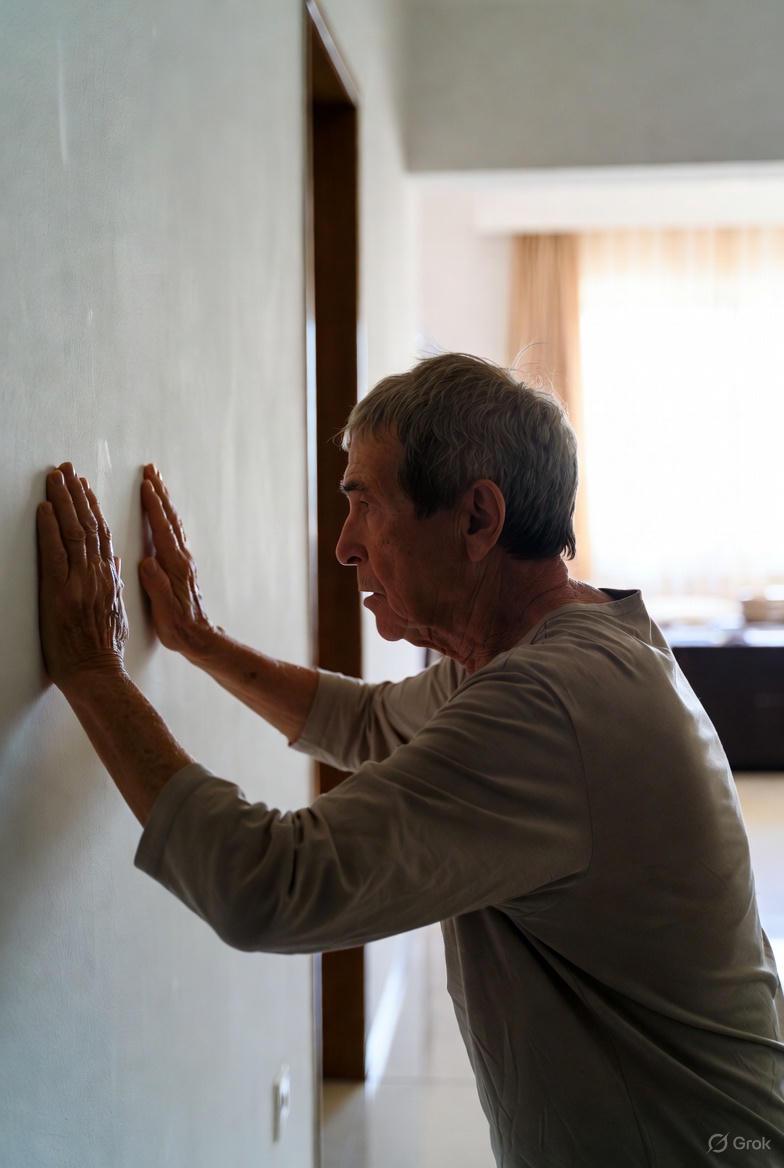
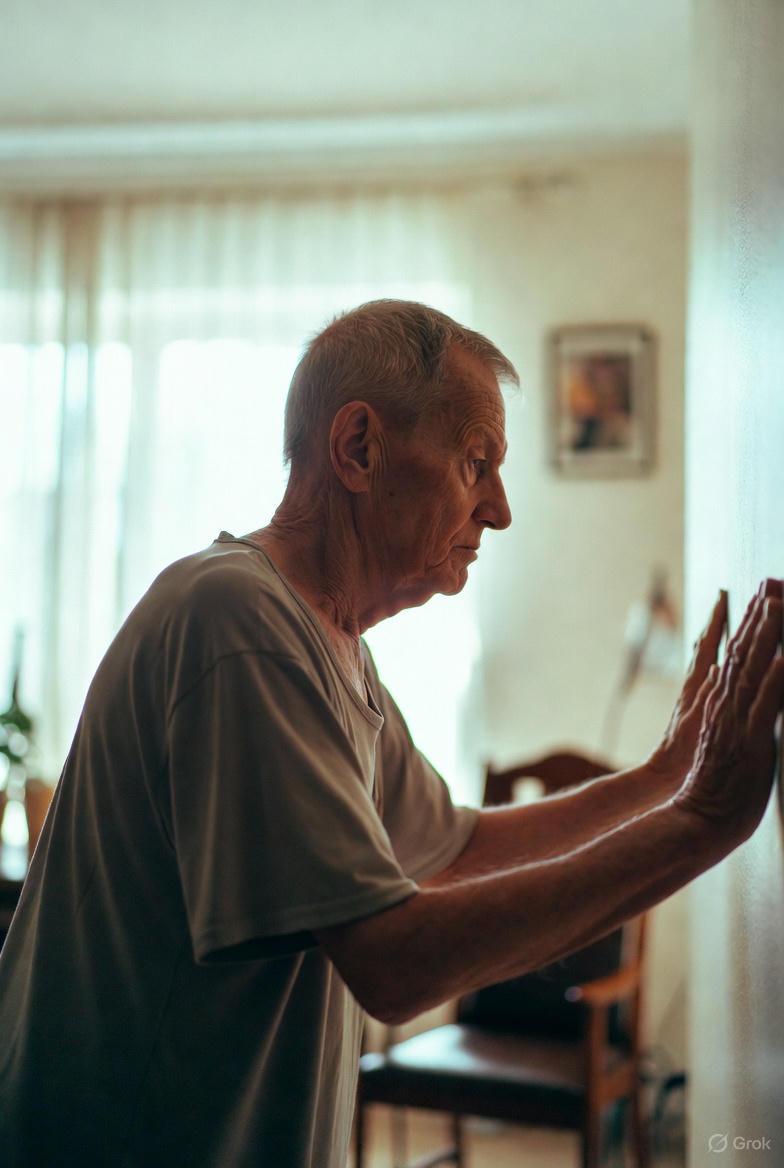
5. Wall Push-Ups: Gentle Upper Body and Core Support
Wall push-ups build pushing strength used in daily activities like getting up from a surface.
Upper body exercises complement lower body work for overall postural support, as noted in aging research.
How to do it:
- Stand arm’s length from a wall, palms at chest height.
- Bend elbows to lean in slowly, hold briefly.
- Push back to start.
- 10–15 repetitions.
Adjust difficulty: Step closer for easier, farther for harder.
Strength Training vs. Walking: What Research Suggests
While walking offers cardiovascular benefits, combining it with strength exercises often yields broader gains in function.
| Health Aspect | Daily Walking Focus | Adding Targeted Strength Moves |
|---|---|---|
| Balance and Stability | Supports endurance | May provide additional postural benefits |
| Lower Body Strength | Moderate leg use | Greater focus on key muscle groups |
| Time Commitment | Often 30+ minutes | Can be 20–25 minutes |
| Functional Tasks (e.g., rising from chair) | Helpful | Often more direct support |
Sources: Reviews from Cochrane, Journal of Aging and Physical Activity, and similar.
Your Quick 20–25 Minute Routine
Try this circuit 3–4 times per week:
- Bird Dog: 8–12 per side
- Chair Squats: 10–15
- Heel Raises: 15–20
- Seated Leg Lifts: 10–15 per leg
- Wall Push-Ups: 10–15
Rest as needed between moves. Start slow and build up.
Frequently Asked Questions
How often should I do these exercises?
3–4 days per week, with rest days in between, allows for recovery while building consistency.
Can I do them if I have joint concerns?
Yes—modify as shown (e.g., partial ranges). Many older adults find these low-impact options comfortable.
Will these replace walking?
No, they’re a great complement. Aim to keep walking while adding strength work for well-rounded benefits.
Final Thoughts
Staying active with simple, evidence-informed exercises can help you feel more confident in your movements as you age. Consistency is key—start with what feels manageable and celebrate small progress.
This information is for educational purposes only and is not a substitute for personalized medical advice. Always consult your doctor or a physical therapist before starting a new exercise program, especially if you have health conditions, balance concerns, or recent injuries. They can tailor recommendations to your needs.


