
Many adults over 40 notice subtle changes in their skin, nails, hair, or energy levels that they often attribute to normal aging or daily stress. These shifts can feel frustrating when lotions, better brushing habits, or rest don’t fully resolve them. What if some of these visible clues simply highlight opportunities to support your body with nutrient-rich foods?
Research from sources like the NIH and Harvard studies shows that certain common signs may link to everyday nutrient gaps, especially as absorption and dietary patterns change with age. Exploring these gently could help you feel more attuned to your body’s needs—and there’s an encouraging way to start that we’ll reveal toward the end.
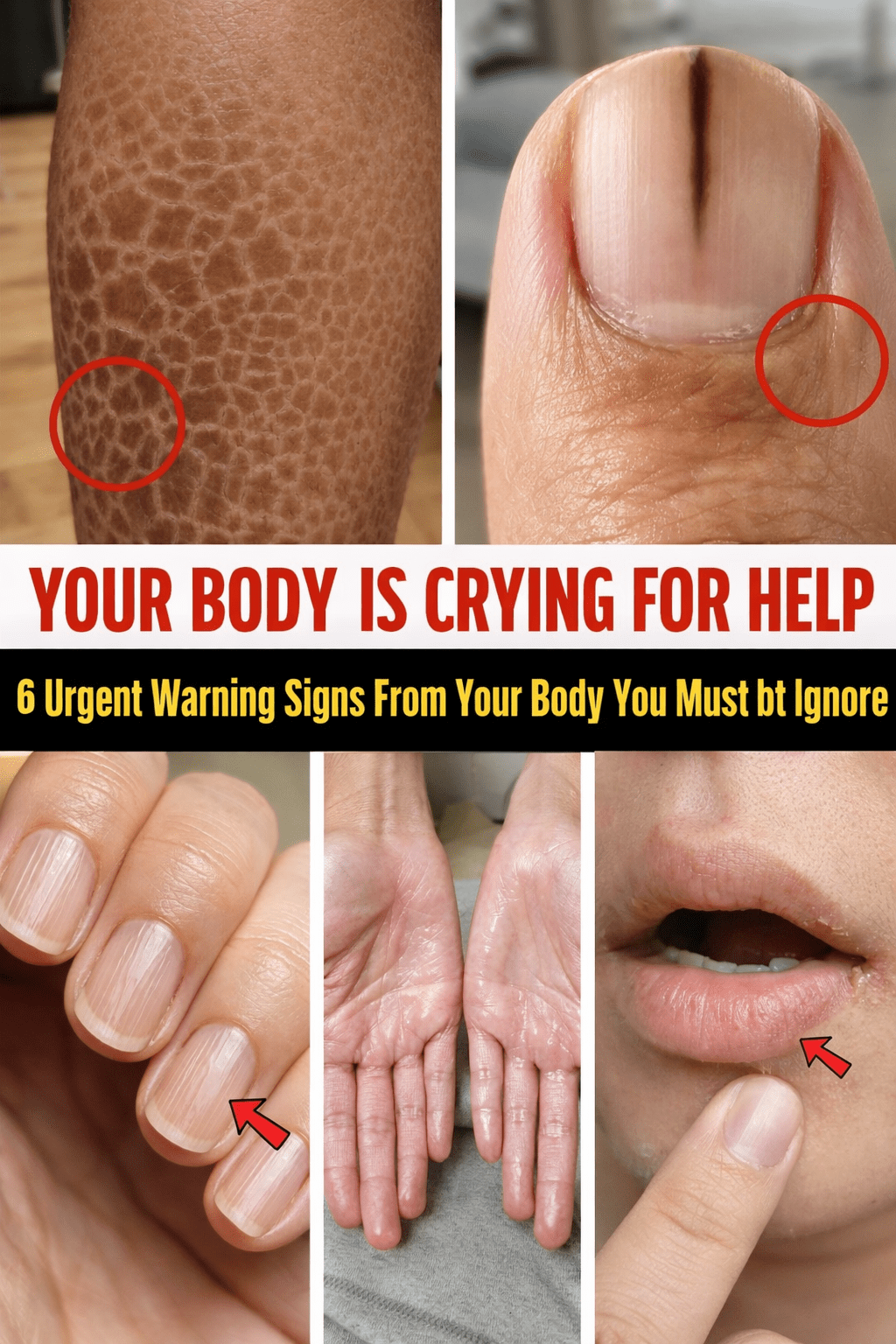
Why These Signs Appear More Often After 40
As we age, factors like slower metabolism, medication use, reduced sun exposure, or shifts in eating habits can make it harder to get or absorb key nutrients. Surveys indicate that many adults in this age group fall short on vitamins like D, C, B12, and minerals such as iron or zinc.
The good news? Many people notice positive shifts by focusing on whole-food sources first. But that’s not all—understanding each sign can empower small, sustainable steps.
Sign #1: Bleeding Gums During Brushing
Seeing a bit of pink in the sink after brushing, even with gentle technique, can be unsettling. Studies, including reviews from the NIH, link this to lower vitamin C intake, as this nutrient supports collagen for healthy gum tissue.
Real-life example: Many find that adding more fresh produce helps gums feel firmer over time.
Simple Ways to Support Vitamin C Intake
- Bell peppers (red or yellow)
- Citrus fruits like oranges
- Strawberries or kiwi
- Broccoli
Aim for colorful variety daily. Research shows consistent sources can promote oral comfort.
Sign #2: Vertical Ridges on Nails
Those raised lines running top to bottom on nails are common with age, but deeper ones may relate to nutrients like iron, B12, or biotin, per dermatology insights.
Nails grow from the matrix, and steady nutrient flow helps keep them smooth.
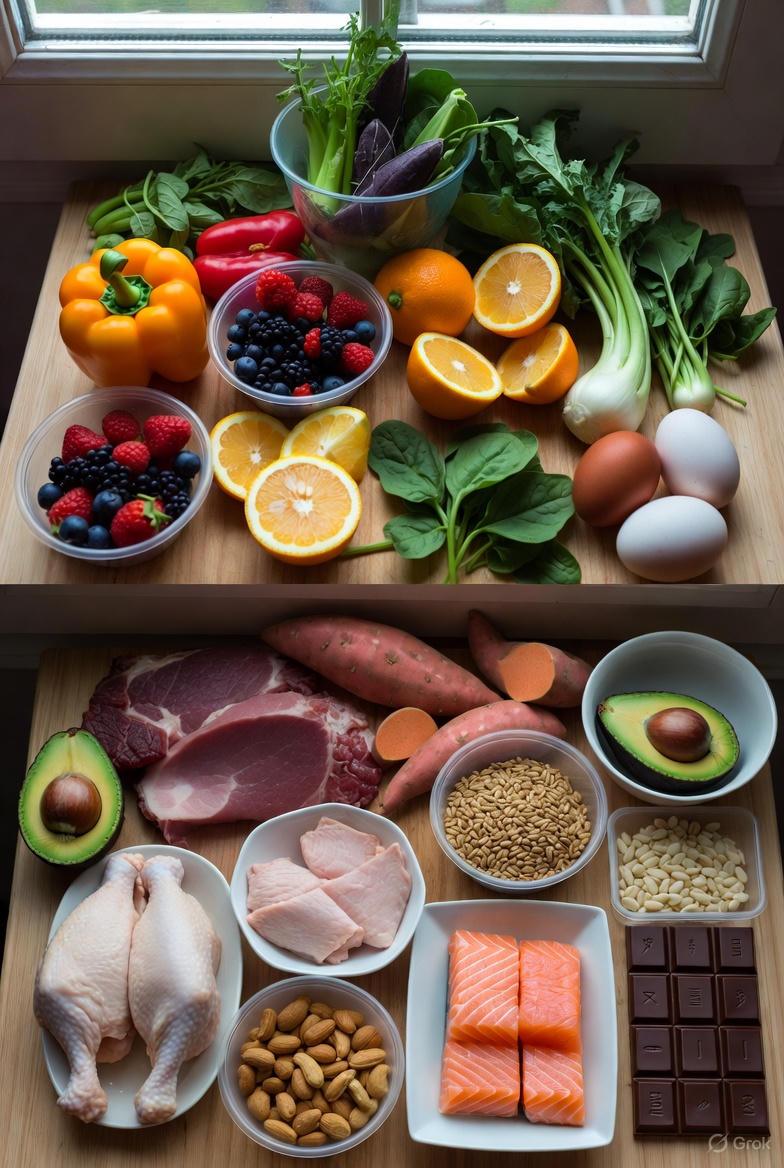
Foods That May Help Nail Texture
- Lean meats or beans for iron
- Eggs or fortified foods for B12
- Nuts like almonds for biotin
Gentle moisturizing and a balanced plate often make a difference.
Sign #3: Persistent Dry, Scaly Skin
When moisturizers provide only temporary relief from rough, flaky patches, it might point to needs for vitamin A or essential fats, which support skin barrier function.
Studies note that fat-soluble vitamins play a role in skin hydration.
Nutrient-Supportive Choices for Skin
- Carrots or sweet potatoes
- Leafy greens
- Avocados or salmon for healthy fats
Including these regularly can nourish from within.
Sign #4: Cracked Corners of the Mouth
Those sore splits at the mouth edges that sting when eating acidic foods? Research ties them to B vitamins (like riboflavin or B6) or iron.
Healing often improves with food adjustments.
Quick Additions to Consider
- Whole grains
- Poultry
- Spinach
Many report faster comfort with these.
Sign #5: Changes in Hair Pigmentation
Noticing more gray strands earlier than expected? While genetics lead, some studies suggest copper or B vitamins influence melanin production.
Supporting overall nutrition may help maintain vitality.
Copper-Rich Options
- Nuts and seeds
- Dark chocolate (in moderation)
- Shellfish
Paired with a varied diet for best results.
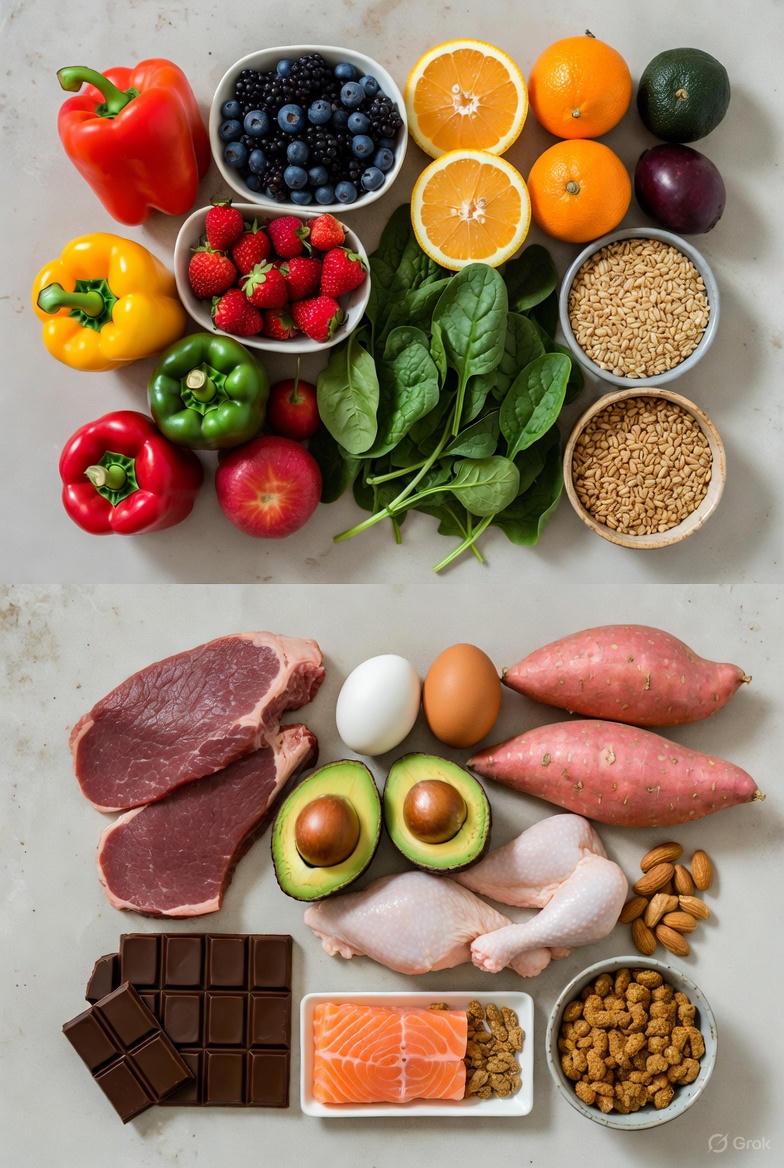
Sign #6: Unusual Sweating Patterns
Excessive sweating without obvious triggers can surprise many. Though not always direct, low vitamin D is common after 40 and linked to various body responses in research.
Safe sun exposure or foods help maintain levels.
Vitamin D Sources
- Fatty fish like salmon
- Fortified milk or orange juice
- Mushrooms
Moderate outdoor time boosts natural production.
Nutrient Links at a Glance
| Sign | Possible Nutrient Connection | Supportive Food Examples |
|---|---|---|
| Bleeding Gums | Vitamin C | Bell peppers, berries, citrus |
| Vertical Nail Ridges | Iron, B12, Biotin | Spinach, eggs, lean meats |
| Dry, Scaly Skin | Vitamin A, Healthy Fats | Sweet potatoes, avocados |
| Cracked Mouth Corners | B Vitamins (Riboflavin, B6), Iron | Whole grains, poultry |
| Hair Pigmentation Changes | Copper, B Vitamins | Nuts, dark chocolate |
| Unusual Sweating | Vitamin D | Salmon, fortified foods |
Practical Steps to Tune In to Your Body
Start small for lasting habits:
- Track one sign for a week—note patterns.
- Add one nutrient-rich food daily.
- Stay hydrated and aim for balanced meals.
- Consider a blood test with your doctor for personalized insights.
Consistency often brings noticeable ease.
Here’s the encouraging part: Many adults over 40 who prioritize colorful, whole foods report feeling more energetic and confident in their skin. It’s about listening and supporting—not perfection.
Frequently Asked Questions
How common are these nutrient gaps after 40?
Quite prevalent—studies show many adults have lower intakes of vitamin D, C, B12, and others due to diet or absorption changes.
Can food alone address these signs?
Often yes for mild cases; severe gaps may need professional guidance.
When should I see a doctor?
If signs persist, worsen, or include fatigue/other concerns—always consult for tailored advice.
This information is for educational purposes only and is not medical advice. Please consult your healthcare provider before making dietary changes or if you have concerns about your health.


