As we age, many people over 60 notice changes in energy levels, joint comfort, and overall vitality. Chronic low-level inflammation and oxidative stress—natural processes that can increase with time—play a role in how we feel day to day. These factors may contribute to common concerns like fatigue or discomfort, making it harder to enjoy active years with family.
The good news is that simple dietary habits can make a meaningful difference. Research suggests certain nutrient-dense foods, like specific seeds and nuts, provide antioxidants, healthy fats, and minerals that help combat oxidative stress and support the body’s natural anti-inflammatory responses. But with so many options, where do you start? Keep reading to discover six underrated choices backed by studies—and a surprising one that stands out for its unique compounds.
Why Seeds and Nuts Matter for Aging Well
Seeds and nuts are packed with plant compounds that act as antioxidants, helping neutralize free radicals that damage cells over time. Studies show regular intake of these foods is linked to lower markers of inflammation and oxidative stress in older adults.
For instance, their healthy monounsaturated fats and polyphenols may support heart health, brain function, and immune balance. Populations with diets rich in these foods often show better long-term wellness outcomes.
The best part? You only need a small handful daily to potentially reap benefits. No drastic changes—just smart additions to meals or snacks.
But that’s not all… certain seeds offer targeted nutrients like zinc for immunity or lignans for cellular protection.
The 6 Seeds and Nuts Worth Adding to Your Routine
Here are six options researchers frequently highlight for their nutrient profiles. We’ll focus on evidence-based insights without overpromising.
1. Pumpkin Seeds: A Zinc Powerhouse for Immune and Prostate Support
Pumpkin seeds stand out for their high zinc content—one ounce provides nearly half the daily needs. Zinc plays a key role in immune function and prostate cell health.
Research, including lab studies, suggests pumpkin seed extracts may inhibit abnormal cell growth in prostate models due to phytosterols and antioxidants. Lightly roasting enhances flavor without destroying nutrients—try at low heat for crunch.
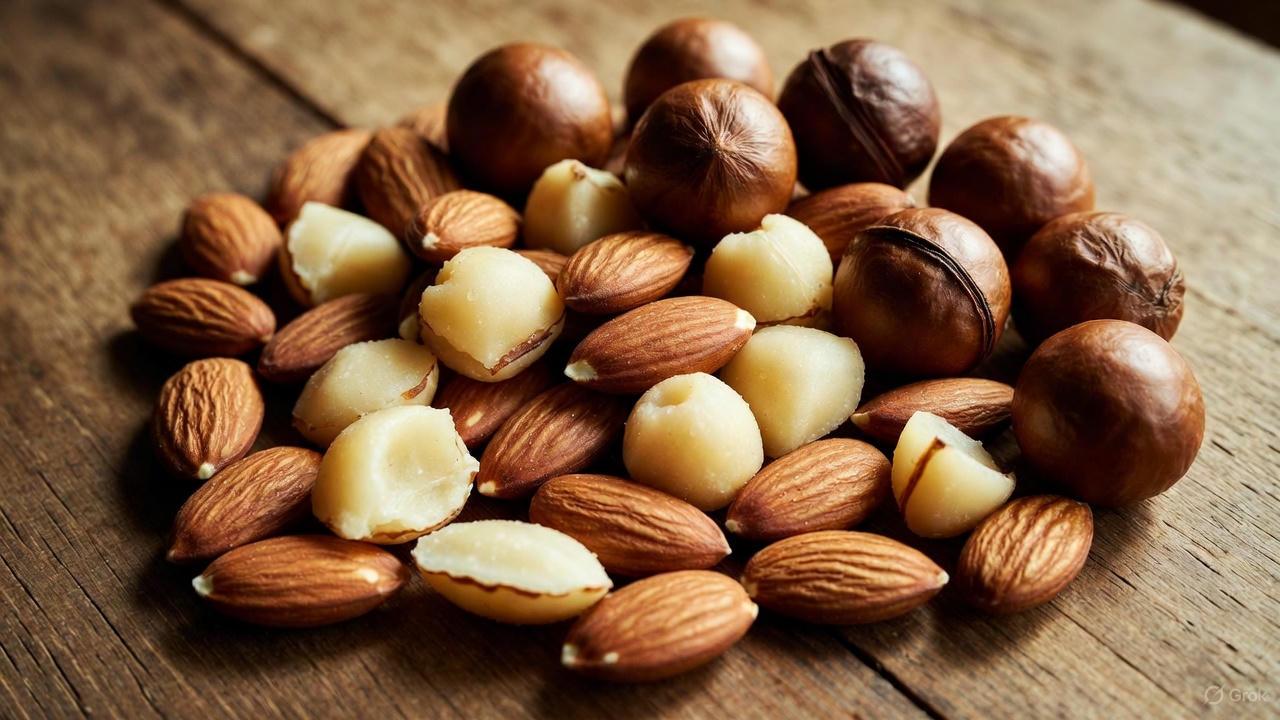
2. Almonds: Rich in Vitamin E for Antioxidant Defense
Almonds lead tree nuts in vitamin E, a fat-soluble antioxidant that protects cells from oxidative damage. A meta-analysis found daily almond intake reduced oxidative stress markers.
Soaking overnight may improve digestibility. Add to breakfast or snacks for sustained energy.
3. Sesame Seeds: Unique Lignans with Lab-Proven Potential
Sesame contains sesamin and sesamolin—lignans studied for slowing cancer cell growth in lab tests on breast and colon lines. They’re also a great calcium and magnesium source for bone health.
Toasting and grinding boosts absorption. Sprinkle on salads or stir-fries.
Here’s a quick comparison of key compounds:
| Seed/Nut | Standout Nutrient/Compound | Potential Benefit Supported by Research |
|---|---|---|
| Pumpkin Seeds | Zinc + Phytosterols | Immune and prostate cell support |
| Almonds | Vitamin E | Reduced oxidative stress markers |
| Sesame Seeds | Sesamin & Sesamolin | Lab anti-proliferative effects |
| Millet | Polyphenols | Anti-inflammatory properties |
| Watermelon Seeds | Lycopene | Prostate health associations |
| Macadamia Nuts | Monounsaturated fats + Tocotrienols | Lower inflammation markers |
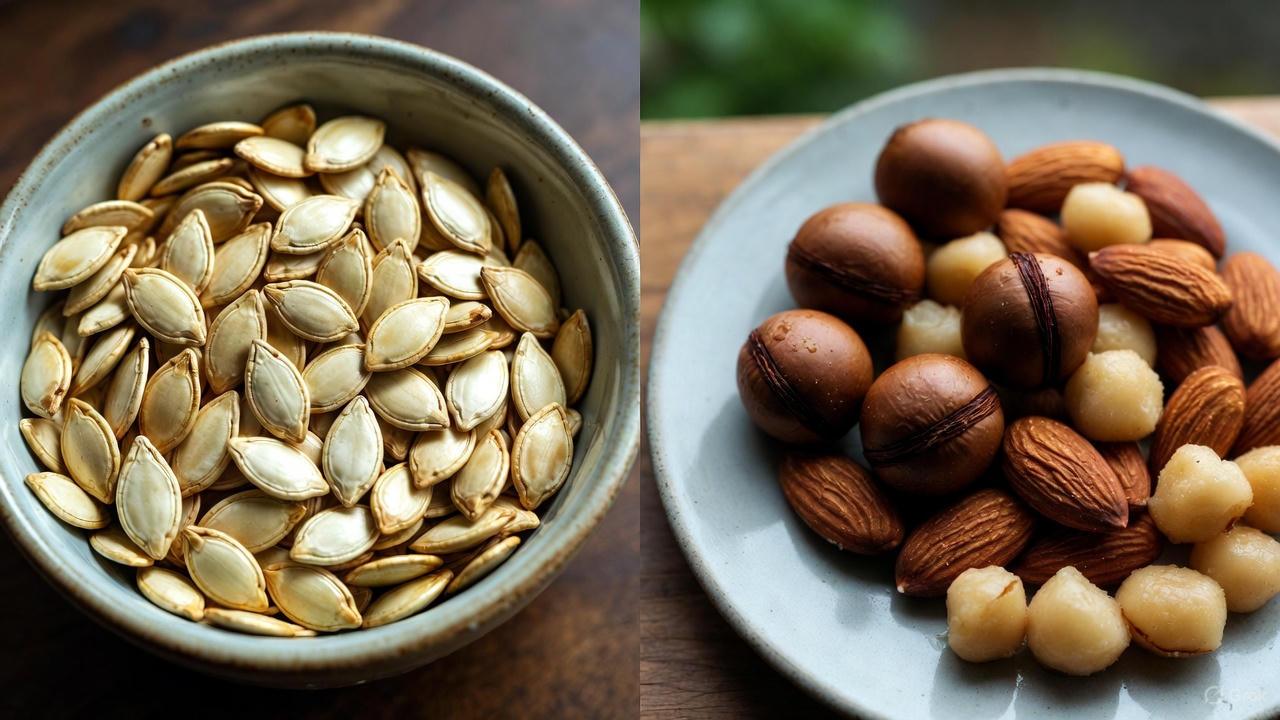
4. Millet: The Ancient Grain Loaded with Polyphenols
Millet, often overlooked, boasts more polyphenols than many trendy superfoods. These compounds help fight chronic inflammation.
Populations consuming millet regularly show lower rates of certain cancers in observational studies. Cook like rice for easy swaps.
5. Watermelon Seeds: Surprisingly High in Lycopene
Don’t discard these—watermelon seeds pack lycopene, often more concentrated than in the flesh. Lycopene links to prostate health in population research.
Soak and lightly roast for a nutty snack.
6. Macadamia Nuts: Standout for Healthy Fats and Calm Inflammation
Macadamias shine with monounsaturated fats similar to olive oil, plus rare palmitoleic acid. Studies note reduced inflammation markers with regular intake.
Their tocotrienols (a vitamin E form) show promise in lab cancer models. Enjoy 8-10 raw or lightly toasted.
This is the part that’s exciting—combining these creates a synergistic mix of antioxidants and fats that may offer broader protection than any one alone.
Easy Ways to Incorporate These Into Your Day
Start small for lasting habits:
- Mix a trail blend: 1 tbsp each pumpkin, sesame, and watermelon seeds + 10 almonds + 8 macadamias.
- Add to oatmeal: Stir in ground sesame and cooked millet.
- Snack smart: Handful mid-afternoon instead of processed options.
- Recipe idea: Roast pumpkin and watermelon seeds with herbs; toss almonds into salads.
Aim for variety—rotate to get diverse nutrients.
- Soak almonds overnight for better absorption.
- Lightly toast sesame for enhanced flavor.
- Cook millet as a rice substitute twice weekly.
- Roast watermelon seeds dry for crunch.
Consistency matters more than perfection.
Frequently Asked Questions
How many seeds or nuts should seniors eat daily?
A small handful (about 1 ounce) provides benefits without excess calories. Adjust based on activity and consult a doctor.
Can these replace medications or supplements?
No—they support a balanced diet. Always discuss changes with your healthcare provider.
Are there any risks for older adults?
Most tolerate well, but chew thoroughly to avoid choking. If allergic or on blood thinners, check with a professional.
Final Thoughts
Incorporating these six seeds and nuts offers a simple, enjoyable way to boost antioxidants and healthy fats. Research points to potential support for reduced inflammation, stronger immunity, and cellular health—helping you feel more vibrant in later years.
Start with one or two favorites tomorrow. Small steps add up.
This article is for informational purposes only and not medical advice. Consult your doctor before dietary changes, especially with conditions or medications.