
Many people love adding ginger to their daily routine for its warm, spicy kick and potential digestive support. But what if this everyday root could sometimes cause more discomfort than comfort? Research shows that while ginger is generally safe in moderate amounts from food, certain health situations call for extra care or even avoidance to prevent unwanted effects like increased bleeding risk or stomach upset.
The good news? Understanding these scenarios helps you enjoy ginger safely. In this guide, we’ll explore six key situations where experts suggest proceeding with caution—based on insights from reliable sources like WebMD, NCCIH, and various studies. Stick around until the end for practical tips on how to incorporate ginger mindfully.
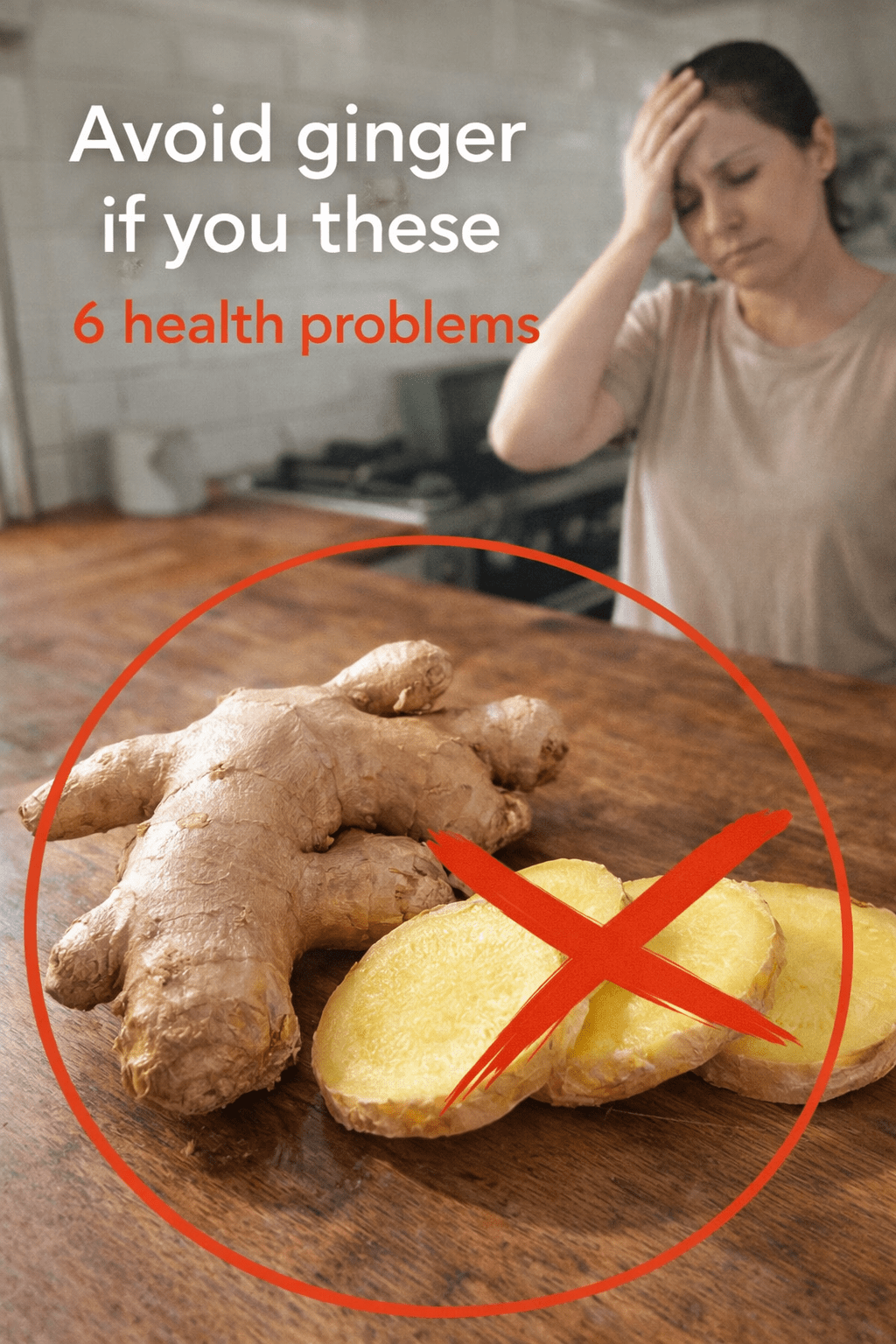
Why Ginger Isn’t Always a “One-Size-Fits-All” Spice
Ginger (Zingiber officinale) contains active compounds like gingerol that give it its signature flavor and potential benefits. Studies indicate these can support digestion and reduce occasional nausea in many people. However, the same properties that make ginger helpful can interact with your body in unexpected ways when you have specific conditions or take certain medications.
But that’s not all… let’s dive into the situations where caution is key.
1. When You Have a Bleeding Disorder or Take Blood-Thinning Medications
Ginger may slow blood clotting, which could increase the chance of bruising or bleeding in some cases. This is especially relevant if you live with a bleeding disorder or use medications like warfarin, aspirin, or other anticoagulants.
Research from sources like WebMD highlights this potential interaction. Many healthcare providers recommend discussing ginger intake with your doctor if you’re on these treatments—small amounts in cooking are often fine, but higher doses (like in supplements) deserve extra attention.
2. Before or After Scheduled Surgery
Because of its possible effect on blood clotting, ginger is often advised to be paused at least two weeks before any planned surgery. This helps reduce the risk of extra bleeding during or after the procedure.
Post-surgery, it’s wise to check back in with your healthcare team before resuming. This simple step, backed by general herbal precaution guidelines, can make a big difference in recovery.
3. If You Have Gallbladder Concerns
Ginger can stimulate bile production, which might not suit everyone—particularly those with gallstones or other gallbladder issues. Some reports suggest this could potentially worsen symptoms in sensitive individuals.
If you experience gallbladder discomfort, it’s best to chat with your doctor about whether ginger fits into your routine safely.
Here are a few quick signs that might prompt a conversation with your healthcare provider:
- Frequent upper abdominal pain after meals
- Bloating or nausea related to fatty foods
- History of gallstones

4. When Managing Blood Sugar with Medications
Ginger may influence blood sugar levels, which could be helpful for some but risky if you’re already taking diabetes medications like insulin or metformin. The combination might lead to levels dropping too low.
Studies note this potential, so regular monitoring becomes important. Always consult your doctor or pharmacist before making changes if diabetes is part of your health picture.
5. During Pregnancy or Breastfeeding (Especially in Larger Amounts)
Many turn to ginger for occasional morning sickness relief, and moderate amounts from food appear generally well-tolerated. However, higher doses or supplements may need careful review—some sources suggest limiting intake and always checking with a healthcare provider first.
For breastfeeding, evidence is limited on larger amounts, so sticking to food-level use is often the safest approach.
6. If You Experience Heart Conditions or Take Related Medications
In some cases, high doses of ginger might affect heart rhythm or blood pressure. This is more of a concern for those with existing heart conditions or on medications like calcium channel blockers.
Experts recommend monitoring and professional guidance here—small culinary amounts are usually not an issue, but it’s smart to stay informed.
Practical Tips: How to Enjoy Ginger More Safely
Ready to use ginger without worry? Here are actionable steps you can try today:
- Start small — Begin with fresh ginger in tea or cooking (about 1-2 grams daily from food sources) and see how your body responds.
- Track your intake — Note any changes in digestion, energy, or other sensations after adding ginger.
- Choose food over supplements — Fresh or dried ginger in meals tends to be gentler than concentrated forms.
- Talk to your doctor — Especially if you take medications or have ongoing health concerns—personalized advice is best.
And here’s a simple daily habit to try: Grate a small piece of fresh ginger into hot water for a soothing tea. Add lemon for extra flavor without overdoing it.

What Happens If You Overdo It?
In general, sticking to moderate amounts (up to about 4 grams daily from food) keeps side effects minimal for most people. But exceeding this regularly might lead to mild issues like heartburn, stomach discomfort, or diarrhea, according to various reviews.
Wrapping It Up: Listen to Your Body and Stay Informed
Ginger can be a wonderful addition to many routines, but awareness of these six situations helps you use it thoughtfully. By starting small, choosing food-based forms, and consulting professionals when needed, you can enjoy its warmth while minimizing risks.
FAQ
Is it safe to drink ginger tea every day? For most healthy adults, yes—in moderation (1-2 cups with fresh ginger). If you have any of the conditions above, check with your doctor first.
Can I use ginger if I’m on blood pressure medication? It depends on your specific meds and health. Some interactions are possible, so discuss with your healthcare provider for tailored guidance.
What’s the difference between fresh ginger and supplements? Fresh ginger in food is usually milder and easier on the body. Supplements are more concentrated, so they carry higher potential for interactions—always read labels and consult a professional.
Disclaimer: This article is for informational purposes only and is not a substitute for professional medical advice. Always consult your healthcare provider before making changes to your diet, especially if you have health conditions or take medications. Individual responses to ginger can vary.


