Many adults over 60 notice their energy dips after meals or feel concerned about blood sugar readings that seem harder to manage with age. These everyday fluctuations can bring fatigue, worry, or a sense of losing control over how the body handles food. The good news is that certain plants commonly found in kitchens or supplements may offer gentle support for maintaining steady energy and healthy glucose levels. Keep reading to discover six well-researched options—and a closer look at one that stands out for many.

Why Blood Sugar Management Can Feel Different After 60
As we age, metabolism naturally slows, and the body may become less efficient at using insulin. Years of stress, dietary patterns, and hormonal changes can add up quietly.
This often leads to feeling tired after eating, brain fog in the afternoon, or anxiety about routine check-ups. Many people try adjusting meals or adding exercise, yet still search for additional ways to feel more balanced.
Research suggests that certain plant compounds can work alongside healthy habits to support the body’s natural processes. Let’s explore six of them.
6. Cinnamon – A Familiar Spice with Promising Benefits
Cinnamon has been used for centuries in cooking and traditional wellness practices. Its active compounds, such as polyphenols, may help slow the breakdown of carbohydrates and support insulin function.
A 2020 meta-analysis published in Clinical Nutrition reviewed multiple studies and found that cinnamon supplementation was associated with lower fasting blood sugar and HbA1c levels in adults with type 2 diabetes.
How to include it easily:
- Add ½ teaspoon of ground Ceylon cinnamon to oatmeal, yogurt, or coffee each morning.
- Steep a cinnamon stick in hot water for a soothing tea.
Ceylon cinnamon is often recommended for regular use because it contains lower levels of coumarin compared to the more common Cassia variety.
5. Gymnema Sylvestre – The Herb Known as “Sugar Destroyer”
In traditional Ayurvedic practice, Gymnema sylvestre earned the name “gurmar” because it temporarily reduces the ability to taste sweetness. Modern interest focuses on its potential to influence glucose absorption.
Studies, including one in the Journal of Clinical Biochemistry and Nutrition, indicate that Gymnema may support healthier fasting glucose levels and insulin response.
Practical ways to try it:
- Take 200–400 mg standardized extract in capsule form daily (with meals).
- Always check with a healthcare provider before starting, especially if taking medications.
4. Aloe Vera – More Than Just Skin Support
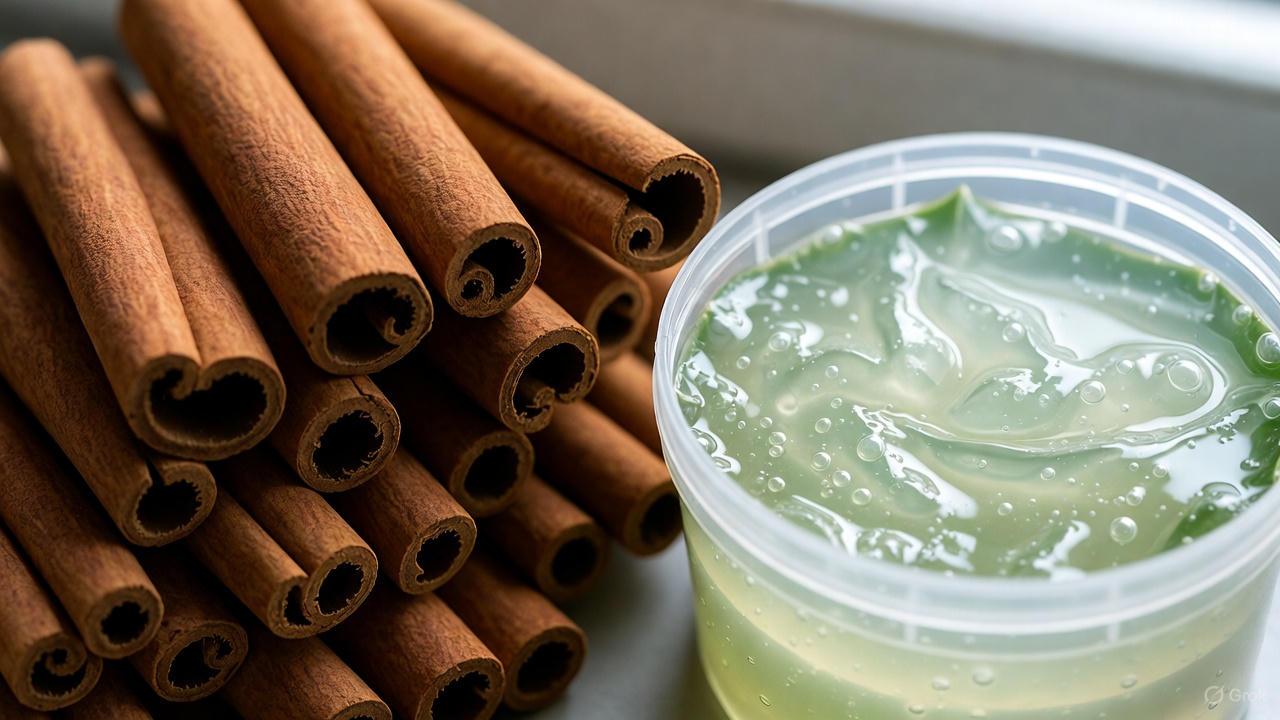
Most people know aloe vera for soothing sunburns, but the clear gel from the inner leaf has attracted attention for metabolic health. Its polysaccharides may help slow sugar absorption in the digestive tract.
A 2016 review in the Journal of Diabetes & Metabolic Disorders noted improvements in fasting blood glucose and insulin resistance markers among participants using aloe vera gel.
Simple incorporation ideas:
- Mix 1–2 teaspoons of pure inner-leaf aloe gel into water or a smoothie 2–3 times per week.
- Choose products labeled “inner leaf” or “decolorized” to avoid the bitter latex layer.
3. Garlic – A Kitchen Staple with Research Backing
Fresh garlic releases allicin when crushed—a sulfur compound linked to antioxidant and metabolic effects. Regular inclusion may support better insulin sensitivity.
A 2017 review in the Journal of Nutrition highlighted trials where garlic supplementation was associated with reduced fasting blood sugar.
Easy ways to add it:
- Crush or chop 1 raw clove, let it sit 10 minutes to maximize allicin, then add to salads, soups, or cooked dishes 3–5 times per week.
- Roasting whole bulbs creates a milder, spreadable option.
2. Bitter Melon – A Traditional Vegetable with Unique Compounds
Bitter melon (also called bitter gourd) contains polypeptide-p and charantin, plant insulin-like substances. It’s widely used in Asian cuisines and herbal traditions.
A 2019 meta-analysis in Nutrition & Diabetes examined several trials and found bitter melon associated with meaningful reductions in fasting glucose.
Getting started:
- Slice and stir-fry with other vegetables.
- Brew sliced fruit as tea (start with small amounts to adjust to the bitter taste).
- Fresh or dried forms are available in many markets.
Here’s the part many readers find most interesting…
1. Berberine – The Plant Compound Gaining Attention
Berberine is a bright yellow alkaloid found in plants like barberry, goldenseal, and Oregon grape. It activates an enzyme called AMPK, often described as a metabolic master switch.
Multiple clinical trials, including a comprehensive 2019 review in Frontiers in Pharmacology, suggest berberine can support glucose uptake and insulin sensitivity with effects comparable to certain prescription medications—yet generally well-tolerated.
Common usage guidelines:
- Typical dose is 500 mg, 2–3 times daily with meals.
- Start with a lower amount and consult a doctor, especially if on blood-sugar-lowering medications.
Quick Comparison of the Six Plants
| Plant | Key Compound/Mechanism | Ease of Daily Use | Suggested Frequency |
|---|---|---|---|
| Cinnamon | Polyphenols – slows carb breakdown | Very high | Daily |
| Gymnema Sylvestre | Gymnemic acids – influences sugar taste | Medium (capsules) | Daily |
| Aloe Vera | Polysaccharides – digestive support | High | 2–3 times per week |
| Garlic | Allicin – antioxidant effects | Very high | 3–5 times per week |
| Bitter Melon | Polypeptide-p, charantin | Medium | 3–4 times per week |
| Berberine | Activates AMPK pathway | Medium (capsules) | Daily with meals |
Simple Tips to Maximize Support
Small, consistent habits often make the biggest difference:
- Take a 10–15 minute walk after meals to encourage glucose uptake into muscles.
- Pair plant additions with fiber-rich foods like vegetables, oats, or beans.
- Stay hydrated—water helps every metabolic process run smoothly.
- Keep a simple journal of how you feel and what you’ve tried to notice patterns.
Imagine Feeling More Steady in 90 Days
Picture enjoying family meals without the post-dinner slump, waking with consistent energy, and feeling more confident about your routine check-ups. These plants won’t replace medical advice or healthy eating, but many adults find gentle, natural additions helpful alongside lifestyle habits.
Start with one that appeals most—perhaps the familiar warmth of cinnamon in your morning coffee.
Frequently Asked Questions
Can these plants replace my prescribed medications?
No. They are not substitutes for any treatment plan. Always discuss changes with your healthcare provider.
How long before noticing any difference?
Individual responses vary. Some people report feeling steadier energy within weeks when combined with healthy habits, but results are not guaranteed.
Are there any interactions to watch for?
Yes—especially with berberine, Gymnema, or bitter melon, which may enhance the effects of blood-sugar-lowering medications. Professional guidance is essential.
Disclaimer: This article is for informational purposes only and is not medical advice. The information presented has not been evaluated by the Food and Drug Administration. These plants are not intended to diagnose, treat, cure, or prevent any disease. Always consult your healthcare provider before adding new supplements or making significant dietary changes, particularly if you have existing health conditions or take medications.