
As we grow older, our bodies face new challenges in staying vibrant and resilient against everyday stresses. Factors like changing metabolism, environmental influences, and routine habits can make it harder to feel our best each day. Fortunately, small dietary adjustments, such as adding nutrient-dense foods, can play a supportive role in promoting overall health and vitality. Imagine discovering simple, everyday seeds that might just become your new go-to for natural wellness support—but wait, there’s one unique combination tip at the end that could change how you approach your meals.

Why Seeds Are a Smart Choice for Daily Nutrition
Seeds are tiny powerhouses of nutrition, packed with essential vitamins, minerals, and healthy fats that our bodies appreciate more as we age. Research from organizations like the Harvard School of Public Health suggests that diets rich in plant-based foods, including seeds, contribute to better long-term health outcomes. But that’s not all—these little gems are versatile, easy to store, and can fit seamlessly into any meal.
Think about it: unlike processed snacks, seeds offer a natural crunch and flavor that keeps things interesting. Studies published in the Journal of Nutrition highlight how regular intake of certain seeds may support various aspects of wellness due to their antioxidant properties and fiber content. Ready to dive in? Let’s explore each one step by step.
1. Flaxseeds: A Fiber-Filled Foundation
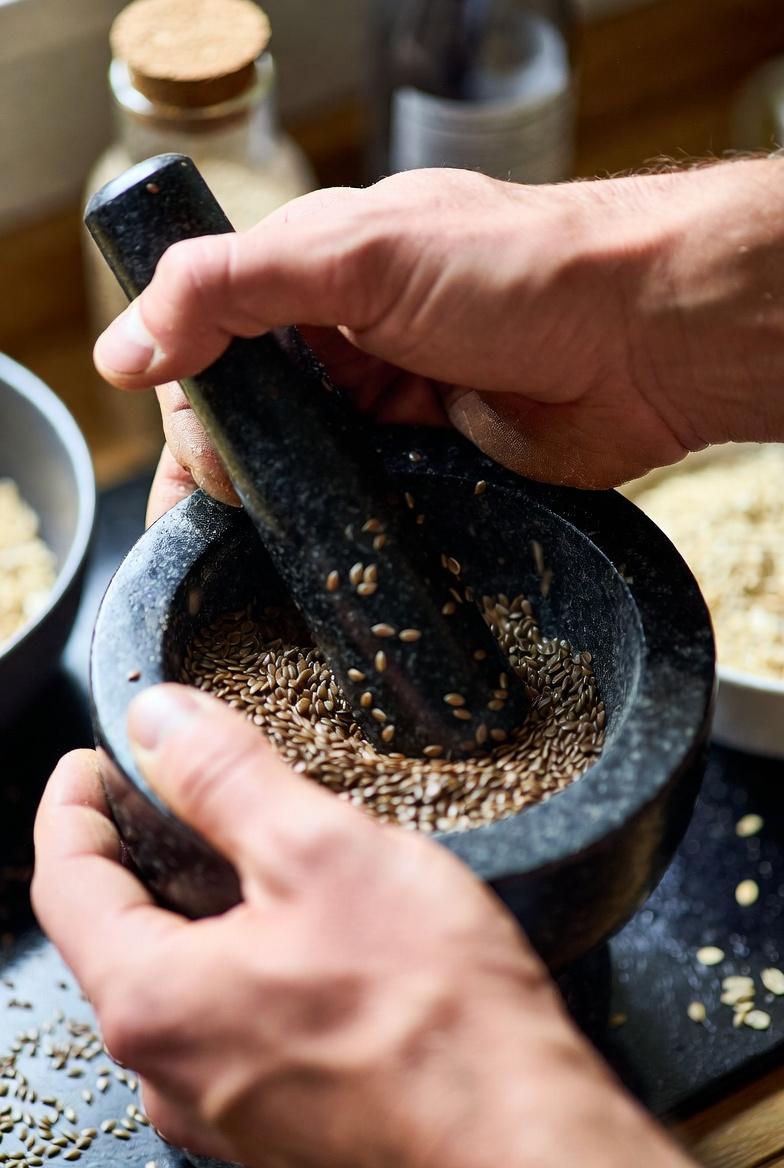
Flaxseeds, also known as linseeds, come from the flax plant and have been used in traditional diets for centuries. They’re small, brown or golden, and boast a nutty taste that’s mild enough for beginners.
Key Nutritional Highlights
What makes flaxseeds stand out? They’re loaded with omega-3 fatty acids, lignans, and soluble fiber. According to the National Institutes of Health, these components are linked to supporting heart health and digestive regularity—important for older adults who might experience slower metabolism.
How to Add Them to Your Day
Start simple: Grind a tablespoon into your morning oatmeal or smoothie. This helps with absorption, as whole seeds can pass through undigested. For a quick snack, mix them into yogurt with fresh berries. Here’s a step-by-step tip:
- Measure one tablespoon of whole flaxseeds.
- Use a coffee grinder to make them into meal.
- Stir into salads or baked goods for an effortless boost.
But here’s the interesting part: flaxseeds can also act as an egg substitute in recipes, making them ideal for plant-based baking.
2. Chia Seeds: The Hydration Helpers
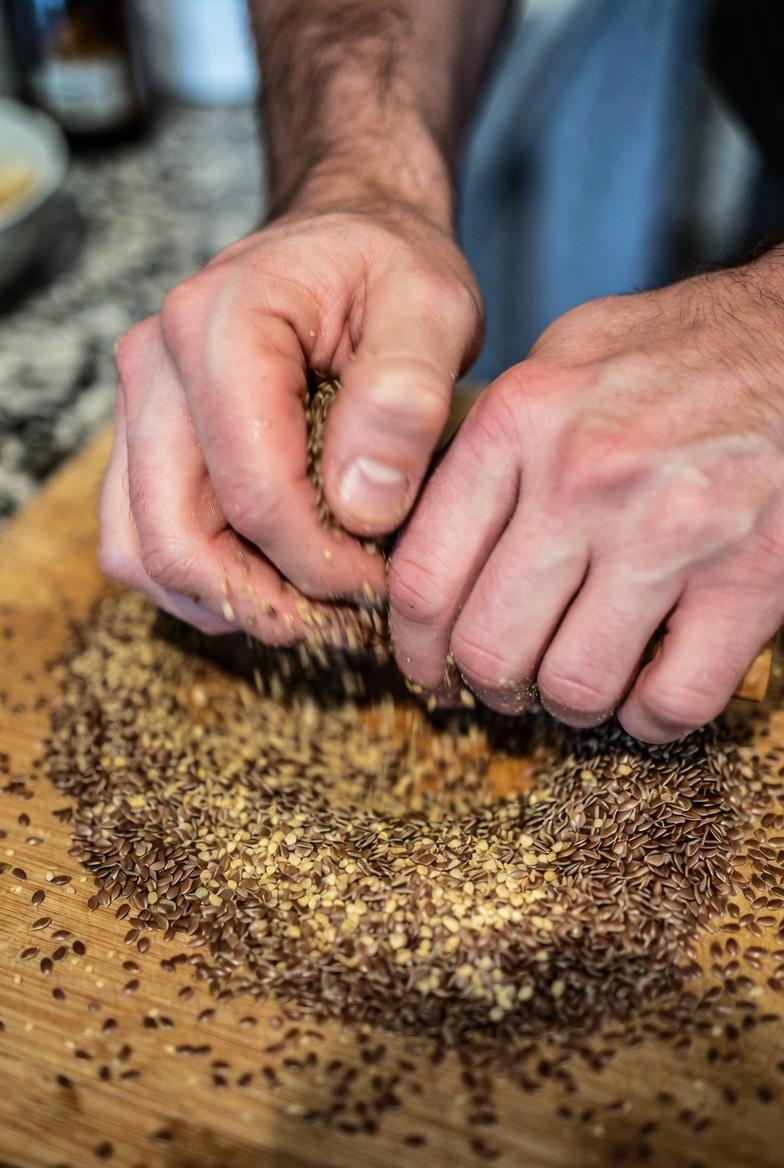
Originating from Central America, chia seeds are black or white specks that expand when soaked, creating a gel-like texture. They’re famous in health circles for their ability to keep you feeling full longer.
Potential Benefits for Daily Wellness
Chia seeds are rich in antioxidants, protein, and calcium, which research from the American Journal of Clinical Nutrition associates with bone health maintenance—especially relevant as we age. Their high fiber content also aids in steady energy levels throughout the day.
Practical Ways to Enjoy Them
No cooking required! Soak two tablespoons in water or almond milk overnight for a pudding. Add to juices or soups for thickness. Try this easy routine:
- Combine chia with your favorite fruit in a jar.
- Let it sit for 15 minutes.
- Enjoy as a mid-morning treat.
Sustainability note: Chia plants are water-efficient, making them an eco-friendly choice. And speaking of choices, let’s move to the next seed that packs a surprising punch.
3. Pumpkin Seeds: Mineral-Rich Munchies
Pumpkin seeds, or pepitas, are the edible kernels from pumpkins, often roasted for a savory snack. They’re green inside with a chewy texture that adds variety to meals.
What They Bring to the Table
These seeds are a great source of magnesium, zinc, and iron. The World Health Organization notes that adequate mineral intake supports immune function and energy metabolism, which can decline with age. Plus, their healthy fats promote satiety.
Incorporation Ideas
Roast them lightly with a dash of sea salt for trail mix. Sprinkle over soups or veggies. For actionable steps:
- Preheat your oven to 350°F.
- Toss seeds with a bit of olive oil.
- Bake for 10-15 minutes until golden.
Fun fact: They’re versatile in both sweet and savory dishes. But wait, there’s more—the next seed might remind you of childhood favorites.
4. Sunflower Seeds: Sunny and Satisfying
Sunflower seeds come from the iconic flower and are available shelled or unshelled. They have a mild, buttery flavor that’s addictive in moderation.
Nutritional Value Overview
Packed with vitamin E, selenium, and folate, these seeds are highlighted in studies from the Journal of Agricultural and Food Chemistry for their role in cellular protection through antioxidants. This can be beneficial for maintaining skin and overall vitality.
Daily Usage Tips
Eat them straight from the bag as a snack, or blend into pesto. Here’s a simple guide:
- Add a handful to your salad for crunch.
- Mix into bread dough before baking.
- Use in homemade energy bars.
Transitioning smoothly: If you love Asian cuisine, the following seed will feel familiar.
5. Sesame Seeds: Flavorful and Fortifying
Sesame seeds are tiny white or black beads used worldwide, especially in tahini and as toppings. They impart a toasty, nutty essence.
Insights on Their Composition
Rich in copper, manganese, and healthy oils, research from the European Journal of Nutrition connects them to supporting joint health and cholesterol balance. Their lignans similar to flaxseeds add another layer of interest.
How to Integrate Them
Toast briefly to enhance flavor, then sprinkle on stir-fries or rice. Step-by-step:
- Heat a pan over medium.
- Add seeds and stir for 2-3 minutes.
- Cool and store for weekly use.
And now, the final seed that ties it all together.
6. Hemp Seeds: The Complete Protein Source
Hemp seeds, from the cannabis plant (but non-psychoactive), are soft and creamy with a subtle earthiness.
Why They’re Worth Trying
They provide all nine essential amino acids, making them a rare plant-based complete protein. The Canadian Journal of Physiology and Pharmacology discusses their omega balance for inflammation support, aiding general wellness.
Easy Addition Methods
Blend into smoothies or sprinkle on avocado toast. Quick tips:
- Start with one tablespoon per serving.
- Combine with fruits for a balanced shake.
- Experiment in dressings.
Comparing the Nutritional Profiles
To help you choose, here’s a simple table summarizing key nutrients per 1-ounce serving (approximate values based on USDA data):
| Seed | Calories | Protein (g) | Fiber (g) | Key Nutrients |
|---|---|---|---|---|
| Flaxseeds | 150 | 5 | 8 | Omega-3s, Lignans |
| Chia Seeds | 140 | 5 | 10 | Calcium, Antioxidants |
| Pumpkin Seeds | 125 | 7 | 2 | Magnesium, Zinc |
| Sunflower Seeds | 165 | 6 | 3 | Vitamin E, Selenium |
| Sesame Seeds | 160 | 5 | 3 | Copper, Manganese |
| Hemp Seeds | 160 | 9 | 1 | Complete Protein, Omegas |
This breakdown shows how mixing them can create a well-rounded nutrient intake. But that’s not the end—remember that combination tip?
Creative Ways to Combine These Seeds
Mix all six into a custom trail mix or seed butter. For example, blend equal parts in a food processor for a spreadable treat. Studies suggest variety in plant foods enhances overall benefits. Here’s the surprising tip: Create a “daily seed sprinkle” by toasting a batch weekly and using it as a topping— this not only saves time but amplifies flavors through synergy.
Wrapping It Up: Start Small for Big Changes
Incorporating these seeds into your routine can be a gentle way to support your wellness journey as you age. Begin with one or two, listen to your body, and build from there. Small habits often lead to lasting improvements.
Frequently Asked Questions
What if I’m allergic to nuts—can I still eat these seeds?
Most seeds aren’t true nuts, but check labels and consult a professional if you have sensitivities. Alternatives like sunflower or pumpkin might work.
How many seeds should I eat daily?
Aim for 1-2 tablespoons total, spread across meals, to avoid digestive discomfort. Adjust based on your needs.
Are organic seeds better?
Organic options reduce pesticide exposure, but conventional ones are still nutritious. Choose what fits your budget.
Always consult with a healthcare provider before making significant dietary changes, as this information is for educational purposes only and not intended as medical advice.


