As we age, many people notice changes in energy levels and become more aware of health risks that come with time. Over 59% of new cancer diagnoses in the US occur in adults aged 65 and older, according to recent estimates from the American Cancer Society. These shifts can feel concerning, especially when combined with factors like inflammation or oxidative stress that naturally increase over the years. The good news? Simple dietary habits, like adding certain seeds and nuts to your routine, may help support overall wellness and cellular health.
Research, including large prospective studies and reviews, suggests that regular consumption of nuts and seeds is associated with lower risks of certain health issues, thanks to their nutrients like healthy fats, fiber, antioxidants, and minerals. But here’s the intriguing part: we’ll explore six standout options with emerging evidence for supportive roles—and share practical ways to include them so you can decide if they’re right for you.
Why Seeds and Nuts Merit Attention After 50
Turning 50 often brings a heightened focus on long-term health. Projections for 2025 estimate over 2 million new cancer cases in the US, with the majority affecting older adults. Everyday factors like oxidative stress and inflammation play a role in cellular changes, and supporting your body’s natural balance becomes key.
Studies show that nuts and seeds provide unsaturated fats, vitamin E, fiber, and plant compounds that may help combat oxidative stress and promote healthy inflammation responses. For instance, meta-analyses of prospective cohorts link higher intake (about 28g daily) to reduced overall mortality and supportive effects on cellular health.
But that’s not all—rotating a variety of these foods could offer diverse benefits. Ready to dive in?
Seed #1: Pumpkin Seeds – Rich in Zinc for Immune and Prostate Support
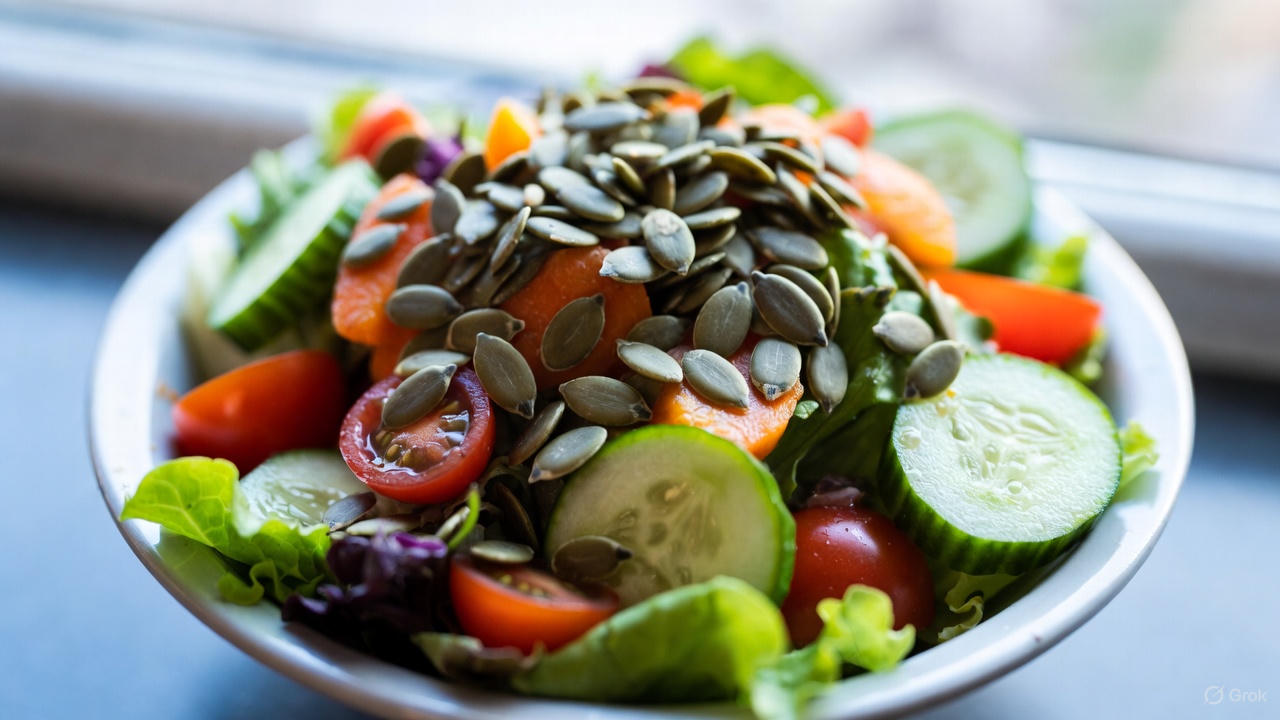
Pumpkin seeds stand out for their zinc content, an essential mineral that supports immune function and prostate health in men.
Reviews indicate zinc plays a role in maintaining healthy prostate tissue, while phytosterols in pumpkin seeds may help reduce inflammation. Lab and observational studies suggest potential benefits for urinary comfort and cellular protection.
Easy ways to add them:
- Sprinkle 30g (about a handful) on salads or yogurt.
- Blend into smoothies for a nutty boost.
- Pair with citrus foods to enhance zinc absorption.
Many find a small daily amount fits seamlessly into routines.
Seed #2: Sesame Seeds – Packed with Unique Antioxidants
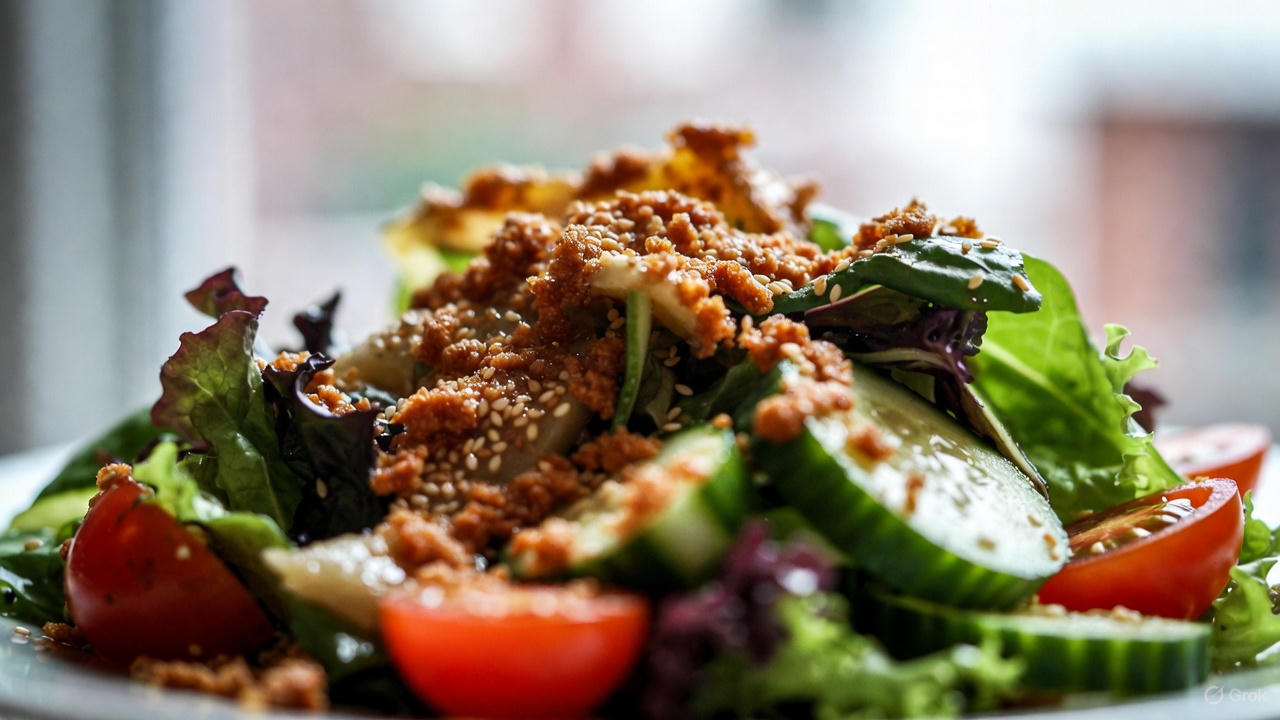
These tiny seeds contain sesamin and sesamolin, lignans studied for their antioxidant properties.
Cell-based research shows these compounds may inhibit inflammatory pathways and support natural cell processes. Reviews highlight potential anti-inflammatory effects relevant to overall wellness.
Tips for enjoyment:
- Use 10-20g daily in tahini dressings or sprinkled on veggies.
- Lightly toast for better flavor (keep heat low to preserve nutrients).
Rotating sesame with others maximizes variety.
Seed #3: Almonds – A Source of Vitamin E for Antioxidant Support
Almonds provide high levels of vitamin E, a fat-soluble antioxidant.
Prospective studies associate higher vitamin E intake with supportive effects on cellular calm and reduced oxidative stress. Polyphenols in almonds may aid healthy cell turnover.
Practical ideas:
- Soak 20-30 overnight for easier digestion and creamier texture.
- Enjoy as a snack or chopped on oatmeal.
Soaking reduces phytic acid, improving nutrient absorption.
Seed #4: Watermelon Seeds – Containing Lycopene for Oxidative Balance
Often overlooked, watermelon seeds offer concentrated lycopene, a potent antioxidant.
Research links lycopene to reduced oxidative stress, with potential DNA-protective effects. It’s more bioavailable in some forms than from tomatoes.
How to incorporate:
- Roast 15-20g unsalted for a crunchy snack.
- Grind into powder for smoothies.
A refreshing summer option with year-round potential.
Seed #5: Macadamia Nuts – Buttery Fats for Inflammation Support
Macadamias are rich in monounsaturated fats and manganese.
Broader nut studies show inverse associations with inflammation markers, supporting cell stability. Manganese aids antioxidant enzymes.
Suggestions:
- A small handful daily as a satisfying treat.
- Add to trail mixes for sustained energy.
Their creamy texture makes them indulgent yet supportive.
Seed #6: Millet – An Ancient Grain Seed with Polyphenols
Millet, technically a seed, boasts polyphenols with intriguing properties.
Animal and cell studies suggest these compounds may neutralize free radicals and support cell repair. Reviews note potential for lowering oxidative risks.
Simple uses:
- Cook 2-3 tablespoons as a rice substitute.
- Add to soups or salads for texture.
An underrated whole-food option.
Quick Comparison of These 6 Options
| Seed/Nut | Key Nutrients | Potential Supportive Role | Suggested Daily Amount |
|---|---|---|---|
| Pumpkin Seeds | Zinc, Phytosterols | Immune and prostate health | 30g |
| Sesame Seeds | Sesamin, Sesamolin | Antioxidant and anti-inflammatory | 10-20g |
| Almonds | Vitamin E, Polyphenols | Cellular antioxidant shield | 20-30g |
| Watermelon Seeds | Lycopene | Oxidative defense | 15-20g |
| Macadamia Nuts | Monounsaturated fats, Manganese | Inflammation control and cell stability | Handful |
| Millet | Polyphenols | Free radical support | 2-3 Tbsp cooked |
Tips to Maximize Benefits
- Soak overnight to improve digestibility.
- Roast lightly at low heat.
- Grind for better absorption in smoothies.
- Rotate varieties weekly for broader nutrients.
- Combine with vitamin C-rich foods for synergy.
Consistency matters most—start with one or two favorites.
Common concerns and seed/nut approaches:
- Low energy: Sustained release from fats and fiber.
- Inflammation: Natural antioxidants.
- Health worries: Daily whole-food support alongside lifestyle habits.
Getting Started: Small Steps for Long-Term Wellness
Imagine incorporating one new seed this week—perhaps pumpkin in your salad. Over time, these additions may contribute to feeling more resilient.
Research supports nuts and seeds as part of a balanced diet for overall health, but they’re most effective with movement, sleep, and regular checkups.
Frequently Asked Questions
1. How much should I eat daily?
Aim for a handful (about 28g) total nuts/seeds, rotating types. Start small to avoid digestive upset.
2. Are there risks for allergies?
Yes, nut/seed allergies affect 1-2% of adults. If allergic, avoid and consult a doctor.
3. Can these replace medical advice?
No—they support a healthy lifestyle but aren’t treatments. Always discuss changes with your healthcare provider.
This article is for informational purposes only and is not intended to diagnose, treat, cure, or prevent any disease. Consult your healthcare provider for personalized advice.